

The Amazon Return Trap: Why Americans Keep Buying Things They Never Really Wanted
You find a jacket online that looks perfect. The price seems reasonable, the photos look impressive, and the reviews are encouraging. You order it without thinking too much because, if it does not fit, you can always return it, that's the beginning of the trap
Then you find another jacket. You order that one too.
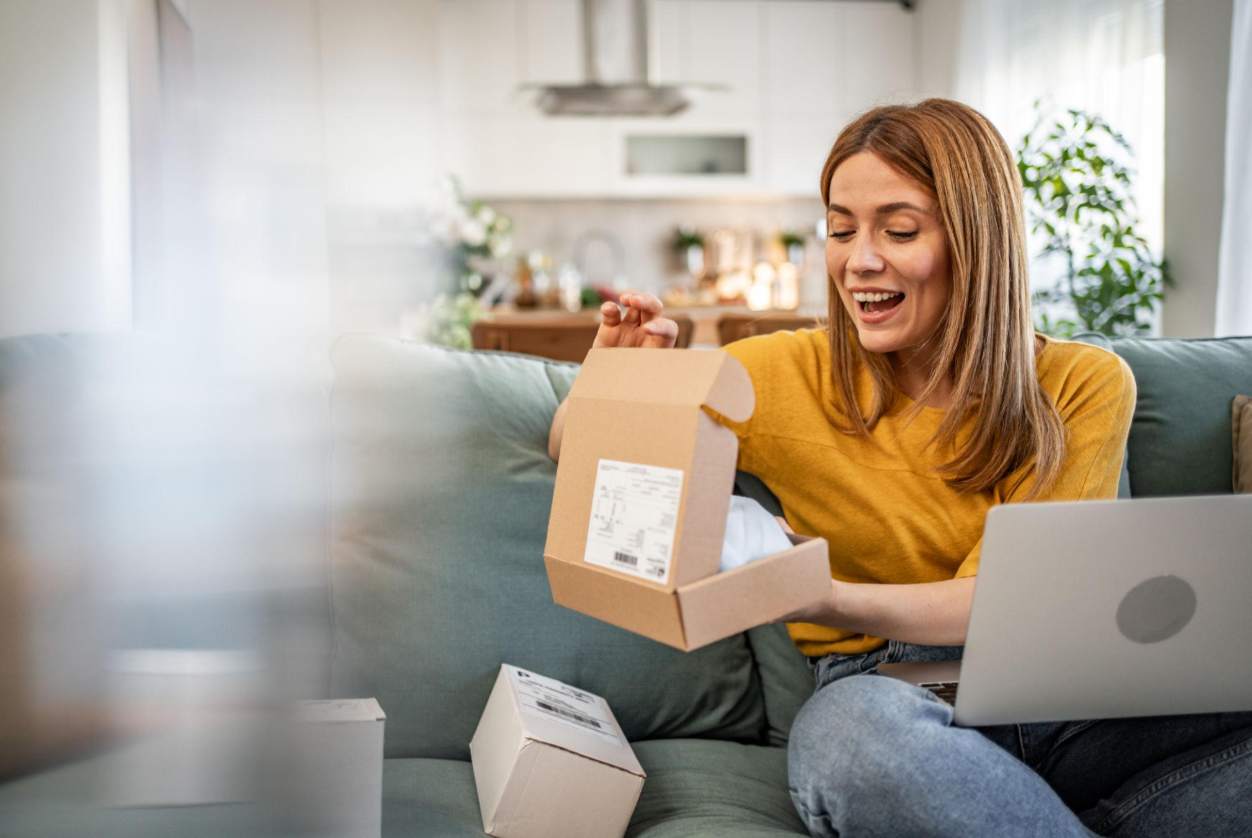
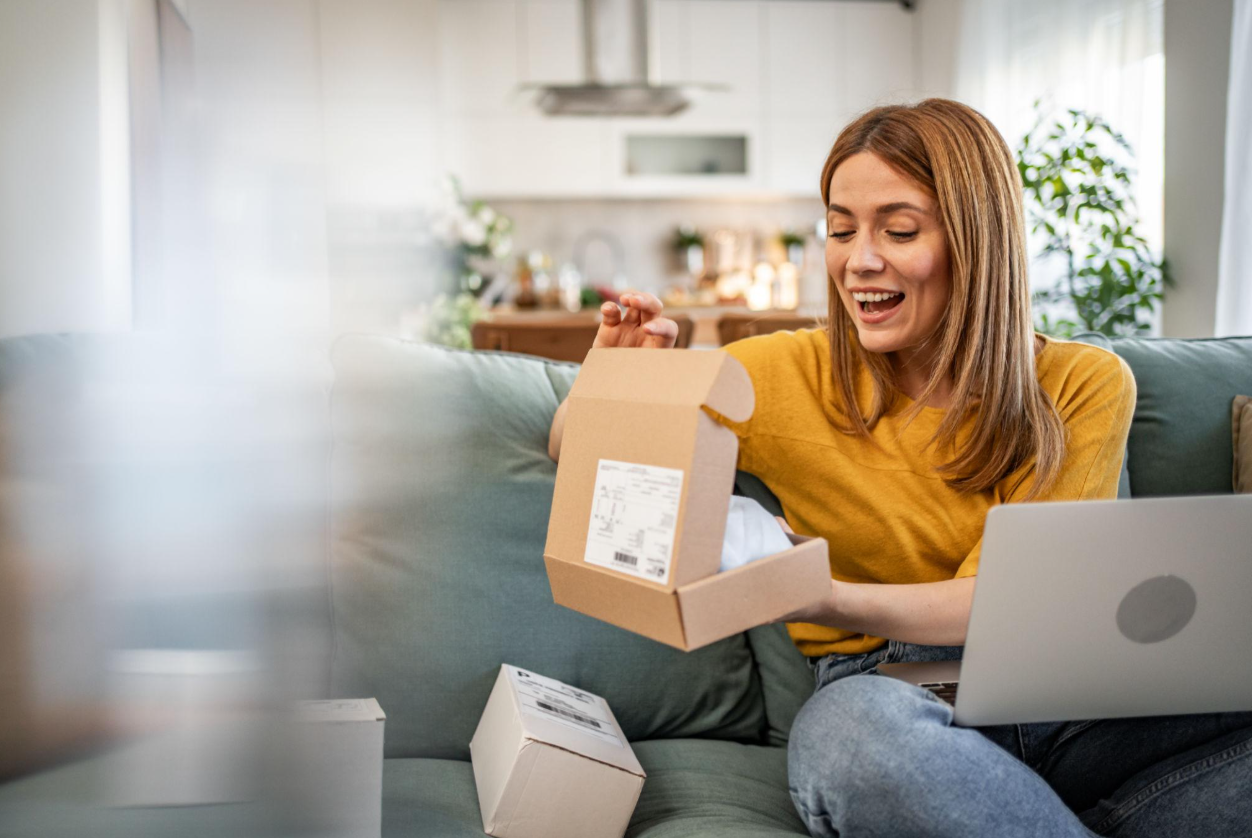
A few days later, both packages arrive. One looks different from the pictures, the other does not fit quite right, and neither feels as exciting as it did when you clicked the purchase button. You start a return, put the packages aside, and tell yourself you will deal with them later.
Meanwhile, you have already bought something else.
This is the online shopping return trap: the cycle in which easy returns make purchasing feel so low-risk that people buy more than they actually want or need.
For many Americans, the convenience of online shopping is genuinely valuable. Being able to compare products, order from home, and return unsuitable items can save time and reduce the risk of a disappointing purchase. But the same convenience can also change how people make buying decisions.
When shoppers believe they can simply send something back, they may stop asking whether they should buy it in the first place.
The result can be unnecessary spending, delayed refunds, unused purchases, and a growing pile of packages that need to be returned. Even when a return eventually results in a refund, the shopping process can still consume time and attention—and sometimes leave the customer with costs that are not refunded.
In 2026, the important question is not whether online returns are good or bad. It is whether the convenience of returning purchases is encouraging people to make purchases they would otherwise avoid.
1. Why Free Returns Make Shopping Feel Risk-Free
Online shopping has removed many of the barriers that once slowed down purchasing decisions.
You do not need to travel to a store, wait in line, or carry shopping bags home. You can compare products, read reviews, and complete an order in minutes. If the item is eligible for a return, you may also feel reassured that you have an escape route if something goes wrong.
That reassurance can be useful. Clothing sizes vary, product photographs can be misleading, and electronics may not perform as expected. A reasonable return policy gives customers confidence when they cannot physically inspect an item before buying it.
But there is a difference between using returns as protection and treating them as permission to buy whatever catches your attention.
Imagine two shoppers considering a $60 pair of shoes.
The first shopper checks the size, reads the product description, compares alternatives, and decides whether the shoes fit their budget. They purchase one pair because they have a specific reason to want it.
The second shopper orders three pairs in different colors because returning the unwanted ones seems easy. They have not decided which pair they want, whether they need new shoes, or how much they ultimately intend to spend.
Both shoppers may eventually return some products. However, the second shopper has turned the return process into part of the shopping decision itself.
The ability to reverse a purchase can make the initial purchase feel less serious. Instead of asking, "Do I really want this?" the shopper starts thinking, "Why not try it?"
That small change in thinking can have a major effect when repeated across dozens of purchases.
The psychological safety net
A return policy can act like a psychological safety net. It reduces the perceived consequences of making a mistake, which can make people more willing to take a chance on a product.
The problem is that the safety net is not always as effortless as shoppers imagine.
A return might require repackaging an item, printing or accessing a label, visiting a drop-off location, arranging a pickup, or waiting for a refund. Some products may have specific eligibility requirements, and some purchases may be subject to fees or exclusions.
Policies vary by retailer, product, seller, and reason for return. Even when a return is free, it may still require time and effort.
The purchase feels easy because the customer is imagining the best-case scenario. The return process becomes real only after the package arrives.
2. The "I'll Just Return It" Mindset
One of the biggest problems with easy returns is that they can turn uncertainty into a reason to purchase rather than a reason to wait.
A shopper may be unsure whether a new gadget is worth the price, whether a dress will look good, or whether a kitchen accessory will be useful. Instead of researching the product further, they place the order and plan to decide later.
This creates a simple but expensive habit: buying first and thinking afterward.
Ordering multiple versions of the same item
Some shoppers deliberately order several versions of one product to compare them at home.
For example, someone buying formal clothing might order multiple sizes or styles. This can be reasonable when sizing is inconsistent or a particular event requires the right fit.
However, the approach can become wasteful when it is used for routine purchases that could have been narrowed down beforehand.
Ordering four similar jackets, five pairs of shoes, or several competing gadgets means more packages to manage and more money temporarily tied up in purchases.
Even if the unwanted items are returned, the shopper has created additional work and may face a temporary cash-flow problem while waiting for refunds.
Treating the shopping cart like a free trial
Online shopping carts can also encourage shoppers to confuse wanting something with wanting to own it.
Adding a product to a cart is easy. Buying it is only one more click away. The customer may not feel the full weight of the decision until the order confirmation arrives.
The idea that an unwanted item can be returned makes the decision seem temporary. But a purchase is still a real transaction, and the money may leave the account before the shopper has properly considered the consequences.
A better approach is to use the cart as a waiting room rather than a checkout queue. Leave uncertain products there, return later, and purchase only the items that still make sense.
3. The Hidden Financial Cost of Returning Purchases
A successful return can restore the purchase price, but that does not mean the entire shopping experience was financially neutral.
The total cost depends on the retailer's policy, the payment method, the item, and what the shopper does next.
Potential costs and consequences include:
- Return shipping or restocking charges where applicable.
- Original shipping charges that may not be refunded under the applicable policy.
- Money temporarily unavailable while the refund is processed.
- Time spent packing items, completing return steps, or traveling to a drop-off point.
- Replacement purchases made while waiting for a refund.
- Products that miss the return deadline because the customer forgets to send them back.
- Items that are not eligible for return or do not meet the required conditions.
Not every return involves these costs. Many retailers offer free returns on eligible purchases, and some process refunds quickly. The point is that "free returns" does not necessarily mean "zero cost under every circumstance."
Consider a hypothetical shopper who orders $240 worth of clothing in one week because they plan to return whatever they do not like.
They decide to keep $80 worth of items and return the remaining $160. If the return is successful and all eligible amounts are refunded, the final merchandise expense may be only $80.
But suppose the shopper forgets to return one $45 item before the deadline. That item could turn into an unintended expense. If another return requires a $7 fee under the applicable policy, the cost rises further.
The figures are illustrative, but the lesson is practical: a plan to return an item is not the same as a completed return.
The refund-delay problem
There can also be a gap between sending an item back and seeing the money restored to your account.
Processing times vary. A retailer may need to receive the item, inspect it where applicable, and initiate the refund. Banks and payment providers may then take additional time to reflect the transaction.
During that period, the original money may not be available for other expenses.
For someone with plenty of financial flexibility, a temporary delay might be a minor inconvenience. For someone managing a tight budget, it can be more serious.
A shopper who spends $300 on several products with the intention of returning $200 may still need to cover groceries, transportation, or bills before the refund arrives.
This is why money that you expect to recover should not be treated as money already available.
4. Why Refunds Can Encourage Even More Spending
Getting money back feels good. It can feel like recovering something you lost, even when the original purchase was unnecessary.
That emotional response can make a refund seem like a financial win.
Imagine buying a $90 gadget, deciding it is not useful, and receiving a full refund. You may feel relieved and believe the experience cost you nothing.
But the transaction still required you to research the product, place the order, receive the package, evaluate it, and complete the return. Depending on the circumstances, you may also have spent time or paid costs that were not recovered.
More importantly, if the refund makes you feel comfortable placing another order, the cycle can repeat.
The refund-and-rebuy cycle
The pattern can look like this:
- You buy an item because it seems appealing.
- You decide you do not want it after it arrives.
- You request a return and eventually receive a refund.
- You feel relieved because the money has been restored.
- You make another purchase because the previous one appears to have been harmless.
This does not happen to everyone, and a refund is not inherently a problem. The risk comes from repeatedly using the return process to avoid making careful purchase decisions.
A refund corrects a transaction. It does not automatically correct the habit that caused the unnecessary purchase.
If you find yourself returning items every week, it may be more useful to examine why you keep ordering them than to focus only on how quickly the refunds arrive.
5. The Convenience Trap of Amazon and Other Online Retailers
Amazon is a familiar example of a platform where customers can browse an enormous range of products and, for eligible purchases, access return options. Other retailers also offer online return processes, although their policies and procedures differ.
The convenience is part of the appeal. You can shop from home, compare products, and have many items delivered directly to your door.
However, a convenient buying experience can make it easy to overlook the decisions that happen after checkout.
Shopping is no longer limited to occasions when you deliberately visit a store. Products can appear while you are scrolling through social media, watching videos, browsing recommendations, or searching for something completely unrelated.
You might open a retailer's website to buy a phone charger and leave with a charger, a desk organizer, a new water bottle, and a product you saw recommended alongside the original item.
The additional purchases can feel like minor additions rather than separate financial decisions.
The problem with impulse recommendations
Product recommendations can help shoppers discover relevant products. They can also introduce new wants that were not part of the original shopping plan.
A customer shopping for running shoes may see workout clothing, fitness accessories, and smartwatches. Someone buying a laptop charger may encounter desk equipment and gadgets.
The fact that a product is related to your original search does not mean you need it.
Before adding a recommended item, ask whether you would have searched for it if the recommendation had not appeared. If the answer is no, consider waiting before purchasing.
A return policy is not a shopping strategy
A retailer's return policy is designed to explain the conditions under which purchases can be returned. It should not replace your own process for deciding what to buy.
Always check the current policy that applies to your specific order. Pay attention to eligibility, deadlines, product condition, seller requirements, and any applicable charges.
Do not assume that every product sold through the same platform follows identical rules. Marketplace purchases, third-party sellers, special product categories, and promotional offers may have different terms.
The smarter goal is to make purchases that are likely to suit you before relying on a return as a backup plan.
6. When Returning an Item Is Actually the Smart Choice
It is important not to confuse unnecessary returns with legitimate ones.
Sometimes a return is exactly the right financial decision.
A product might arrive damaged, differ materially from its description, be the wrong size, or fail to meet the needs you clearly communicated when ordering it. You may discover that a device is incompatible with your existing equipment or that a product does not function as expected.
In these cases, returning the item can prevent you from wasting money on something that does not serve its intended purpose.
The goal is not to feel guilty about using a return policy. The goal is to avoid turning returns into a routine substitute for thoughtful shopping.
A useful distinction
Ask yourself why the item is being returned.
A legitimate mismatch: The item arrived damaged, does not fit, or is materially different from what you reasonably expected.
A changed decision: You purchased something after careful consideration but later discovered that it did not meet your needs.
An avoidable impulse purchase: You ordered the item mainly because it was attractive in the moment, without deciding whether you wanted or needed it.
The categories can overlap, and not every purchase fits neatly into one of them. Still, identifying the reason can reveal patterns.
If many returns result from incorrect sizing, product research or sizing information may need more attention. If many purchases are returned because you never really wanted them, the bigger opportunity is to reduce impulse buying before checkout.
7. How Online Returns Can Create Clutter and Waste
The return trap does not always end when a refund is issued.
Packages can sit unopened for days. Clothing can remain draped over chairs while a customer decides what to keep. Boxes can pile up in hallways, and products intended for return can become forgotten items in a spare room.
This creates a second problem: the shopping process consumes physical space as well as money.
An item that was supposed to be a temporary purchase may remain in your home because returning it feels inconvenient. Eventually, the deadline passes or the motivation disappears.
Now the shopper owns something they never really wanted.
The cost of unfinished returns
A return that has been started but not completed is an unfinished task. It can create a lingering reminder that money is tied up in a product you do not intend to keep.
Multiply that by several purchases, and the result can be a surprisingly stressful routine.
A practical solution is to handle returns as soon as you decide an item is unsuitable.
Check the applicable policy, start the return, keep the required packaging where necessary, and schedule the drop-off or pickup. Track the confirmation and refund until the process is complete.
If an item is not worth the effort of returning under the available terms, make a deliberate decision about whether to keep, sell, donate, or otherwise responsibly pass it on, rather than letting it sit indefinitely.
What about environmental waste?
Returns can also create environmental consequences, although the impact varies by product, retailer, shipping method, and what happens to the returned item.
Reverse logistics may involve additional transportation, packaging, handling, inspection, and storage. Some returned goods can be resold, while others may require repackaging, refurbishment, liquidation, or disposal.
It would be inaccurate to claim that all returned products are discarded. Many are successfully returned to inventory or resold. Nevertheless, unnecessary purchases create avoidable movement of goods and additional work across the supply chain.
Buying more deliberately can help reduce both personal waste and unnecessary logistics.
8. The Psychology of "Buy Now, Decide Later"
Online shopping often separates the excitement of purchasing from the reality of owning an item.
The excitement happens when you see the product, imagine using it, and click the purchase button. The reality arrives later, when the package is delivered and you have to decide whether the product deserves a place in your life.
That gap can be important.
A product photograph might show an organized desk with a new accessory. A shopper imagines that the accessory will make their workspace more attractive and productive. But once the product arrives, they discover that their desk is already crowded or that the accessory does not solve the problem they had in mind.
The item was purchased for the imagined benefit, not necessarily for a real need.
Buying the fantasy
Many products are sold through the lifestyle they promise.
A fitness gadget suggests a healthier routine. A kitchen appliance suggests effortless meal preparation. A new outfit suggests confidence at an upcoming event. A desk accessory suggests better productivity.
Those benefits may be real for some customers. But purchasing the product does not automatically create the habit or lifestyle associated with it.
Before buying, try separating the product from the promise.
Ask yourself:
- What specific problem will this item solve?
- Do I already own something that solves the same problem?
- How frequently will I realistically use it?
- Is there a cheaper or simpler way to achieve the same result?
- Would I still want it if returning it were difficult?
The last question is particularly useful. If you would not consider the purchase without an easy escape route, it may be worth reconsidering.
9. How to Stop the Online Shopping Return Trap
You do not need to abandon online shopping to break the cycle. A few changes to your purchasing routine can make the process more deliberate while preserving the convenience you value.
Use a 24-hour waiting rule
For nonessential purchases, wait at least 24 hours before checking out. For more expensive items, a longer waiting period may be useful.
During the pause, consider the price, compare alternatives, and decide whether the product solves a genuine problem.
You can still buy it later if it makes sense. The purpose is to prevent a momentary impulse from becoming an immediate financial commitment.
Set a monthly online shopping limit
Create a realistic monthly allowance for discretionary online purchases. The amount should reflect your income, essential expenses, savings priorities, and other commitments.
When you reach the limit, delay additional nonessential orders until the next budget period.
This can help prevent frequent small purchases from becoming a large total. It also gives you a reason to compare products based on importance rather than buying every item that catches your attention.
Make a list before browsing
Decide what you intend to buy before opening a shopping app or website.
If you need a phone charger, search for a charger. Avoid treating unrelated recommendations as a shopping list.
A written list can help you distinguish planned purchases from products that appear appealing simply because they are visible.
Research before checkout
Read the product specifications, measurements, compatibility information, seller details, and recent reviews where appropriate.
For clothing, check size charts and fit descriptions. For electronics, verify compatibility and required accessories. For household products, confirm dimensions and whether the item suits your available space.
Research cannot eliminate every disappointing purchase, but it can reduce avoidable mistakes.
Keep a dedicated return area
If you do need to return an item, place it in one designated area and attach or retain the necessary return information.
Set a reminder for the applicable deadline. Complete the return promptly and track the refund rather than assuming that the process has finished.
This step will not prevent impulse purchases by itself, but it can reduce the risk of losing money on items you genuinely intend to return.
Review your returns once a month
Look back at your recent orders and identify which items you returned and why.
Were the products defective? Did sizing cause problems? Did you order several alternatives? Did you purchase something because it was on sale? Did you forget that you already owned a similar item?
Patterns can reveal where your purchasing process needs improvement.
If most returns come from impulse purchases, focus on delaying checkout. If they come from inaccurate product expectations, improve your research. If returns frequently miss their deadlines, create a more reliable return routine.
The best solution addresses the cause rather than simply making returns more efficient.
10. How to Recognize When Returns Have Become a Habit
There is no universal number of returns that automatically makes someone an excessive shopper. People have different needs, shopping patterns, and reasons for returning products.
However, a few warning signs suggest that the process may no longer be serving you well.
You might be relying on returns if:
- You regularly buy products without knowing whether you actually want them.
- You order several alternatives even when one carefully chosen option would probably be enough.
- Packages remain unopened because you are unsure why you bought them.
- You frequently forget to complete returns before deadlines.
- You feel relieved when refunds arrive but quickly spend the money on more unnecessary products.
- You underestimate how much you spend because you count expected refunds before receiving them.
- Returning purchases has become a recurring task that takes up considerable time.
None of these signs means you must stop shopping online. They simply suggest that your process may need a reset.
Start with one change. For example, stop purchasing multiple alternatives unless there is a clear reason. Or wait a day before buying nonessential items. Once that habit becomes easier, add another.
Small adjustments can be more sustainable than trying to eliminate every impulse overnight.
11. A Smarter Way to Think About Online Shopping
The most useful shift is to stop treating a return as part of the normal purchase process.
A purchase should begin with a reasonable belief that the item suits your needs, budget, and expectations. A return should remain an option for situations in which the item does not work out—not the main reason you feel comfortable ordering it.
This mindset helps separate three decisions that online shopping can blur together:
Do I want this product? Consider whether it genuinely appeals to you and serves a purpose.
Can I afford this product? Consider whether the purchase fits your budget without affecting essential expenses or financial priorities.
What happens if it does not work out? Check the applicable return policy so you understand your options, but do not use the possibility of a refund as a reason to skip the first two questions.
This is a straightforward way to make online shopping more intentional.
For readers who want to explore more everyday money decisions, Finiuo covers personal finance and consumer spending. Those interested in consumer rights and legal questions can also visit Jurnza. And for a different part of everyday life, Dryzen Royal explores dry fruits and nutrition.
The underlying principle is simple: convenience is valuable when it helps you accomplish something you already want to do. It becomes less valuable when it encourages you to spend money, create extra work, and manage purchases that never needed to happen.
Conclusions
Online shopping returns on are useful when a product arrives damaged, does not fit, or fails to meet reasonable expectations. But the ability to return an item can also create a false sense of financial safety.
When shoppers believe they can always reverse a purchase, they may order more products without considering their needs, budgets, or the effort required to complete a return. Refund delays, applicable fees, forgotten deadlines, clutter, and repeat impulse purchases can make the process more costly than it initially appears.
The solution is not to stop using online retailers or to feel guilty about legitimate returns. It is to make better decisions before checkout.
Use a waiting period for nonessential purchases, research products carefully, establish a realistic spending limit, and track returns until refunds are complete. Pay attention to why you are returning items so you can address recurring problems rather than repeating the same cycle.
A refund can return money to your account, but it cannot give back every minute spent managing an unnecessary purchase. The smartest online shopper is not necessarily the person who makes the most returns. It is the person who buys what they genuinely want, understands the conditions of the purchase, and rarely needs to undo a decision they could have avoided in the first place.