

Articles
Guides and explainers to help you use Finiuo calculators with clearer money decisions.
Unclaimed Money in 2026: How to Find Forgotten Funds
Forgotten bank accounts, uncashed checks, utility deposits, and insurance payments may leave money unclaimed. Learn how to search official U.S. databases, verify potential matches, file a claim, gather the right documents, and avoid scams when looking for unclaimed money in 2026.

Subscription Trap in 2026: Wasting Money on Monthly Charges
Small recurring payments can quietly become a major household expense. Learn how streaming services, free trials, app memberships, and automatic renewals can drain your budget in 2026. Discover how to identify forgotten subscriptions, calculate their annual cost, cancel unwanted services properly, understand consumer protections, and redirect the money you save toward your financial goals.

Bank Account Frozen in 2026? Why It Happens and What to Do?
A frozen bank account can disrupt bills, purchases, and access to essential funds without warning. Learn why U.S. banks restrict transactions, how fraud reviews and legal orders differ from account closures, and what steps you can take to resolve the problem. Discover how to contact your bank, document the restriction, understand possible consumer protections, and protect your finances while working to restore access.

Credit Score Dropped Suddenly in 2026? Here's Why!
Your credit score can drop unexpectedly even when you believe you have managed your money responsibly. Learn how credit utilization, reduced credit limits, late payments, new applications, account changes, and credit report errors can affect your score in 2026. Discover how to review your reports, dispute inaccurate information, protect yourself from identity theft, and take practical steps toward rebuilding your credit.

The Car Payment Trap in 2026: Avoid Auto Loan Debt
Car payments are putting pressure on American household budgets in 2026, and longer auto loans can make vehicle ownership more expensive than it first appears. Learn how 72- and 84-month financing, rising ownership costs, and negative equity can affect your finances. Discover practical ways to compare auto loans, avoid costly trade-ins, evaluate refinancing, and choose a vehicle that fits your budget.

Inflation in 2026: How to Protect Your Budget From Ending?
U.S. inflation is putting renewed pressure on household budgets in 2026. Learn how higher gasoline prices and changing interest rates can affect credit cards, auto loans, mortgages, savings, and investments. Discover practical ways to manage expenses, reduce high-interest debt, strengthen emergency savings, and protect your finances amid economic uncertainty.

Homeowners Insurance Costs in 2026: How to Save Money?
Rising homeowners insurance premiums are putting pressure on household budgets across the United States. Learn why insurance costs are increasing in 2026, how to compare policies, which discounts may help, and how to reduce premiums without leaving your home underinsured.

IRS Tax Refund 2026: Direct Deposit Rules and Delays
The IRS is phasing out most paper tax refund checks, making accurate bank information more important in 2026. Learn what the new direct deposit rules mean, how to respond to a CP53E notice within 30 days, how to check your refund status, and what to do if you do not have a bank account.

Social Security COLA 2027: Will the Increase Cover Rising Costs?
Social Security benefits will increase by 3.6% in 2027, adding an estimated $75 per month to average retirement benefits. But rising housing, grocery, utility, and healthcare costs may reduce the impact. Learn how the COLA works, when the increase arrives, how to check your updated benefit, and practical ways to prepare your retirement budget.

Emergency Fund in 2026 : How Much Should You Save?
Many Americans aim to save three to six months of living expenses, but that target may not be enough for every household. Learn how to calculate a realistic emergency fund based on essential bills, income stability, dependents, and unexpected costs. Discover practical ways to build savings, choose an appropriate account, and protect your finances in 2026.

Buy Now, Pay Later in 2026: Do Credit Score Risks Still Exist?
Buy Now, Pay Later plans can make purchases more manageable, but multiple installment payments may complicate your finances when applying for a mortgage. Discover how BNPL may affect credit reporting, debt-to-income calculations, and mortgage approval in 2026, plus practical steps to manage installment debt before buying a home.

Why Your Debt Continues to Grow Even When You Make Payments?
Making regular debt payments does not always mean your balance is shrinking. High interest rates, minimum payments, fees, and new borrowing can offset your progress. Learn how to calculate your true repayment progress, compare debt payoff strategies, and build a practical plan to reduce debt in 2026.

Sinking Funds in 2026: Save for Big Expenses Without Debt
Sinking funds help you prepare for predictable expenses without relying on credit cards or disrupting your budget. Discover how to calculate monthly contributions, choose savings categories, compare sinking funds with emergency savings, and build a practical plan for insurance, car repairs, holidays, travel, and other major costs.

Capital Gains Tax on Stocks in 2026: Rates & Calculator
Excerpt: Selling stocks at a profit may create a tax bill that affects how much money you keep. Learn how capital gains tax works in 2026, compare short-term and long-term gains, estimate your potential federal tax, understand capital losses and wash-sale rules, and explore practical tax-planning steps before selling investments.

Why Pay Raise Still Leaves You Broke: Hidden Cost of Debt
A pay raise does not always mean greater financial freedom. Rising living costs, debt payments, and lifestyle inflation can quickly consume additional income. Discover how to calculate your real take-home increase, identify hidden spending, prioritize debt, build emergency savings, and create a budget that turns higher earnings into lasting financial progress.

High-Yield Saving Account: Earn More Without Taking Risks
High-yield savings accounts can help your money earn more interest while keeping it accessible for emergencies and short-term goals. Learn how APY and compound interest work, compare savings accounts with CDs, estimate potential earnings, and check fees, variable rates, and deposit insurance before opening an account.

401(k) Withdrawal Penalty: Tax, Exception, and the True Cost
Withdrawing money from a 401(k) before age 59½ can trigger income taxes, an additional 10% federal tax, and lost retirement growth. Learn how early withdrawal rules work in 2026, which exceptions may apply, how to estimate your potential tax cost, and what alternatives to consider before cashing out.

Medical Debt: How Unpaid Hospital Bills Affect Your Finances
Medical debt can strain your finances even when you have health insurance. Learn how to review hospital bills, challenge billing errors, negotiate payment plans, explore financial assistance, and understand how medical collections may affect your credit report.

Credit Card Minimum Payments: The Hidden Cost of Paying
Discover how credit card minimum payments affect interest costs, repayment time, and your finances. Learn practical ways to reduce credit card debt, compare repayment strategies, and build a realistic payoff plan.

AI Financial Scams in 2026: How fake Apps Steal Your Money
AI financial scams are making it harder to distinguish legitimate investment opportunities from fraud. Discover how deepfake videos, cloned voices, and fake trading platforms deceive consumers, the warning signs to watch for, and practical steps to protect your money and report suspected scams.
Mortgage Recasting vs. Refinancing: Which Can Save Money?
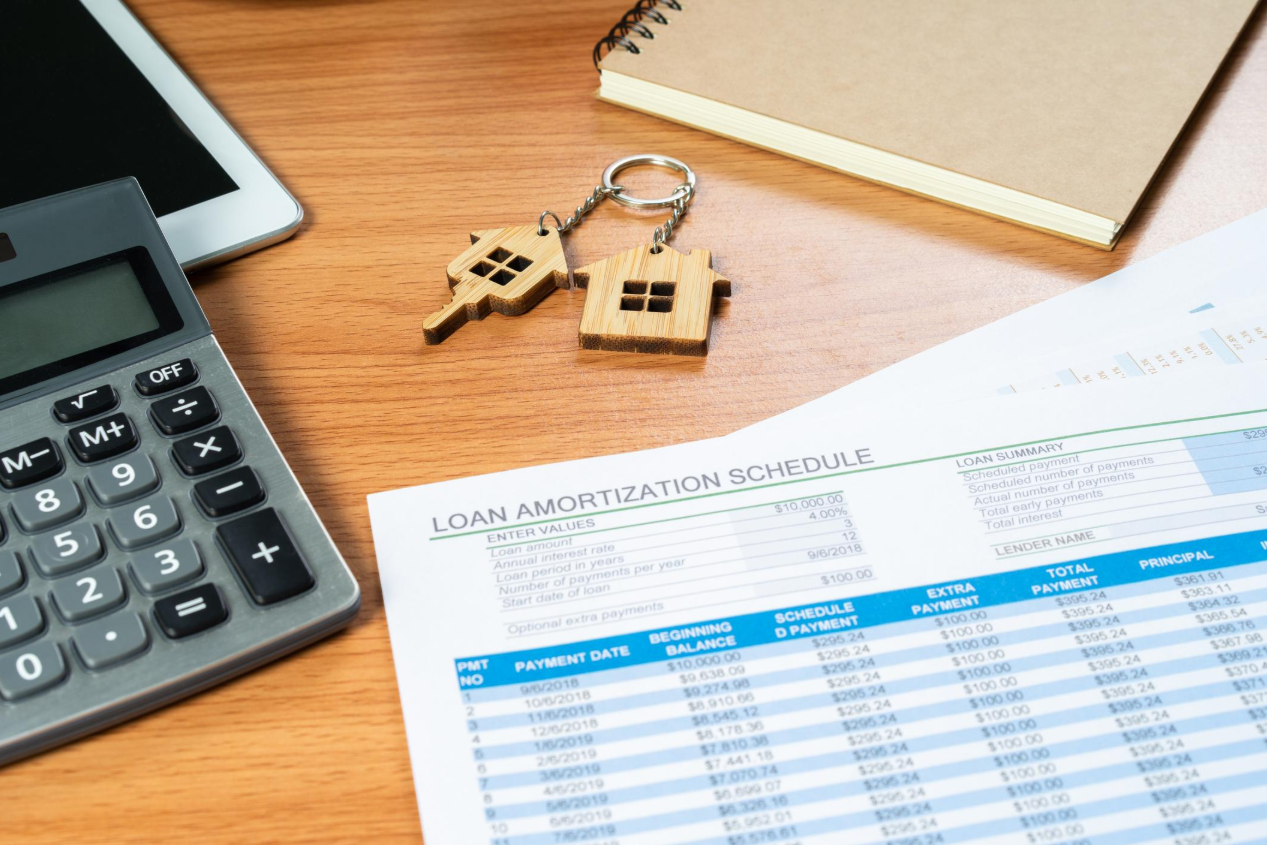
Mortgage recasting and refinancing can both lower monthly mortgage payments, but they work differently. Learn how each option affects your loan balance, interest rate, repayment term, and overall costs, with a practical comparison to help homeowners decide which strategy may better fit their financial goals.

Renting or Buying a House, Which Saves You More Money?
Should you rent or buy a house in 2026? Rising mortgage rates and the hidden costs of homeownership make this decision more complicated than comparing rent with a mortgage payment. Learn how to calculate the true cost of buying, account for taxes, insurance, maintenance, and closing costs, estimate your rent-versus-buy break-even point, and decide which option fits your budget and long-term financial goals.

Student Loan Changes in 2026 and its Repayment Plans
Federal student loan repayment changed in 2026, bringing new repayment plans, the end of the SAVE Plan, and updated options for managing debt. Learn how RAP and the Tiered Standard Plan work, what SAVE borrowers should do, how repayment choices may affect Public Service Loan Forgiveness, and how eligible borrowers can access a temporary 1% interest-rate reduction through automatic payments. This guide explains the key deadlines and practical steps to help you compare plans and manage student debt.

Are Credit Cards Actually Worth It? The Benefits & Risks
Are credit cards actually beneficial, or do their rewards and convenience hide expensive risks? This guide explains the real advantages and disadvantages of credit cards, including credit building, cash-back rewards, travel points, fraud protections, 0% APR offers, balance transfers, annual fees, interest charges, credit utilization, and minimum payments. Learn when a credit card can work in your favor, when it can become a costly debt trap, and how to decide whether using one makes sense for your financial situation.

Why Are Mortgage Rates Above 7% Again? The Hidden Cost
Mortgage rates are back above 7% as the 10-year Treasury yield climbs to levels not seen in more than two decades. This guide explains why mortgage rates can rise even when the Fed may cut rates, how Treasury yields affect borrowing costs, why homeowners are reluctant to sell, and what the mortgage lock-in effect means for housing supply. Learn how 7%+ rates change monthly payments, why home prices can remain high, whether buying or waiting makes more financial sense, and what first-time buyers should consider in 2026.

Is Your Savings Account Actually Making You Money in 2026?
Your savings balance can grow while your money loses purchasing power. This guide explains how to compare savings account APYs with inflation, calculate your real return, understand taxes and variable rates, and decide how much cash to keep in high-yield savings, CDs, or other accounts. Learn why a 4% APY is not the same as a 4% increase in wealth and how to make smarter decisions about emergency funds, short-term savings, and long-term cash.
Buy Now, Pay Later, Is It Cheaper Than Using a Credit Card?
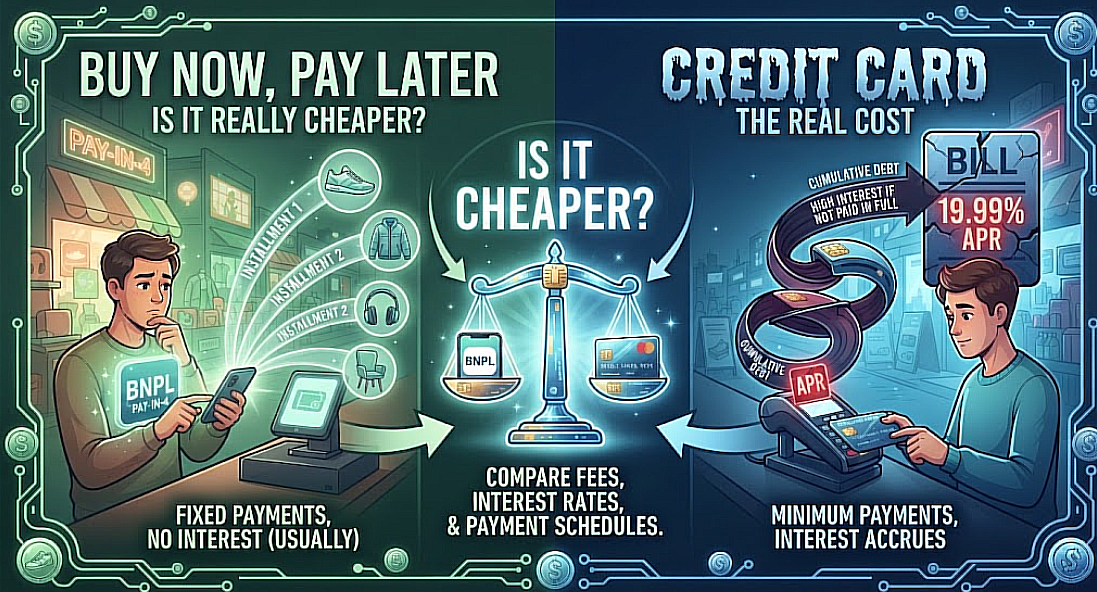
Buy Now, Pay Later can make purchases feel more affordable by splitting them into smaller payments, but is it actually cheaper than using a credit card? This guide compares BNPL and credit cards, explains interest and fees, explores payment stacking and credit considerations, and shows how to determine whether an installment plan truly fits your budget.

Why Your Paycheck Feels Smaller in 2026? Inflation, Wages
Your paycheck can increase while your purchasing power falls. This guide explains why wages and inflation can move in different directions, how the latest U.S. inflation and earnings data affect households, why your personal inflation rate may differ from the national average, and how rising housing, groceries, insurance, transportation, and debt costs can squeeze your budget. Learn how to calculate your own spending increase, understand real wages, protect savings, reduce high-interest debt, and turn raises into meaningful financial progress.

Fund Calculator: 7 Smart Ways to Find Your Saving Goal
An emergency fund can help you handle unexpected expenses without immediately turning to credit cards or loans. But how much should you actually save? This guide explains how to calculate a personalized emergency fund target, from a starter $500 or $1,000 cushion to several months of essential expenses. Learn which expenses to include, how income stability changes your target, where to keep emergency savings, how to build your fund faster, and how a savings goal calculator can help turn your target into a practical monthly plan.

APR vs Interest Rate: 7 Crucial Differences You Should Know
APR and interest rate are often used interchangeably, but they are not always the same thing. The interest rate tells you the cost of borrowing based on the rate charged on the balance, while APR can provide a broader measure of borrowing costs by incorporating certain fees and charges. This guide explains APR vs. interest rate with simple examples, shows how the difference works for credit cards, personal loans, auto loans, and mortgages, and explains what to look for when comparing borrowing options.

Ultimate Iowa Bankers Mortgage Guide: 7 Smart Tips to Save More
Learn what Iowa Bankers mortgage services involve and how IBMC supports community banks. Get seven practical tips for comparing rates, fees, cash needs, and long-term mortgage costs.

Primo Personal Loans: 7 Smart Things to Know Before You Apply
Primo Personal Loans has a current online application website, but public descriptions of its business model are inconsistent. Learn what to verify before applying.

Ultimate Credit Card Payoff Calculator: 7 Smart Ways to Pay Off Debt Faster
A credit card payoff calculator helps you compare monthly payments, interest costs, and payoff dates. Learn seven ways to build a faster, realistic debt repayment plan.

Smart Guide: Pay Mortgage With Credit Card, 9 Ways, Benefits & Risks
Paying a mortgage with a credit card is possible through selected payment routes, but fees and card rules often affect the value. This guide compares nine approaches, benefits, risks, and practical checks before you proceed.

First Digital Credit Card: 12 Things to Know Before You Apply
The First Digital Credit Card targets consumers with imperfect credit. This guide explains current fees, the published APR, rewards, credit reporting, application steps, risks, and alternatives.

Dave Ramsey Investment Calculator: 9 Smart Ways to Estimate Investment Growth
The Dave Ramsey Investment Calculator helps estimate how investments could grow over time. Learn how contributions, time, expected returns, and compound growth affect your potential future value.

Dillard’s Credit Card: 9 Powerful Benefits, Rewards & Things to Know Before Applying
The Dillard’s Credit Card offers rewards, a welcome shopping offer, and benefits for frequent Dillard’s shoppers. Learn how points work, compare the card options, and review key terms before applying.

Greater Personal Loan: 9 Things to Know Before You Borrow
A greater personal loan usually means a larger or better-fitting personal loan. This guide explains loan size, APR, fees, credit, repayment terms, risks, and alternatives.

50-Year Mortgage: 15 Things to Know Before You Apply
A 50-year mortgage spreads repayment across five decades. Learn why the payment may be lower, why total interest rises, and what U.S. buyers should compare in 2026.

Klarna Credit Card: 9 Things to Know Before Applying
The Klarna credit card combines Visa acceptance with Klarna's flexible payment options. Learn about its APR, fees, credit reporting, payment plans, benefits, drawbacks, and who should consider it.

Bajaj Housing Finance Share Price: Latest Results, Growth, Risks & Outlook
Explore Bajaj Housing Finance share price, latest financial performance, AUM growth, valuation factors, risks, and important points investors should consider.

Regional Finance: Personal Loans, Rates, Requirements & Application Guide
Learn how Regional Finance personal loans work, including loan amounts, APRs, eligibility requirements, application steps, collateral, and repayment options.

Frontier Credit Card: Benefits, Rewards, Fees & Application Guide
Explore the Frontier credit card, including its travel rewards, free checked bag benefit, Frontier Miles, eligibility, costs, and important features to consider.

Iowa Bankers Mortgage: Complete Guide to Home Loans & Eligibility
Learn how Iowa Bankers Mortgage works, compare available home loan options, understand eligibility requirements, and make informed decisions before applying for a mortgage.
Secured Personal Loan: 7 Expert Tips to Secure Fast Approval
Discover everything you need to know about a security personal loan, including how secured loans work, eligibility requirements, collateral options, interest rates, and expert strategies to improve approval chances. Learn the key differences between secured and unsecured loans to make an informed borrowing decision.
Discount Tire Credit Card: 8 Things to Know Before You Apply
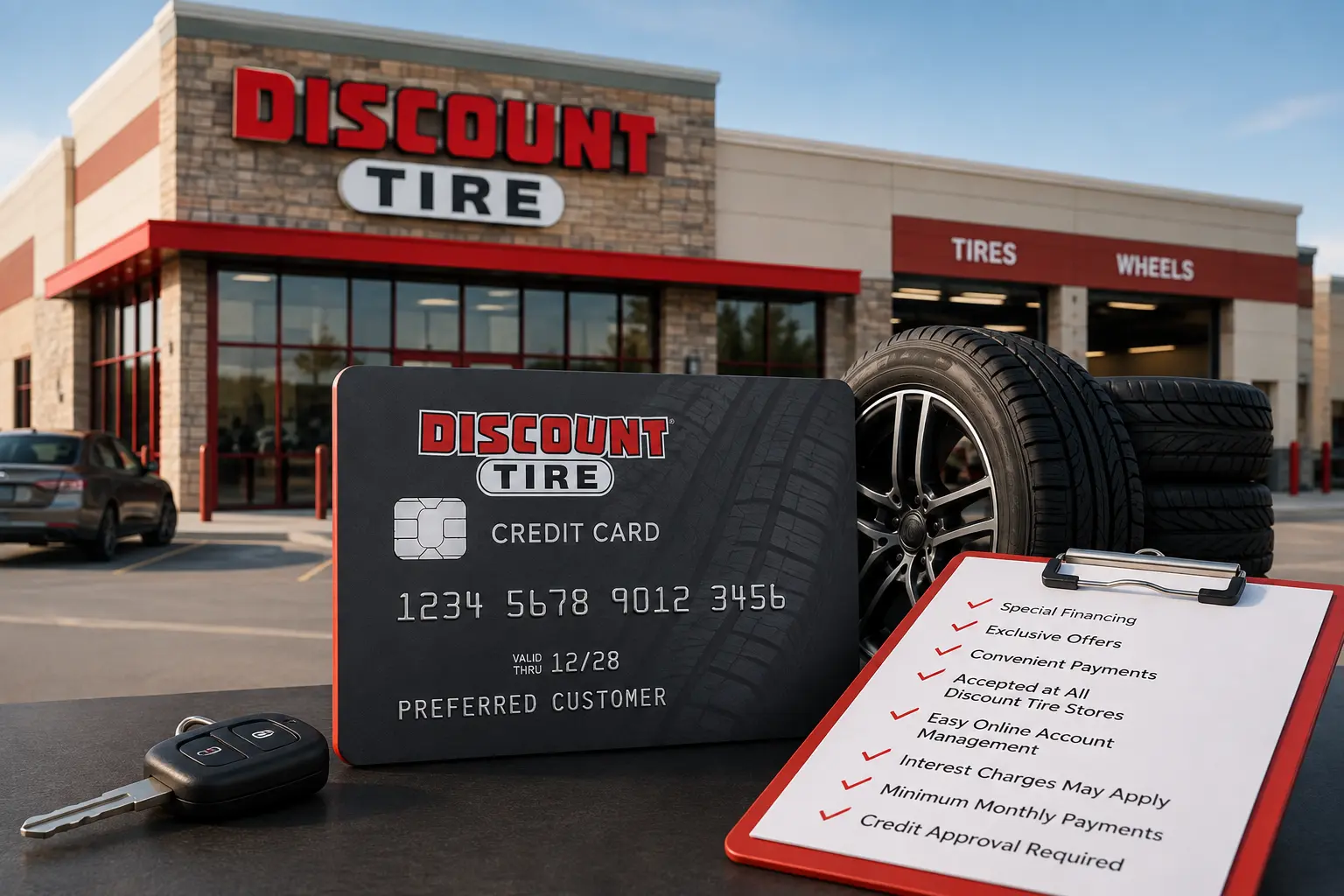
A Discount Tire credit card exists for one reason, spreading out a tire bill without paying interest, provided you clear the balance before the promotional window closes. This FAQ set covers deferred interest financing, where the card works, credit score requirements, the APR once promotions end, and how to avoid retroactive interest.
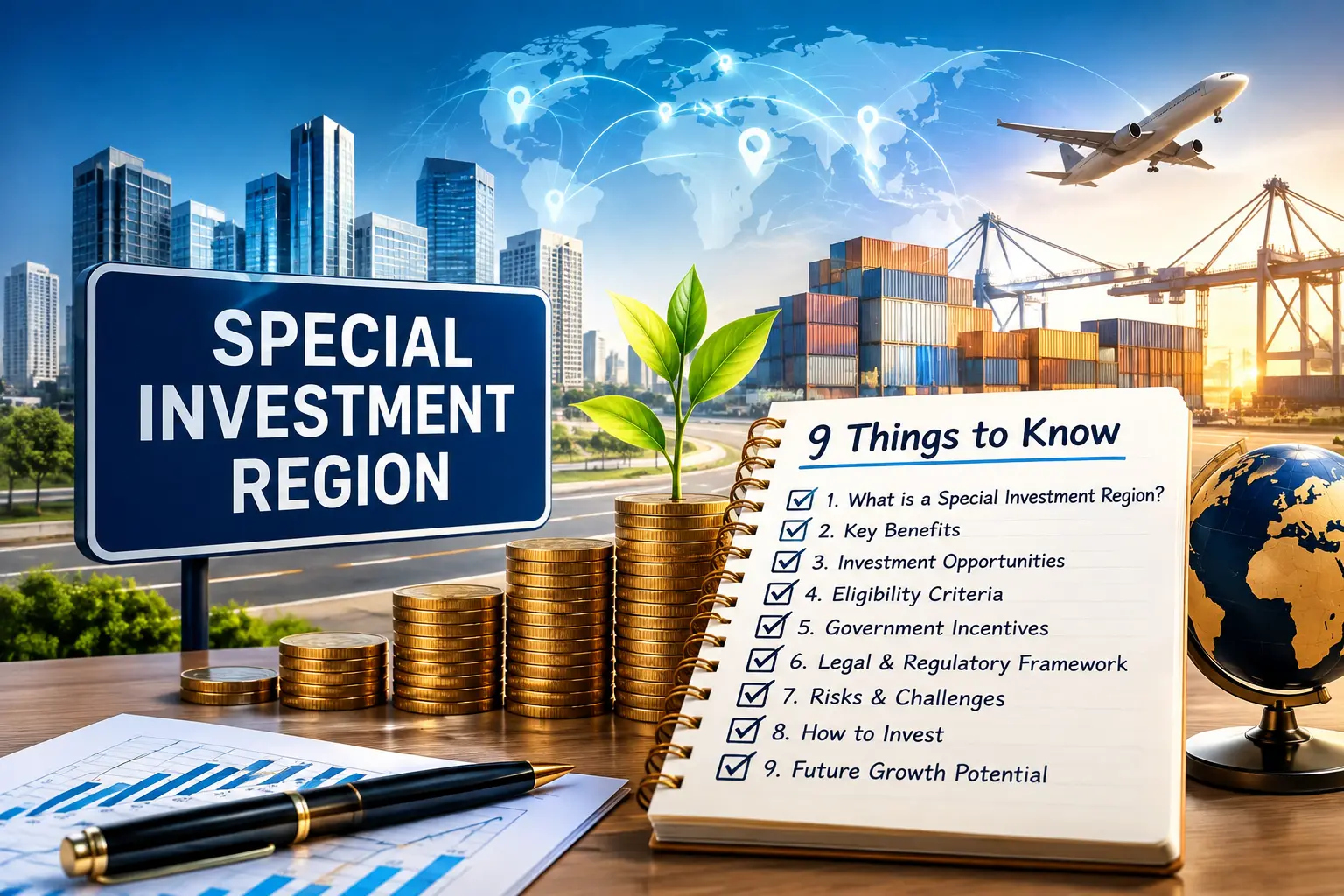
Special Investment Region: 9 Things to Know Before You Invest
A special investment region is a large-scale, government-notified industrial and urban development zone designed to pull in massive capital and speed up regional economic growth. This FAQ set covers what an SIR is, how it compares to an SEZ, Gujarat's Dholera project, land investment risks, and what foreign and NRI investors should know.

Mortgage Agency Services: 9 Things Every Homebuyer Should Know
Mortgage agency services quietly shape almost every conventional home loan in America, setting the rules lenders follow and the price investors pay for mortgage debt. This FAQ set covers what mortgage agencies are, agency vs jumbo loans, 2026 conforming loan limits, delegated underwriting, and how to choose a mortgage agency or broker.

Nordstrom Credit Card: 10 Things to Know Before Applying
A Nordstrom credit card comes with instant loyalty status, a same-day bonus, and a rewards rate that climbs with your spending, but the version you apply for is not the version you necessarily receive. This FAQ set covers the two card types, rewards structure, the approval day bonus, points expiration, interest rate, and how to pay your bill.

Top Personal Loans Quick: 9 Smart Approval Secrets
A Quicken Loans personal loan search today leads to a marketplace, not a direct lender. This FAQ set covers what Quicken Loans is in 2026, how it differs from Rocket Loans, 9 smart approval secrets, typical loan amounts and terms, and how to confirm you're dealing with a licensed lender before you apply.

Ultimate Victoria's Secret Credit Card: 9 Amazing Benefits
The Victoria's Secret credit card rewards shoppers with fast points, automatic Silver status, and a birthday gift from the moment the card gets approved. This FAQ set covers all 9 benefits, how the VS and PINK Rewards program works, where the card is accepted, bill payment options, and the interest rate every cardholder should watch.

Ultimate Growth Stocks: 7 Powerful Picks for Huge Returns
Growth stocks belong to companies expanding sales and earnings faster than the market average. This FAQ set covers what separates growth from value and dividend stocks, seven practical ways to build growth exposure through index funds and a stock screening checklist, and the volatility every investor should weigh before chasing a headline return.
American Eagle Credit Card: Complete Guide to Rewards, Payments, and Approval in 2026
The American Eagle credit card comes in two versions, a store only Real Rewards card and a Real Rewards Visa card that works anywhere Visa is accepted. This guide covers how to apply, how rewards points and the 1,250 point threshold work, every payment method and phone number tied to your card type, cash advance rules, APR and fees, and the mistakes that quietly erase your rewards value.

Family Opportunity Mortgage: 10 Essential Things to Know
A family opportunity mortgage lets you buy a home for an elderly parent or a disabled adult child while keeping owner-occupied rates and a low down payment. This FAQ set covers who qualifies, credit and debt to income requirements, how rates and lenders compare, and state specific notes for Texas and Florida.