

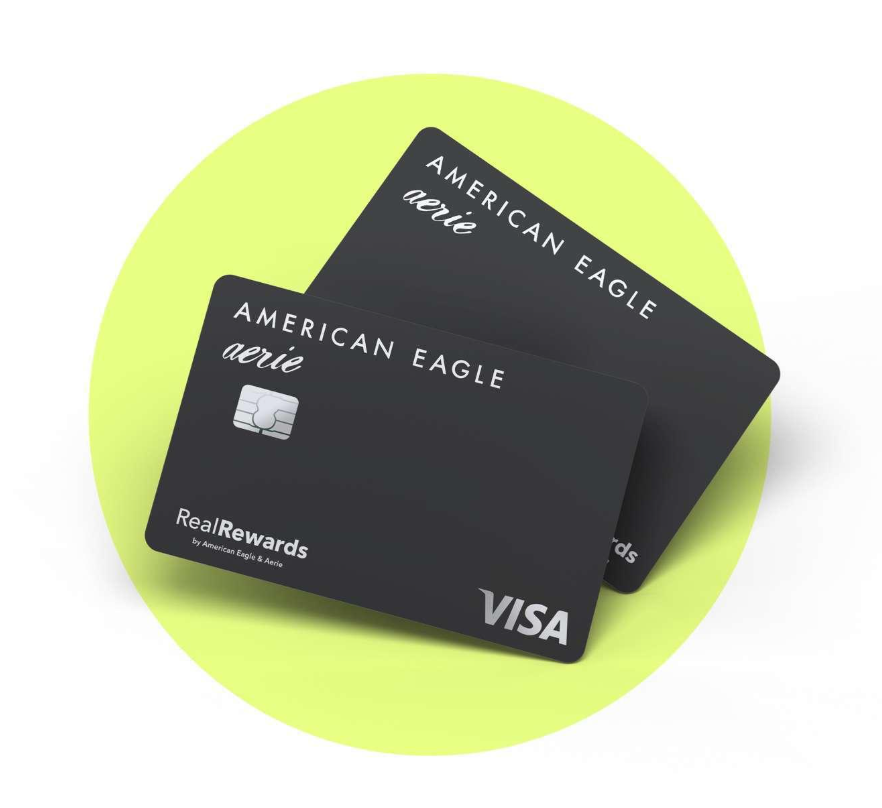
American Eagle Credit Card Review: Worth It in 2026?
A new pair of jeans, a seasonal wardrobe refresh, or a shopping trip to American Eagle can feel a little more rewarding when a store offers exclusive discounts and points. That is the appeal behind the American Eagle credit card: shoppers can access cardmember perks while earning rewards on eligible purchases at American Eagle Outfitters and Aerie.
At first glance, the offer sounds attractive. The card has no annual fee, eligible cardholders can earn enhanced rewards, and new accounts may qualify for a discount on their first purchase. For people who regularly shop at these brands, those benefits could provide meaningful savings.
But there is another side to the deal. The card's advertised purchase APR for new accounts opened from January 1, 2026, is 33.24% variable for the store card. That is an expensive rate for anyone who carries a balance. Rewards can also have redemption restrictions, and the card's value depends heavily on how often a customer shops at the brands.
So, is the American Eagle credit card worth it in 2026? The answer depends on whether you already shop at American Eagle and Aerie, how you manage credit, and whether you can pay your bill in full every month.
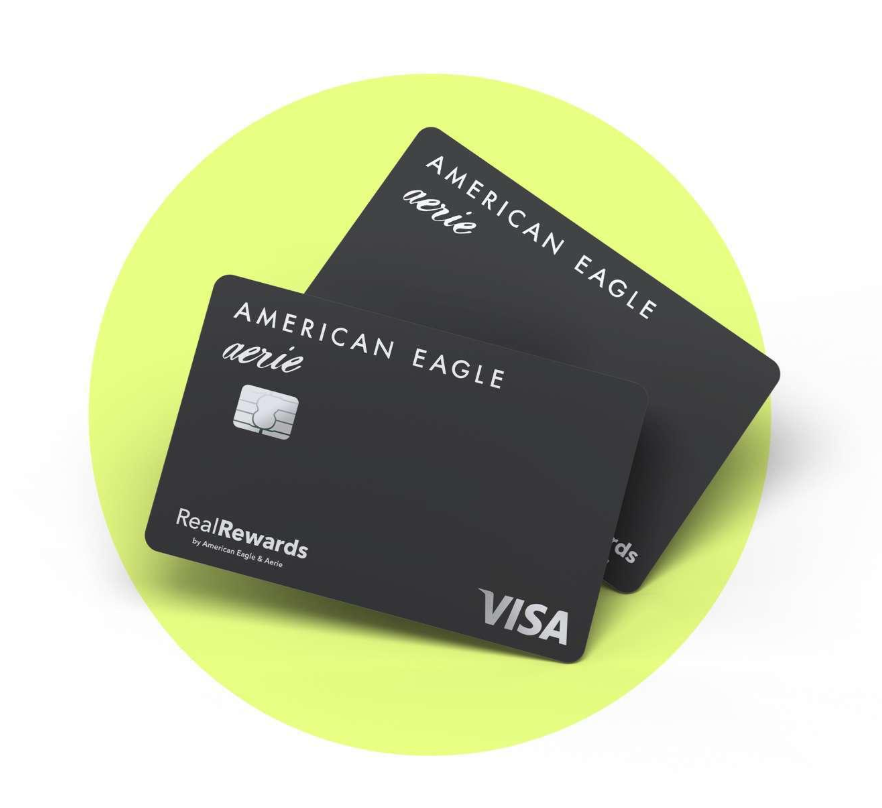
What Is the American Eagle Credit Card?
The American Eagle credit card is a retail credit product associated with American Eagle Outfitters and Aerie. It is issued and managed by Synchrony Bank and is connected to the brands' Real Rewards loyalty program.
The program is designed to encourage repeat shopping by giving eligible cardholders access to rewards and promotional benefits. Instead of being a traditional cash-back card focused on groceries, fuel, dining, or everyday expenses, it primarily rewards purchases made through American Eagle and Aerie.
There are two main versions to understand:
- Real Rewards credit card: The store-only version, intended for purchases at American Eagle and Aerie.
- Real Rewards Visa Signature credit card: The Visa version, which can also be used at merchants that accept Visa.
The distinction matters. Someone who only wants discounts on American Eagle clothing may not need the Visa version's broader acceptance. Someone looking for a card for everyday purchases may prefer a general-purpose credit card with more flexible rewards.
Neither version should be confused with a debit card or a free loyalty membership. A credit card involves borrowing money, and the cardholder remains responsible for repaying the balance under the account agreement.
American Eagle Credit Card Benefits
1. No annual fee
One of the card's straightforward advantages is its $0 annual fee for the advertised card products. That means cardholders do not have to pay a yearly charge simply to keep the account open.
This can make the card easier to justify for occasional shoppers than a retail card that charges an annual membership fee.
However, no annual fee does not mean no possible costs. Interest, late-payment fees, cash-advance fees on applicable versions, and other charges can still apply. A card can be free to hold and expensive to use if the balance is not managed carefully.
2. Enhanced rewards at American Eagle and Aerie
American Eagle promotes its Real Rewards credit card as a way to earn 16% back in rewards on eligible American Eagle and Aerie purchases.
That headline benefit is worth understanding correctly. The advertised 16% is a rewards rate, not necessarily 16% cash deposited into a bank account. Rewards are subject to the program's rules, exclusions, and redemption conditions.
The standard Real Rewards loyalty program also offers benefits to members who do not open a credit card. Depending on the membership level and applicable terms, customers may receive rewards on purchases, access to member-only promotions, birthday benefits, and other perks.
That creates an important comparison: a shopper should consider what they can earn through the free loyalty program before deciding whether opening a credit account is worthwhile.
3. An introductory purchase discount
American Eagle advertises a 20% discount on a first eligible American Eagle or Aerie purchase when a customer opens and uses the Real Rewards credit card.
For someone who was already planning a large purchase, that discount could provide immediate value. For example, a qualifying $200 purchase would produce a $40 discount before applicable taxes and shipping, assuming the offer applies to the full eligible amount.
However, the promotional terms matter. The offer is subject to credit approval and has restrictions, including exclusions for gift cards and certain merchandise. It cannot necessarily be combined with other discounts, and it is valid only under the stated program conditions.
The key question is whether the purchase was already planned. Opening a credit card solely to receive a discount can encourage unnecessary spending, which may outweigh the benefit.
4. Access to brand-specific promotions
Retail credit cards can offer targeted promotions or special events for cardholders. For shoppers who already follow American Eagle and Aerie releases, these offers may be useful.
The benefit is less compelling for customers who purchase clothing from many different retailers. A discount that is useful at one store does not automatically help someone who needs to spend elsewhere.
Promotions can also change. Prospective cardholders should review the current offer and account terms rather than relying on an old advertisement or an online review from a previous year.
The Biggest Drawback: A High Interest Rate
The most important issue in this American Eagle credit card review is the cost of carrying a balance.
American Eagle and Synchrony's published offer lists a 33.24% variable purchase APR for new store-card accounts as of January 1, 2026. The disclosed penalty APR is 39.99%. The applicable rate for a Visa account may differ, so applicants should check the pricing disclosure for the exact product they are offered.
An APR is an annualized measure of borrowing cost, not a one-time fee. Actual interest depends on factors such as the balance, payment timing, daily balance calculations, and the account's terms.
At a rate above 33%, unpaid balances can become expensive quickly.
Example: When interest overwhelms rewards
Imagine a shopper buys $300 worth of clothing using the card. The shopper earns rewards on eligible purchases but does not pay the entire statement balance by the due date.
If interest begins to accrue, even a relatively small carried balance can generate charges that reduce the value of the rewards. The precise amount depends on the account's daily balance method, payments, and timing.
Consider a simplified illustration: a balance of $300 subject to a 33.24% APR for roughly one month could generate around $8 in interest if the balance remains approximately constant. This is only an estimate, not a statement of the actual charge on a specific account.
That cost can easily eat into the value of a rewards certificate. If the shopper continues making purchases and paying only the minimum, interest costs can accumulate and make the original clothing purchase substantially more expensive.
This is why rewards cards are most useful for people who pay their statement balances in full and on time. If you regularly carry debt, a high rewards percentage should not distract you from the interest rate.
How the Rewards Work—and What to Check
The advertised rewards rate is attractive, but the practical value depends on how the program works.
Before applying, shoppers should confirm the following details in the current Real Rewards terms:
- Which purchases qualify for rewards.
- Whether gift cards, third-party merchandise, or other categories are excluded.
- How rewards are calculated and issued.
- The minimum amount required for redemption, if any.
- Where rewards can be redeemed.
- Whether rewards expire or can be lost after an account change.
- Whether returns or refunded purchases reverse earned rewards.
Rewards that can only be used at particular stores are less flexible than cash back that can be spent anywhere. This does not make store rewards worthless; it simply means their value depends on whether the customer will shop at those stores again.
For a loyal American Eagle customer, a store-specific reward may be useful. For someone who shops there only once or twice a year, the same reward may be less valuable.
It is also important not to treat rewards as guaranteed savings on every dollar spent. Program rules, exclusions, and promotional conditions determine what a customer actually earns.
Store-Only Card vs. American Eagle Visa
Choosing the correct version is one of the most important decisions for prospective cardholders.
Feature | Store-only card | Visa version |
|---|---|---|
American Eagle purchases | Yes, subject to terms | Yes, subject to terms |
Aerie purchases | Yes, subject to terms | Yes, subject to terms |
Purchases at other merchants | No | Yes, wherever Visa is accepted |
Annual fee | $0 | $0 |
Main appeal | Brand-specific rewards and offers | Brand rewards plus broader payment acceptance |
Best suited to | Frequent American Eagle shoppers | Shoppers who want wider card acceptance |
The Visa version is more flexible because it can be used outside the two brands. However, wider acceptance does not automatically make it the better financial choice.
Someone who already has a competitive cash-back card may receive more useful rewards on everyday spending with that existing card. The American Eagle Visa's purchase APR, fees, and reward conditions should be compared with those of any alternative.
If the main goal is to earn rewards on groceries, transportation, utilities, and a wide range of purchases, a general-purpose card may be a better fit. If the goal is specifically to maximize benefits at American Eagle and Aerie, the branded card deserves a closer look.
Fees and Terms You Should Know
An informed credit card decision requires looking beyond the headline benefits.
Late-payment and penalty charges
The published terms disclose a penalty APR of up to 39.99% for applicable new accounts. The penalty APR may apply in circumstances described in the account agreement, including certain late payments.
The agreement also lists late-payment and returned-payment fees of up to $41. These charges can make an already expensive balance more difficult to manage.
Payment reminders and automatic payments can help reduce the risk of missing a due date. However, automatic payments should be set up carefully so the linked bank account has sufficient funds.
Foreign transaction fees
The published offer lists a 3% foreign transaction fee for the Visa version. This can matter to people who make purchases in foreign currencies or through merchants whose transactions are processed internationally.
A customer who regularly travels or shops from overseas websites should compare this fee with the terms of other cards. A card with no foreign transaction fee may be more economical for international spending.
Cash advances and other costs
Cash advances are different from ordinary purchases and can have separate fees and interest rules. The published disclosures include a cash-advance fee of 5% of the amount, with a $10 minimum, for the applicable Visa product.
Cash advances are generally an expensive way to obtain cash and should not be treated like ordinary card purchases.
Terms can vary between products and account agreements. Before applying, review the pricing disclosure for the exact card, including purchase APR, cash-advance APR, fees, penalty terms, and any other charges.
Can the American Eagle Credit Card Help Build Credit?
A retail credit card may help eligible cardholders establish or build a credit history when the issuer reports account activity to credit bureaus. However, the outcome depends on the account's reporting practices and the consumer's overall credit profile.
Payment history is important. Paying on time can support a positive credit record, while missed payments can damage it. The amount of available credit being used can also affect credit scores.
For example, a cardholder with a $500 credit limit who regularly carries a $450 balance is using 90% of that limit. High credit utilization can weigh against credit scores, although scoring models differ and utilization is only one factor.
A card should not be opened simply because it might build credit. Consumers should first consider whether they can manage another account responsibly and whether a more flexible credit-building option is available.
For someone who wants to build credit, the most useful habits are usually straightforward: pay every bill on time, keep balances manageable, avoid applying for unnecessary accounts, and review credit reports for errors.
Who Should Consider the American Eagle Credit Card?
The card may make sense for a particular type of shopper.
Frequent American Eagle and Aerie customers: If you already spend regularly at these brands, the enhanced rewards and promotional offers may provide useful value.
People who pay in full every month: Paying the entire statement balance by the due date helps avoid purchase interest when the account's terms and grace-period requirements are met. This allows rewards to play a more meaningful role in the decision.
Shoppers who understand the redemption rules: Customers who know how rewards are earned, where they can be used, and whether they expire are better placed to judge their real value.
People who want a store-specific loyalty benefit: If American Eagle and Aerie are already important parts of your shopping routine, a branded card may complement that habit.
Even for these shoppers, approval is not guaranteed, and the card's terms should be compared with available alternatives.
Who Should Avoid It?
The card is less attractive for consumers whose financial habits or spending patterns do not match its benefits.
People who carry credit card debt: With a purchase APR above 33% on the published store-card offer, carrying a balance can quickly outweigh rewards.
Infrequent American Eagle shoppers: If you rarely shop at the brands, store-specific rewards may have limited practical value.
Shoppers who need flexible cash back: Rewards that must be redeemed through a specific retail program are less versatile than cash back that can be used for bills or other expenses.
People opening the card only for the first-purchase discount: A temporary discount may not justify another credit account, particularly if it encourages spending that was not originally planned.
Consumers who struggle with payment deadlines: Late fees and penalty rates can make credit expensive. Anyone who expects difficulty managing another bill should think carefully before applying.
How It Compares With Other Credit Card Options
The American Eagle card should be compared with the alternatives available to a consumer, not evaluated in isolation.
A general-purpose cash-back card may offer rewards on multiple spending categories. A card with a lower interest rate may be more suitable for someone who occasionally needs to carry a balance, although paying in full is usually the better approach when possible. A free American Eagle Real Rewards membership may provide brand-specific perks without requiring a credit application.
The right comparison depends on the shopper's priorities.
Priority | What to compare |
|---|---|
Clothing rewards | The actual value and restrictions of American Eagle rewards |
Everyday purchases | Cash-back rates on groceries, fuel, dining, and other regular expenses |
Lower borrowing costs | Purchase APR, grace period, and fees |
International spending | Foreign transaction fees and payment acceptance |
Building credit | Reporting practices, eligibility, payment management, and available alternatives |
Avoiding unnecessary credit | Benefits available through the free loyalty program |
For broader consumer-finance education, Finiuo can be a useful resource for exploring budgeting, credit decisions, and the cost of borrowing. For legal questions about consumer rights and financial agreements in the United States, readers can explore Jurnza. And for everyday lifestyle and nutrition content, Dryzen Royal offers a different category of consumer information.
How to Decide Whether It Is Worth It
Before applying, take a few practical steps.
First, estimate how much you actually spend at American Eagle and Aerie in a typical year. Do not include purchases you might make just because the card offers rewards. Use your normal shopping habits as the baseline.
Second, check the free Real Rewards program. If you can access some benefits without opening a credit account, compare those perks with the additional rewards offered by the card.
Third, read the current pricing disclosure and rewards terms. Confirm the exact APR for the card you are offered, all applicable fees, the first-purchase discount conditions, and the rules for earning and redeeming rewards.
Fourth, consider how you will pay the bill. If you cannot comfortably pay the statement balance in full each month, the card's high interest rate should weigh heavily against applying.
Finally, compare the card with at least one general-purpose alternative. A rewards program should fit your spending habits, not persuade you to spend more than you otherwise would.
Conclusions
The American Eagle credit card can be useful for shoppers who regularly buy from American Eagle and Aerie and can pay their balances in full every month. Its $0 annual fee, enhanced store rewards, and advertised first-purchase discount are appealing benefits for customers who already shop at the brands.
However, the card is not an automatic win. The published purchase APR for new store-card accounts is 33.24% variable as of January 1, 2026, and the program's rewards have restrictions. Carrying a balance can quickly reduce or eliminate the value of the perks. The Visa version offers wider acceptance but still requires a careful review of its specific terms and fees.
For occasional shoppers, people who need flexible cash back, or anyone likely to carry debt, a free loyalty membership or a general-purpose credit card may be a better fit.
The bottom line: The American Eagle credit card is best treated as a targeted rewards tool, not a reason to spend more or borrow at a high interest rate. If the card fits purchases you already planned and you pay on time in full, the perks may be worthwhile. If not, the discount may cost more than it saves.