

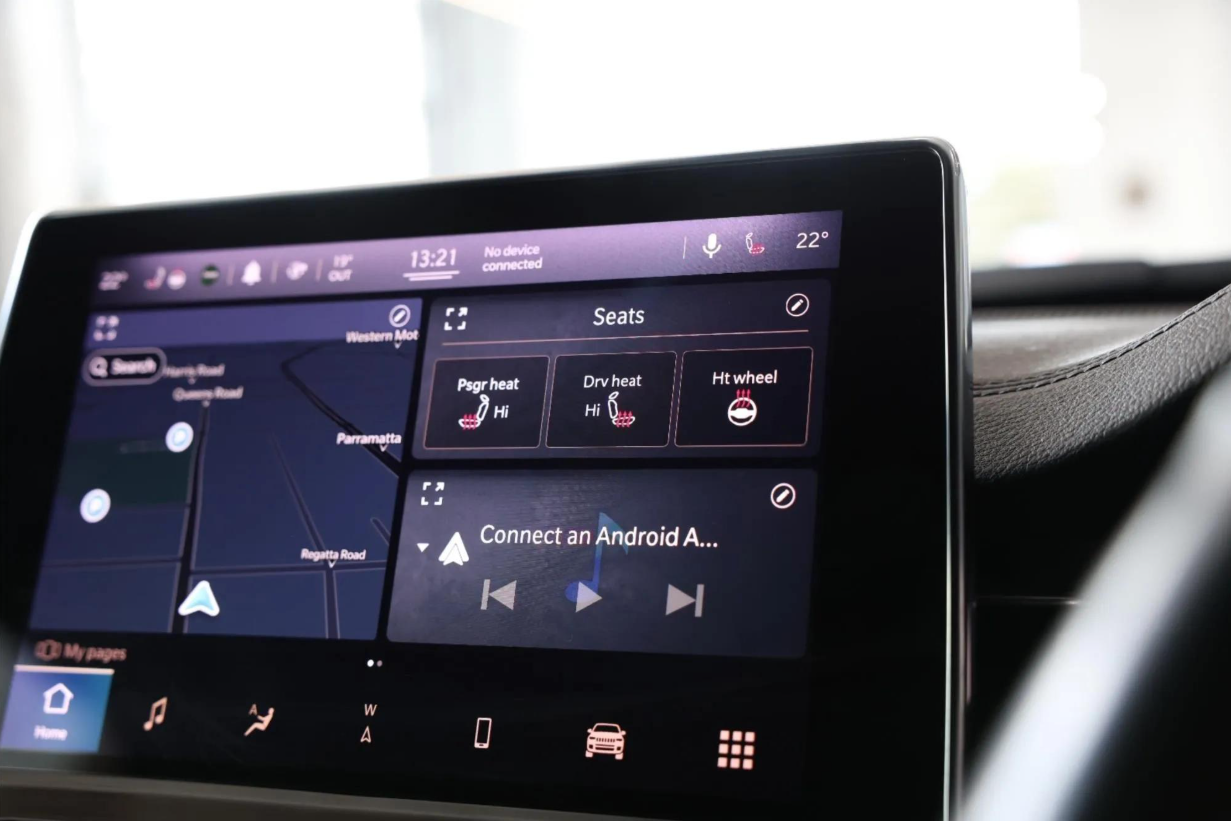
The Car Subscription Trap: Monthly Fees for Features Already Built Into Your Vehicle
Buying a car used to mean that once you paid for the vehicle, the features installed inside it were yours to use according to the terms of your purchase. You might pay extra for a navigation system, upgraded seats, a premium sound system, or a more powerful engine, but the idea of paying a monthly bill to keep using certain features after buying the car still feels unusual to many drivers. That expectation is changing.
Some automakers now offer subscriptions for connected services, smartphone-controlled vehicle functions, enhanced navigation, in-car internet, and advanced driver-assistance technology. A new car may include a free trial that lasts a few months or several years, only for the owner to discover that keeping a particular service requires a recurring payment.
The charges are not all the same. Some pay for cellular data, cloud-based navigation, remote access, or services that depend on ongoing infrastructure. Others unlock software-enabled functions that rely on technology already installed in the vehicle. Some features can be purchased permanently, while others require a monthly or annual subscription.
For drivers, the financial problem is straightforward: a relatively small monthly charge can become a meaningful expense when added to insurance, fuel, maintenance, registration, parking, and loan payments.
A $10 subscription may not seem important when you are buying a car that costs tens of thousands of dollars. But if you pay it for five years, it totals $600. Several subscriptions can add up to much more.
The solution is not to reject every connected service. Some are genuinely useful. Instead, drivers should understand what they are paying for, which features they actually use, what happens when a trial expires, and whether a recurring payment is better value than an alternative.
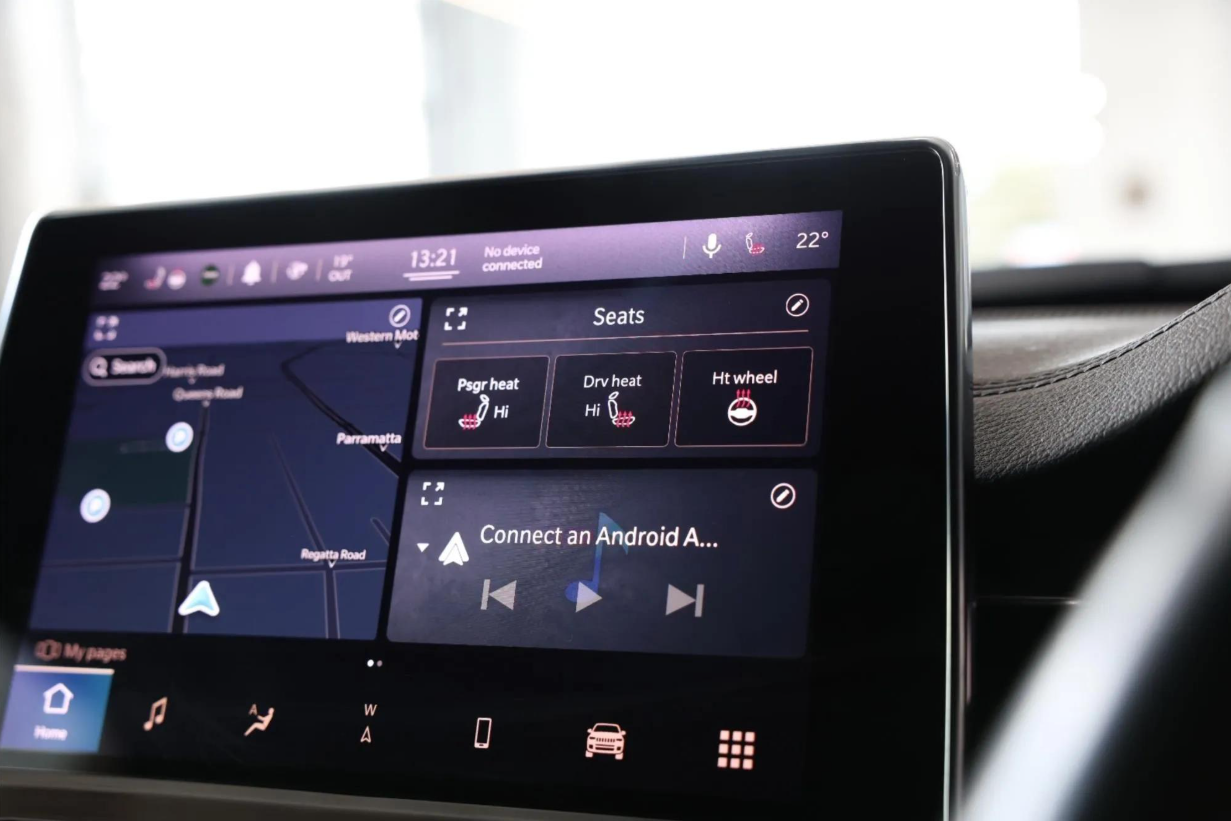
What Is a Car Feature Subscription?
A car feature subscription is a recurring payment that gives an owner access to a particular digital service or vehicle function for as long as the subscription remains active.
These services generally fall into several categories.
Connected vehicle services
Connected services let owners communicate with their vehicles through a smartphone app or an online platform. Depending on the manufacturer and model, they may include remote locking and unlocking, remote start, vehicle-location information, status reports, or remote climate controls.
Some functions rely on a cellular connection between the car and the manufacturer's systems. The automaker may offer a free trial before charging for continued access.
Toyota, for example, lists Remote Connect at $8 per month for eligible vehicles under its connected-services plans. The exact availability and terms depend on the vehicle and service. Drivers should verify their own model's plan rather than assume every Toyota has the same features or pricing. <Cite refs={["turn161386search0"]} />
Navigation and internet services
Some vehicles offer connected navigation, live traffic information, enhanced voice assistants, in-car Wi-Fi, or integrated music streaming through paid plans.
These services may rely on live data, cellular networks, software platforms, or third-party content providers. That makes them different from a physical component such as a seat or steering wheel.
For instance, Toyota lists Wi-Fi Connect at $25 per month and offers other packages for eligible vehicles. Such plans may make sense for drivers who regularly use their car's internet features, but they may be unnecessary for owners who rely on a phone for navigation and entertainment. <Cite refs={["turn161386search0","turn161386search10"]} />
Advanced driver-assistance systems
Some automakers offer subscriptions for technology designed to assist with driving on compatible roads. Examples include hands-free highway driving systems and certain advanced driver-assistance packages.
Ford's BlueCruise and General Motors' Super Cruise are examples of services that may require payment after an included trial or coverage period. Pricing, eligibility, and available purchase options vary by vehicle and plan. These systems are not interchangeable, and drivers must follow their specific operating limitations and remain attentive as required. <Cite refs={["turn161386search2","turn161386search4"]} />
Software-enabled performance features
Certain vehicles can also offer software-based upgrades that alter or expand vehicle performance. Depending on the manufacturer, a feature may be available through a one-time purchase or recurring payment.
These offerings raise a different consumer question: if the vehicle already contains the necessary hardware, should activating the function require another payment?
There is no single answer for every product. Software development, testing, licensing, support, and future updates can involve real costs. However, buyers should know whether they are purchasing a permanent capability or temporary access before agreeing to the terms.
The Most Important Distinction: Hardware Versus a Service
The phrase "paying for a feature already built into your car" sounds simple, but it can conceal an important distinction.
A vehicle's physical hardware and its connected services are not necessarily the same thing.
A smartphone app that starts your car remotely may depend on cellular communication, manufacturer servers, authentication systems, and software maintenance. Even though the car contains the necessary electronics, operating the service can involve ongoing costs.
Similarly, live traffic information, internet streaming, and cloud-based navigation require data services that a physical dashboard screen alone cannot provide.
A different situation arises when a manufacturer charges to activate a function that depends primarily on hardware already installed in the vehicle. In that case, the buyer may reasonably wonder why the function was not included in the original purchase price or offered as a permanent option.
Before judging a charge, ask three questions:
- What exactly am I paying for? Is it connectivity, live data, software access, a safety-related service, or an activation fee?
- Does the service involve ongoing costs? Cellular data, cloud processing, support, and software maintenance may help explain a recurring charge.
- What happens if I stop paying? Does the feature stop working completely, lose only its connected functions, or continue operating in a more limited form?
The answers matter more than the word "subscription" on a pricing page.
How Small Monthly Car Fees Become Big Expenses
Recurring car charges can be easy to overlook because they are often presented as optional add-ons rather than part of the original vehicle price.
Consider three illustrative subscriptions:
Monthly charge | Annual cost | Five-year cost |
|---|---|---|
$8 | $96 | $480 |
$10 | $120 | $600 |
$15 | $180 | $900 |
These calculations assume the price stays the same and the subscription remains active for the full period. Actual fees may change, and taxes or other charges may apply.
Now imagine a driver pays $10 per month for connected services and $15 per month for another digital package. Together, the subscriptions cost $25 each month, or $300 a year. Over five years, that becomes $1,500.
That is not necessarily money wasted. If the services are useful and regularly used, the expense may be justified. But it is still a cost of ownership that deserves a place in the household budget.
The bigger issue is that these fees often arrive separately from the car payment. A buyer might calculate whether they can afford the monthly loan payment without including the cost of connected services that begin charging after a trial ends.
That creates an incomplete picture of affordability.
When comparing vehicles, calculate the full recurring cost: financing, insurance, fuel or charging, maintenance, parking, tolls, and any digital services you expect to keep. Optional technology should not be treated as financially invisible simply because it appears in an app rather than a traditional bill.
Free Trials: The Expense That Arrives Later
Free trials can be helpful. They allow drivers to experience a service before deciding whether it is worth paying for.
The risk is that a trial can make a feature feel like a permanent part of the vehicle, even when the purchase agreement or service terms say otherwise.
Imagine that a new car includes three years of a connected service. During that period, you use the smartphone app to check your vehicle's location, lock the doors remotely, and receive status notifications. Those functions become part of your routine.
When the trial ends, paying for the same convenience may feel less like buying something new and more like losing something you already had.
This is why the trial period deserves attention when shopping for a car.
Before signing the purchase agreement, ask the salesperson:
- Which digital services are included?
- When does each trial begin and end?
- What is the price after the trial?
- Does the service renew automatically?
- Can I continue using the vehicle without subscribing?
- Are any features available through a key fob, a phone, or another service instead?
- Is there a permanent purchase option?
Get important answers in writing where possible. A general statement that the car includes connected services does not tell you whether access lasts for three months, three years, or the life of the vehicle.
The Federal Trade Commission advises consumers to review free-trial and automatic-renewal terms, pay attention to renewal notices, and check the price before a subscription renews. Those principles apply to vehicle services just as they do to other recurring purchases. <Cite refs={["turn161386search8"]} />
Which Car Subscriptions Are Worth Paying For?
The right answer depends on your driving habits, your vehicle, and the alternatives available to you. A feature that saves time or provides useful information every day may justify a recurring fee. A service used twice a year may not.
Remote start and climate controls
Remote start can be valuable if you regularly need to prepare your vehicle before driving. Depending on where you live and the car's equipment, remote climate controls may help make very hot or cold weather more comfortable.
But consider how often you use the function and what happens when the subscription expires. Some vehicles may offer a physical-key or other alternative for certain functions; others may not. Do not assume that an app subscription and a key-fob function are identical.
If you rarely use remote controls, an ongoing fee may not deserve a place in your budget.
Navigation and traffic information
Connected navigation can provide current traffic information, updated maps, or other features that are unavailable in a basic offline system.
However, many drivers already use smartphone navigation. If your phone provides the directions, traffic updates, and voice guidance you need, paying extra for a second navigation service may offer limited additional value.
Compare convenience, screen integration, reliability, and data costs. If your vehicle's built-in system works substantially better for your needs, the subscription may be worthwhile.
In-car Wi-Fi and streaming
A vehicle Wi-Fi plan can make sense for families, frequent travelers, or people who regularly work or stream content while passengers are in the car.
But check whether your existing mobile plan allows hotspot use and whether your passengers actually need a separate connection. Compare data limits, coverage, and cost before adding another monthly bill.
If the car's internet service is used only occasionally, a permanent subscription may be unnecessary.
Advanced driver-assistance technology
Hands-free highway driving and other advanced assistance systems may be useful for some drivers on compatible roads. But these services can be more expensive than basic connected features, so the decision deserves more scrutiny.
Assess the annual cost, the roads you typically drive, the system's limitations, and whether the feature is available as a one-time purchase. Never treat a driver-assistance system as a substitute for attention or as a guarantee that a collision will be prevented.
The best subscription is one that delivers a clear benefit you actually use—not one you keep paying for because it came with an impressive demonstration at the dealership.
Five Questions to Ask Before Paying for a Feature
A simple checklist can prevent a recurring expense from becoming another forgotten bill.
1. Do I use this feature regularly?
Think about actual behavior, not what you imagine you might do after buying the car.
If you use remote start every weekday, its convenience may justify the cost. If you opened the connected-car app only during the first week of ownership, the service may not be worth renewing.
A feature does not become valuable simply because it is technologically impressive.
2. Is there a free or cheaper alternative?
Check whether the same task can be completed through your phone, an existing navigation system, a key fob, or a service already included with the vehicle.
Alternatives may not be identical. A phone app, for example, may not provide all the integration of the car's native system. The point is to compare what you would actually lose by canceling.
3. Can I buy the feature permanently?
Some services offer monthly, annual, multi-year, or one-time payment options. Others do not.
If a permanent option exists, compare its cost with the recurring alternative over the period you expect to own the vehicle.
For example, a hypothetical service priced at $100 annually would cost $500 over five years if the annual rate never changed. A one-time fee of $350 would be less expensive over that period, assuming the permanent purchase covers the same features and remains supported.
Do not rely on the initial price alone. Verify whether the one-time purchase has limits, exclusions, or additional costs.
4. What happens when I sell the car?
A permanent software purchase may not transfer to a future vehicle. A subscription may end when ownership changes, or it may follow a different account or vehicle-specific process.
Read the terms before assuming an upgrade can be transferred. If you change cars frequently, a long-term payment may provide less value than it would for someone planning to keep the same vehicle for a decade.
5. Can I cancel easily?
Before subscribing, check how cancellation works, when it takes effect, and whether unused time is refunded. Save confirmation of cancellation and review subsequent statements to make sure billing stops as expected.
These details matter because the savings from canceling a subscription can disappear if you continue to be charged after assuming the service has ended.
How to Audit Your Current Car's Subscriptions
You do not need to be shopping for a new vehicle to save money. If you already own a connected car, take 15 minutes to review the services associated with it.
Start with the manufacturer's app. Look for connected services, digital plans, active trials, renewal dates, and billing information. The exact labels differ across manufacturers.
Check your email. Search for terms such as "connected services," "trial ending," "renewal," "vehicle subscription," and the name of your automaker. These messages may reveal a trial you no longer remember starting.
Review payment statements. Look for recurring charges from the manufacturer, a connected-service provider, or a third-party platform. If you do not recognize a charge, verify it with the provider before disputing or canceling it.
List each service and its purpose. Write down the monthly or annual price, renewal date, and the feature it provides. If you cannot explain why you need a subscription, investigate before allowing it to renew.
Cancel unused services. Follow the provider's stated cancellation procedure and save the confirmation. Then check that the next billing cycle does not include an unexpected charge.
Avoid canceling a service until you understand its consequences. Certain subscriptions may include emergency assistance, security alerts, or other functions you genuinely rely on. Check whether cancellation affects those services and whether a separate alternative is available.
Buying a New or Used Car? Check the Subscription Terms First
Digital services should be part of the vehicle-buying conversation, not an afterthought.
When comparing two similar cars, a subscription package can affect the real ownership cost even when the sticker prices are close. One vehicle might include a useful service for several years, while another might charge sooner or offer fewer features in its basic plan.
The difference becomes more important if you expect to keep the car for a long time.
Ask the dealer for a list of included digital services and the costs after each trial expires. Confirm whether the features are tied to the vehicle, the original owner, a particular account, or a separate plan.
Used-car buyers should be particularly careful. A vehicle may still have an active trial, or the previous owner's service period may have expired. The salesperson may not know every detail of the connected-service account.
Before buying, check the exact vehicle identification number (VIN) with the manufacturer or an authorized dealer to establish which services are supported, which are active, and what renewal would cost.
Do not assume that a feature advertised on a manufacturer's general website applies to every trim level, model year, or used vehicle. Availability can depend on hardware, software, region, connectivity, and the vehicle's original configuration.
Finally, do not let a technology demonstration distract you from the fundamentals: purchase price, financing, insurance, maintenance history, reliability, and your actual transportation needs. A car with fewer subscriptions may be a better financial fit if it meets those needs just as well.
Can Car Subscriptions Affect Resale Value?
Subscriptions can complicate the way buyers compare used vehicles, but the effect on resale value is not universal.
A buyer may appreciate a vehicle that includes useful technology, yet be less enthusiastic if maintaining those features requires a recurring fee. Another buyer may not care about connected navigation or remote-control functions at all.
What matters is whether the feature improves the car's practical appeal to the next owner and whether access continues after the sale.
Before treating a software upgrade as an investment, check whether it transfers with the vehicle, whether it requires an active subscription, and whether buyers in your market value it. A feature that costs hundreds of dollars to unlock may not increase resale value by the same amount.
This is another reason to evaluate subscriptions based on personal use rather than assuming every technology package will make the vehicle more valuable later.
The Broader Lesson: Watch for Small Recurring Costs
Car subscriptions are part of a wider consumer trend: businesses increasingly offer products and services through recurring payments rather than a single purchase.
Subscriptions can be convenient and can spread the cost of ongoing services over time. The danger comes when a recurring charge becomes disconnected from the value you receive.
The same budgeting principle applies to streaming services, software plans, memberships, and other recurring expenses. A small payment can feel insignificant in isolation, but several of them can consume money that could be used for savings, maintenance, or other priorities.
For drivers, a subscription audit can be particularly useful because car ownership already involves many expenses that are difficult to avoid. You may not be able to eliminate insurance or routine maintenance, but you can often decide whether an optional digital service deserves continued payment.
If you are reviewing your broader household spending, https://www.finiuo.com offers a place to explore practical personal-finance topics. For related legal and consumer-information reading, https://jurnza.com covers a separate area, while https://dryzenroyal.com focuses on dry fruits and nutrition.
The goal is not to avoid every recurring expense. It is to make sure each one has a purpose.
Conclusions
Car subscriptions are changing the way some drivers pay for vehicle technology. Connected apps, remote controls, enhanced navigation, in-car internet, and advanced driver-assistance services may involve recurring charges, but the terms vary widely by manufacturer, model, feature, and trial period.
The financial risk is not that every subscription is a bad deal. It is that a driver may keep paying without understanding the cost, the renewal date, or the alternatives.
Start by checking the services attached to your vehicle. Identify which ones you use, what they cost over a full year, and what happens if you cancel. When buying a car, ask for the post-trial pricing and determine whether permanent purchase options exist.
A service that makes driving safer, easier, or more convenient may be worth paying for. A service that rarely gets used may simply be another bill hiding in the background.
You already have enough expenses competing for your money. Make sure your car's digital features earn their place in your budget.