

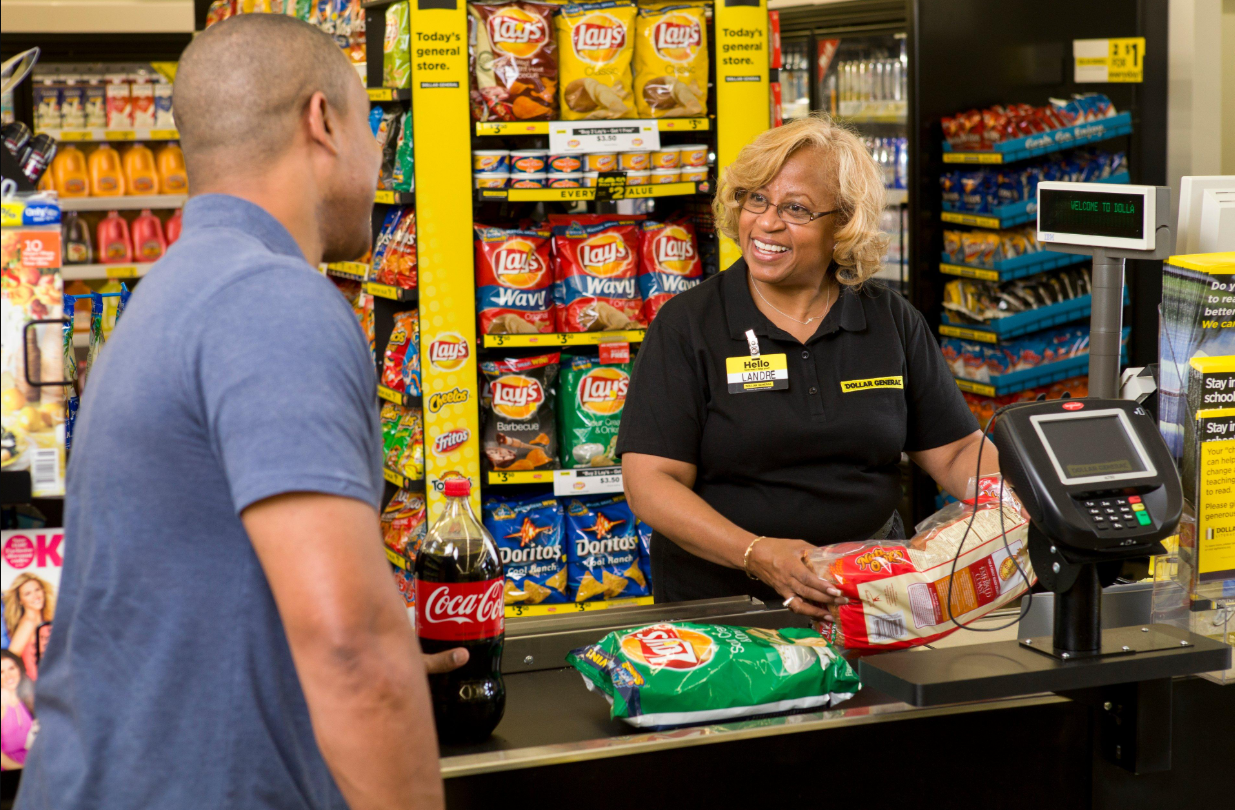
The Dollar Store Overcharging Problem: How Small Checkout Errors Can Drain Your Budget
A bargain can stop being a bargain the moment you reach the checkout counter. You pick up a household cleaner marked at dollar 3.50, add a snack advertised for dollar 2.75, and grab a few everyday essentials. The shelf labels make the total look manageable. But when the cashier scans your items, the receipt shows a higher price for one product, then another. Your final bill is several dollars more than expected.
It is easy to miss the difference of a dollar. You may be in a hurry, have a line of customers behind you, or assume the register must be correct. If you notice the discrepancy after leaving the store, you might decide that returning to dispute a small amount is not worth the trouble.
That is precisely why checkout price accuracy matters to household finances. A single pricing mistake might cost only a few cents or dollar, but repeated errors across multiple purchases can gradually undermine a carefully planned budget.
The issue has received renewed national attention following a major consumer-protection lawsuit filed in October 2026. The Federal Trade Commission (FTC), joined by 20 states, sued Dollar General, alleging that the discount retailer repeatedly charged shoppers more at checkout than the prices displayed on shelves, price tags, and advertisements. The complaint describes alleged pricing problems across thousands of stores and seeks legal and financial remedies.
Dollar General's pricing practices are now the subject of a pending legal case. The allegations have not been established as final court findings, and the outcome remains to be determined.
Nevertheless, the case raises a practical question for anyone trying to stretch a paycheck: How can you make sure the price you agreed to pay is actually the price you are charged?
This guide explains why checkout discrepancies happen, how they can affect your finances, how to check your receipts efficiently, and what you can do when a retailer charges more than its displayed price.
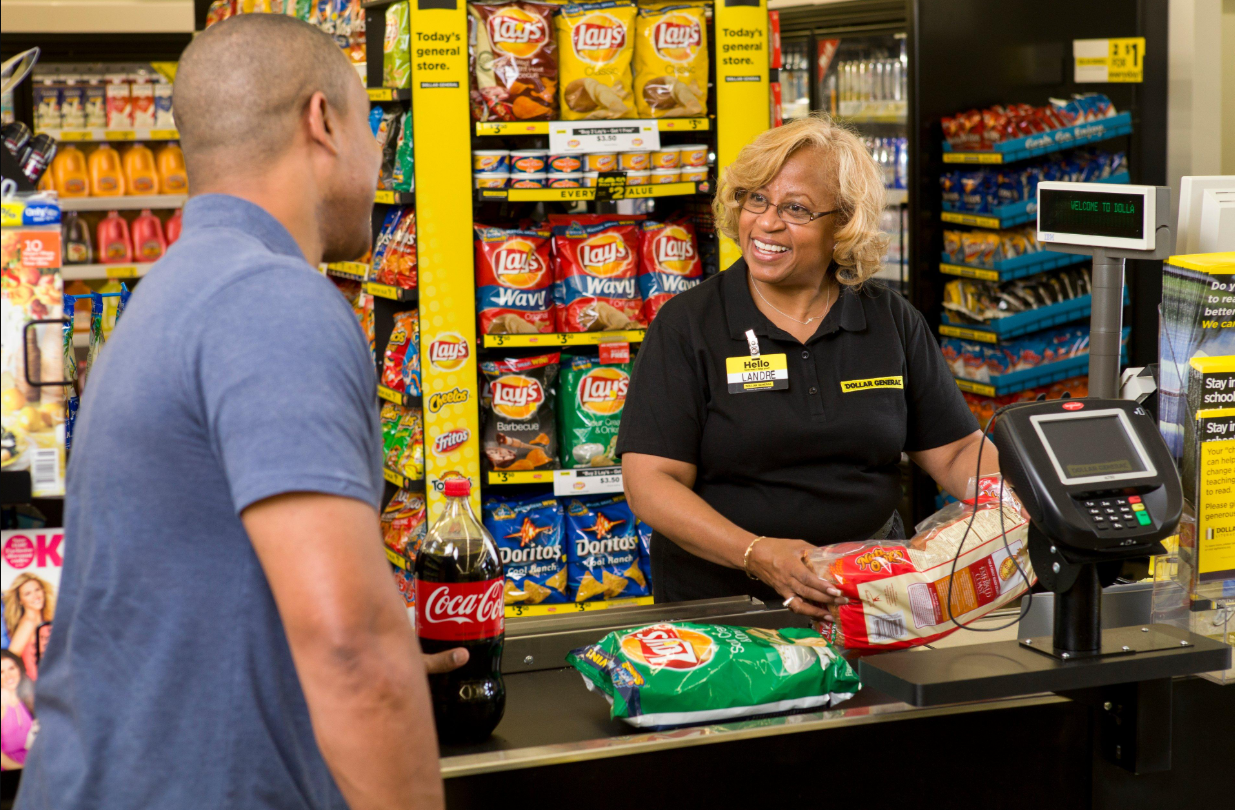
What the Dollar General Lawsuit Means for Shoppers
On October 26, 2026, the FTC and 20 state authorities filed a lawsuit accusing Dollar General of long-running deceptive pricing practices. According to the complaint, the retailer repeatedly charged customers prices above those displayed on shelves, price tags, and advertisements.
Regulators allege that the problem continued despite consumer complaints and indications that the company was aware of recurring pricing discrepancies in dollar. The complaint seeks remedies that may include monetary relief, civil penalties, and a permanent court order addressing the alleged conduct.
The FTC's public case information identifies the matter as pending in federal court in the Middle District of Tennessee.
The distinction between an allegation and a legal finding is important. Filing a lawsuit does not, by itself, establish that every allegation is true. The court will determine the legal outcome based on the proceedings and evidence.
Even so, the case highlights an issue that reaches beyond one retailer: consumers depend on accurate prices in dollar to make informed purchasing decisions.
Discount stores often attract shoppers who are managing tight budgets, purchasing essentials, or trying to avoid higher prices at other retailers. When a displayed price differs from the register price, customers cannot reliably compare products or calculate their expected spending.
The problem can also be difficult to spot. A shopper buying 15 items may reasonably assume that the checkout system will apply the prices advertised in the store. Unless the customer remembers each shelf price, an incorrect charge can blend into the final receipt.
For a household with little financial breathing room, even relatively small discrepancies can matter. The immediate dollar amount may be modest, but the broader issue is whether shoppers can trust the prices they see.
How Small Checkout Errors Become a Budget Problem
Most household budgets are built around estimates. You know approximately how much groceries cost, what you usually spend on cleaning supplies, and how much money remains after rent, utilities, transportation, and other essentials.
Those estimates work best when prices are predictable.
A checkout discrepancy introduces an unexpected expense. If the difference is small, you might absorb it without changing your plans. But repeated discrepancies can make ordinary spending harder to control.
Consider a simple example.
Suppose a shopper makes four trips to a discount store each month. On each trip, three products ring up 50 cents higher than their displayed prices.
That creates an additional $1.50 per trip, or $6 per month. Over a year, the total reaches $72.
Now imagine a household shopping more frequently or purchasing more affected products. The additional amount could be higher.
These figures are illustrative, not estimates of the average overcharge at any retailer. They demonstrate how repeated small discrepancies can accumulate.
Example shopping pattern | Additional cost |
|---|---|
One incorrect charge of $0.50 | $0.50 |
Three incorrect charges of $0.50 in one trip | $1.50 |
$1.50 in discrepancies across four monthly trips | $6 per month |
The same pattern over 12 months | $72 per year |
The larger financial concern is that unplanned costs compete with other priorities. A few dollars spent unexpectedly could otherwise go toward transportation, groceries, savings, or another necessary purchase.
The effect is especially frustrating when shoppers choose a discount retailer specifically because they believe it will help them spend less.
There is another hidden cost: time. Identifying a discrepancy, finding an employee, waiting for a price check, and requesting a correction can turn a quick shopping trip into a longer errand.
Consumers should not have to investigate every item as if they were conducting an audit. But a few simple habits can make pricing errors easier to detect and resolve.
Why Shelf Prices and Register Prices Can Differ
Not every price mismatch has the same explanation. Understanding the possible causes can help you determine what to ask when something rings up incorrectly.
1. Outdated shelf labels
Retailers regularly change prices because of promotions, supplier costs, product changes, and other business decisions. When a price changes in the checkout system but the shelf label is not updated, customers may see one price and be charged another.
This is one of the central issues raised in the Dollar General lawsuit. Regulators allege that pricing discrepancies persisted despite procedures intended to keep displayed prices consistent with register prices.
A store's internal explanation does not automatically resolve the consumer's concern. If the shelf displays one price and the register charges another, ask an employee to check the discrepancy and explain which price applies.
2. Expired promotions
A promotional sign may remain visible after the offer has ended. A customer might reasonably believe the advertised price is still available, particularly if the sign does not clearly show its expiration date.
Before buying an item with a special offer, look for the promotion's dates and conditions. Check whether the discount requires a particular quantity, membership, coupon, or combination of products.
If the offer appears current but the register does not apply it, ask the store to verify the terms.
3. Incorrect or misplaced tags
Sometimes a label belongs to a nearby product rather than the item you selected. Similar packaging, crowded shelves, and products placed in the wrong location can make this mistake difficult to spot.
Check the size, flavor, quantity, model, or other product details before relying on a displayed price. A price for a smaller package, for example, may not apply to a larger one.
If the label clearly corresponds to your item, take note of its location and ask staff to confirm the correct price.
4. Scanning or product-code problems
A barcode can connect a product to the wrong entry in a retailer's system. A similar product may have a different price, or an item may be listed incorrectly in the point-of-sale database.
This does not necessarily indicate deliberate misconduct. Retail systems can contain ordinary errors. However, customers should still be able to raise a discrepancy and request a review.
5. Confusing unit prices and package prices
Some products display a price per ounce, pound, or individual unit alongside the total package price. Shoppers who overlook the distinction may think they have found a lower price than the one actually charged.
For example, a shelf label may show a per-ounce comparison figure in larger or more prominent text than the total price. Read the complete label before comparing it with the receipt.
6. Discounts that do not apply automatically
Certain promotions require a digital coupon, a qualifying purchase, or a specific checkout action. If the requirements have not been met, the discount might not appear.
Before completing the purchase, review the conditions. If you believe you qualified, show the cashier the offer and ask why it did not apply.
The important distinction is that some differences result from understandable confusion or technical mistakes, while others may raise more serious consumer-protection concerns. The specific circumstances and applicable law determine how a dispute should be handled.
How to Check Your Receipt Without Turning Shopping Into Homework
You do not need to compare every purchase against a spreadsheet. A short, repeatable routine can catch many pricing discrepancies without adding much time to your day.
Step 1: Pay attention to prices on a few key items
During shopping, make a mental note of the prices of items that are expensive relative to your basket or that have prominent promotional signs.
You do not have to memorize the price of every candy bar or bottle of detergent. Focus on products with sale labels, recently changed prices, or a meaningful effect on your total.
Step 2: Watch the register when practical
If the screen displays item prices, glance at it as your products are scanned. This is often the easiest time to spot a mismatch because the shelf label may still be nearby and the item is easy to identify.
If the store is busy, do not feel pressured to monitor every scan perfectly. You can also review the receipt afterward.
Step 3: Check the receipt before leaving
Look for three things:
- Whether the listed products and quantities match what you purchased.
- Whether promotional discounts appear where expected.
- Whether any item price looks higher than the price you remember seeing.
Also check for duplicate scans. A repeated product entry can increase your bill even when the individual item's price is correct.
Step 4: Keep proof when something looks wrong
If you notice the problem before leaving the aisle, photograph the shelf label and the product together when permitted. Make sure the price and relevant product details are readable.
Keep the receipt. If you discover the problem later, write down the store location, purchase date, product, displayed price, and amount charged.
A photo is useful, but it is not always essential. A receipt and a clear explanation may be enough to start a conversation with the store.
Step 5: Ask for a correction promptly
Approach the cashier, customer-service desk, or manager and explain the difference calmly.
For example: "The shelf label showed $3.50, but my receipt lists $4.25. Could you check the price and correct the charge if the shelf price applies?"
This gives the store an opportunity to inspect the label and determine what happened. If the discrepancy cannot be resolved immediately, ask how to contact customer service and retain any reference number you receive.
Step 6: Review the final adjustment
If the store issues a refund or changes the transaction, verify that the adjustment reflects the disputed amount. Keep the updated receipt or refund confirmation.
A verbal assurance is less useful than a clear record of the outcome, especially if you later need to follow up.
The goal is not to become suspicious of every retailer. It is to make sure a price discrepancy does not go unnoticed simply because checking it seems inconvenient.
What to Do When a Store Charges More Than the Shelf Price
The right response depends on where you live, the type of retailer, the displayed offer, and the applicable consumer-protection rules. There is no single nationwide rule that guarantees a particular remedy for every shelf-price mismatch.
Still, the following approach is a useful starting point for shoppers in the United States.
Start with the store
Show the receipt and, if available, a photo of the shelf label or advertisement. Explain the difference and ask the store to honor the applicable price or refund the overcharge.
If the first employee cannot help, request a manager or ask for the store's customer-service contact information.
Remain factual. State what the label showed, what the receipt charged, and why you believe the price was incorrect. This is usually more productive than arguing about the retailer's intentions.
Contact the company's customer-service team
If the store does not resolve the issue, contact the retailer through its official customer-service channels.
Include the purchase date, store location, product description, displayed price, charged price, and copies of supporting evidence. Avoid sending unnecessary personal or payment information.
Ask for a specific outcome, such as a refund of the difference or a written explanation.
Consider a complaint to the relevant regulator
If the problem remains unresolved, or if you notice repeated pricing discrepancies, you may wish to submit a complaint to the appropriate consumer-protection authority.
In the United States, the Federal Trade Commission accepts reports about potentially deceptive business practices through ReportFraud.ftc.gov. State attorneys general and state consumer-protection offices may also accept complaints about retail pricing.
The FTC does not resolve every individual billing dispute, and submitting a complaint does not guarantee a personal refund. However, reports can help authorities identify patterns and decide whether further action is warranted.
For the Dollar General case specifically, consumers can follow developments through the FTC's official case information page.
Understand your state's pricing laws
Some states have laws or regulations addressing advertised prices, scanner accuracy, or remedies for certain overcharges. Others may provide different complaint procedures or requirements.
The availability of a refund, statutory damages, a penalty, or another remedy can depend on the specific law and circumstances. Do not assume that a retailer must always give you a free product or pay a particular amount simply because the register price was higher.
If a discrepancy involves a substantial sum or a recurring pattern, consult your state's consumer-protection agency or a qualified legal professional.
Does the Dollar General Case Mean Every Pricing Error Is Illegal?
No. A price mismatch does not automatically prove unlawful conduct.
Retail stores operate complex pricing systems, and isolated mistakes can occur. Whether a discrepancy violates the law may depend on factors such as how the price was displayed, whether an advertisement was still valid, the retailer's conduct, the relevant state law, and the facts surrounding the transaction.
The Dollar General lawsuit is more specific. The FTC and participating states allege that the company engaged in recurring practices that went beyond isolated mistakes and that it failed to address the problem adequately. Those claims will be evaluated through the legal process.
This distinction matters for consumers because it keeps the response proportional to the evidence.
If one item rings up incorrectly, ask the store to investigate and correct the transaction if appropriate. If several products repeatedly scan above their displayed prices, document the pattern and consider escalating the issue.
Repeated discrepancies do not automatically establish intentional deception, but they can justify closer scrutiny and a formal complaint.
Likewise, a pending lawsuit does not mean every customer who has shopped at the retailer is entitled to compensation. Any restitution or refund process would depend on the case's outcome and the terms of any court-ordered or negotiated remedy.
Consumers should rely on official announcements rather than unsolicited messages or websites promising automatic payments related to the lawsuit. Be particularly cautious about requests for upfront fees, passwords, or sensitive financial information.
The Psychology Behind the Checkout Price Shock
Price discrepancies can be surprisingly difficult to notice because shopping involves more than arithmetic.
Shoppers rely on expectations
When you select a product with a clearly displayed price, you usually form an expectation about what it will cost. At checkout, you may pay attention to the overall total rather than verifying every individual scan.
That is normal behavior. Most people are trying to complete an errand, not inspect a retailer's pricing system.
Small differences attract less attention
A 40-cent discrepancy may not seem significant enough to interrupt a transaction. But if several products have similar differences, the total can become more meaningful.
This is one reason checking the receipt matters: the full cost is easier to evaluate when you can see the individual charges together.
A long line creates pressure
When other customers are waiting, asking for a price check may feel awkward. Some shoppers would rather pay the difference than hold up the line.
You do not need to confront anyone or create a scene. If you notice an issue, you can ask politely for assistance or return to the customer-service desk afterward.
Discount-store branding can influence decisions
People shop at discount stores because they expect value. A low advertised price can make a purchase feel safe, particularly when a household is trying to control expenses.
But a low price on the shelf is only useful if the transaction reflects the applicable offer. Comparing the actual charge with the displayed price helps protect the savings you intended to achieve.
How to Protect Your Budget on Every Shopping Trip
You can make checkout accuracy part of your normal money routine without spending more time than necessary.
Set a realistic shopping total
Before leaving home, estimate what you expect to spend. If you regularly purchase the same essentials, use previous receipts as a guide.
A budget estimate will not identify every incorrect price, but it can help you recognize when the final total is unexpectedly high.
Prioritize promotional products
Sale items deserve extra attention because promotions may have expiration dates, quantity requirements, or conditions.
If a product is advertised at a special price, check the terms and confirm that the discount appears on the receipt.
Compare prices on frequently purchased essentials
For products you buy regularly, keep track of typical package sizes and prices. This can help you spot both genuine price increases and possible scanning errors.
Be careful to compare equivalent products. A lower package price does not always represent better value if the package contains less.
Keep receipts until you have checked them
You do not need to retain every receipt forever. For ordinary purchases, keep it long enough to review the charges and resolve any issue.
For larger purchases, returns, warranties, or disputed transactions, retain receipts according to the circumstances and relevant policies.
Include a small margin in your budget
A modest cushion can make unexpected expenses easier to absorb, although it is not a substitute for accurate pricing.
If your budget is already tight, do not interpret an overcharge as a failure to plan. The point of budgeting is to make informed decisions with the information available, not to predict every error made by a retailer.
Compare the total cost, not just the shelf price
A bargain is valuable when the actual price, quantity, quality, and usefulness make sense for your household. If you repeatedly encounter discrepancies at a particular store, consider whether another retailer offers more reliable pricing or a better overall value.
The cheapest-looking option is not automatically the least expensive one once the complete transaction is considered.
What Retailers Can Do to Prevent Pricing Problems
Accurate checkout prices should not depend entirely on consumers remembering shelf labels.
Retailers can reduce discrepancies by synchronizing register prices and shelf tags, reviewing promotional changes, auditing high-risk items, and making it easy for employees to correct mistakes.
They can also improve training and staffing so that workers have enough time to replace outdated labels and respond to customer concerns.
Technology may help, but digital systems are not automatically accurate. A price can be wrong in a database just as easily as it can be printed incorrectly on a shelf label. Stores need processes that detect and correct errors rather than simply transferring prices from one system to another.
Clear policies for handling disputes can also improve customer confidence. When an employee can quickly verify a price and explain the result, a small mistake is less likely to become a larger customer-service problem.
The broader lesson from the Dollar General case is that pricing accuracy is not merely a technical detail. For a retailer that promotes low prices, it is part of the value customers expect to receive.
How This Fits Into Your Bigger Financial Picture
It may seem strange to spend time worrying about a few cents when housing, food, transportation, and other household expenses can cost hundreds or thousands of dollars. But practical money management is built from a series of decisions, including small ones.
That does not mean every minor discrepancy deserves an extended dispute. Your time has value, too. A useful approach is to notice clear errors, request reasonable corrections, and escalate recurring problems when the potential benefit justifies the effort.
The broader principle is to pay attention to where your money goes without turning daily life into a constant financial investigation.
For more personal-finance guidance, Finiuo covers consumer spending and everyday financial decisions. Readers looking into the legal side of consumer disputes can explore Jurnza, while Dryzen Royal offers a separate focus on dry fruits and nutrition. Each serves a different purpose, but the common theme is making better-informed choices with the money and resources available to you.
A reliable budget is not simply a list of spending limits. It also depends on having accurate information about what purchases actually cost.
Conclusions
The Dollar General lawsuit has brought a straightforward but important consumer issue into the spotlight: the price displayed on a shelf should not be casually treated as unrelated to the price charged at checkout.
The FTC and 20 states allege that Dollar General repeatedly charged customers more than advertised prices and failed to adequately address the problem. The case is pending, and the allegations have not yet been established as final court findings. Its eventual outcome will determine what legal remedies, if any, are appropriate.
For shoppers, however, the practical lesson does not depend on the outcome of one lawsuit. Checking receipts, paying attention to promotional terms, documenting obvious discrepancies, and asking for corrections are sensible habits that can help protect a household budget.
A single pricing mistake may cost very little. Repeated mistakes can add up, and they can make it harder to trust the prices used to plan a shopping trip.
You do not need to inspect every purchase obsessively or assume that every retailer is acting dishonestly. Just stay alert to clear discrepancies, keep useful records, and know where to seek help when a store does not resolve a problem.
The goal is simple: when you choose a product because of its price, make sure you understand what you are actually paying before that small checkout surprise becomes another avoidable expense.