

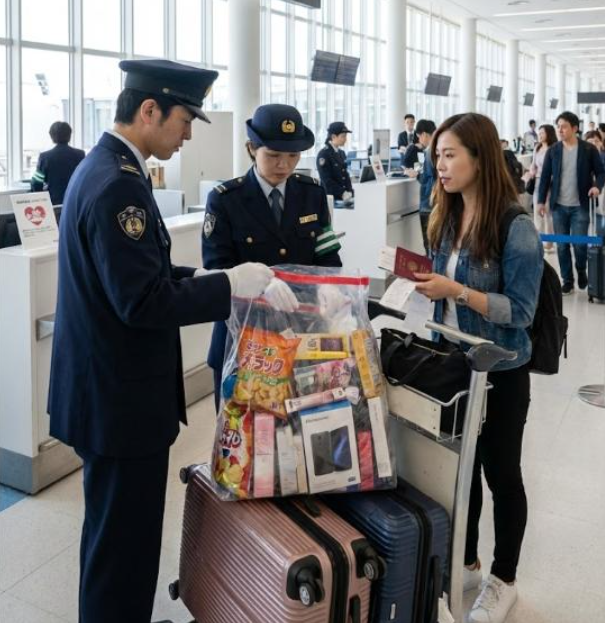
Duty-Free Doesn't Always Mean Cheaper: The Shopping Trap Travelers Miss
Airport shopping has a powerful appeal. You pass through security, walk into a brightly lit duty-free store, and see perfumes, cosmetics, watches, chocolates, sunglasses, and luxury goods advertised as special travel bargains. Some products come with promotional signs, exclusive packaging, or prices that appear lower than what you would pay at home.
The name itself sounds reassuring. If the goods are duty-free, surely they must be cheaper.
Not necessarily.
Duty-free shopping can offer genuine savings, particularly on certain products and routes. But the absence of particular taxes or duties does not guarantee the lowest final price. Airport retailers have their own operating costs, brands may set different prices across markets, and promotions can make comparisons surprisingly difficult. Currency conversion, baggage restrictions, product sizes, and impulse purchases can further reduce the value of an apparent bargain.
For travelers, the financial trap is not simply paying too much for a bottle of perfume or a box of chocolates. It is assuming that a purchase must be worthwhile because it is being sold at an airport under the duty-free label.
A product can be tax-exempt in one respect and still cost more than an equivalent product elsewhere. A discount can be genuine without being exceptional. And a deal can save you money on the item while encouraging you to spend money you never intended to spend.
Understanding how duty-free pricing works makes it easier to recognize real bargains, avoid unnecessary purchases, and make better use of your travel budget.
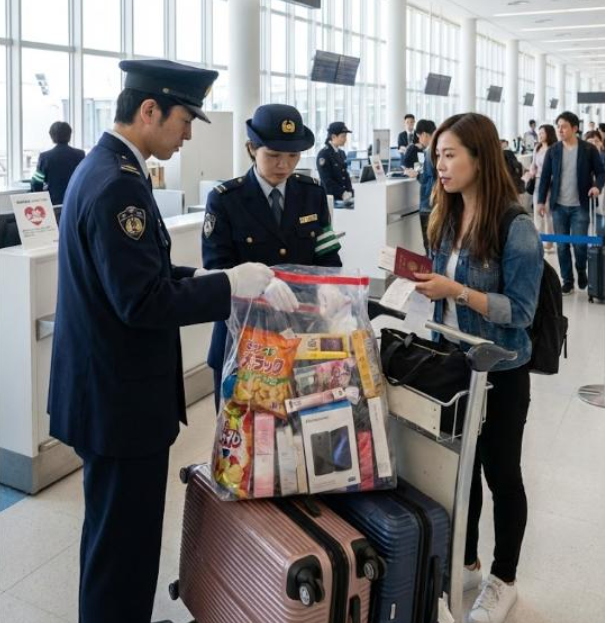
What Does Duty-Free Actually Mean?
Duty-free shops sell certain goods without particular customs duties or taxes that would otherwise apply under the relevant rules. They commonly operate in international airports and other authorized travel locations.
The precise treatment depends on the country, the product, and the circumstances of the sale. Duty-free status does not mean that every tax is automatically removed in every situation, nor does it guarantee that the retailer passes the full tax advantage to the customer.
The distinction matters because shoppers often treat “duty-free” as another way of saying “cheapest available.”
In reality, duty-free describes a tax treatment, not a universal price guarantee.
Consider a hypothetical fragrance that normally sells for $100 in a particular market. If a retailer removes a tax that would otherwise apply, the selling price might fall. But the final price depends on the tax rate, the retailer's pricing strategy, supplier arrangements, and other costs.
The retailer might sell the fragrance for $90, $95, or even more than the ordinary retail price in another location. Without comparing equivalent products, the buyer cannot know whether the airport price is competitive.
There is also a difference between duty-free shopping and ordinary tax-free or tax-refund shopping.
Some destinations allow eligible visitors to claim a refund of certain taxes on qualifying purchases made within the country. That process can involve documentation, minimum purchase requirements, deadlines, and verification before departure. A duty-free shop, by contrast, generally sells qualifying goods under a specific customs or tax arrangement.
The two systems can both provide savings, but they are not interchangeable.
The practical lesson is simple: understand what the price actually includes and compare the amount you will pay rather than relying on the store's label.
Why Duty-Free Products Are Not Always Cheaper
Several factors explain why an airport shop can advertise duty-free goods without offering the lowest available price.
1. Retailers control their pricing
Removing a particular duty or tax reduces one potential cost, but it does not determine the final selling price.
Retailers still have expenses such as rent or concession fees, staffing, logistics, inventory management, and security requirements. Their pricing decisions may also reflect the brands they sell, customer demand, and competition at the airport.
Some retailers pass a substantial portion of a tax advantage to customers. Others may offer smaller savings, depending on the product and market.
This is why two airport stores selling similar products can offer different prices even when both operate under duty-free arrangements.
The word “duty-free” tells you something about the transaction. It does not tell you how much the retailer has chosen to charge.
2. Airport shopping has a captive audience
Airport retailers serve travelers who may have limited time and few convenient alternatives. Once passengers pass through security, they cannot necessarily visit ordinary shops outside the terminal without leaving the secure area and going through the relevant procedures again.
That environment can reduce the incentive to compare prices.
A traveler may have only 30 minutes before boarding, may not have reliable internet access, or may simply want to finish shopping before heading to the gate. The convenience can make a slightly expensive product feel acceptable.
Retailers know that convenience has value. In some cases, customers are willing to pay for immediate access rather than search for a better price.
This does not mean airport shops are always overpriced. It means the shopping environment makes independent comparison particularly important.
3. Brands use different prices in different markets
International brands may sell the same product at different prices across countries and retailers.
Those differences can reflect local taxes, exchange rates, distribution expenses, import costs, competition, and regional pricing strategies. Packaging and product specifications can also vary between markets.
As a result, a fragrance that appears cheaper at an airport may be more expensive than the same fragrance at a major online retailer or during a promotion at a department store.
The comparison becomes even more complicated when the products are not identical. A gift set, limited-edition package, or larger bottle may have a different unit price from the standard product.
Before deciding that a deal is attractive, verify the exact product name, size, model, and included accessories.
4. The advertised saving may use a misleading comparison
A sign might claim that a product is 20% cheaper than a recommended retail price. That figure is useful only if the reference price is relevant to what shoppers can actually pay.
The advertised comparison may not reflect current promotional prices available elsewhere. A product's ordinary list price can be much higher than the price at which retailers commonly sell it.
For example, a product advertised at $80 with a stated regular price of $100 appears to offer a 20% saving. But if reputable retailers regularly sell the same product for $75, the airport offer is not the bargain it first appears to be.
The discount may be calculated correctly against the stated reference price while still being less competitive than the alternatives.
Always compare the final price with realistic market prices, not just the number printed on a promotional sign.
Which Products Can Offer Genuine Duty-Free Savings?
Some product categories are more commonly associated with duty-free shopping than others. But there is no universal list of products that are always cheaper at airports.
Prices vary by airport, country, retailer, brand, travel route, and promotion. Even within the same category, one item can be a good deal while another is poor value.
Perfume and cosmetics
Fragrances and beauty products are among the most familiar duty-free purchases. Airport shops often stock well-known brands, gift sets, travel exclusives, and products designed for international travelers.
Savings are possible, particularly when a retailer offers a competitive price on a product that rarely receives discounts elsewhere.
However, fragrance pricing can be difficult to compare because retailers sell different bottle sizes, concentrations, gift sets, and limited editions. A larger package may appear more expensive but offer a lower cost per milliliter. A gift set may include useful products or items the buyer does not actually want.
To compare prices accurately, calculate the cost per unit of volume when appropriate and check the exact fragrance concentration and product version.
Do not assume that a bundle is better value simply because it includes more items. If you would never purchase the extra products individually, their inclusion may not provide meaningful savings.
Alcohol and tobacco
Alcohol and tobacco have historically been prominent duty-free categories because customs duties and excise taxes can represent a significant part of their retail prices in some markets.
But the potential saving depends on the product, route, and applicable rules. Travelers must also comply with destination-country allowances, age restrictions, declaration requirements, and other import regulations.
An attractive airport price can become much less appealing if the traveler exceeds an allowance and must pay applicable duties or taxes.
Before purchasing, check the destination's official customs rules. Do not assume that a product purchased duty-free can automatically be brought into every country without additional charges.
For alcohol and tobacco, legal allowances and import requirements matter as much as the shelf price.
Chocolates and confectionery
Airport chocolate displays often feature gift boxes, travel-themed packaging, and promotional bundles. These products can be convenient when you need a gift at short notice.
However, chocolates are also widely available in supermarkets, specialty stores, and online shops. Their ordinary retail prices may be substantially lower than airport prices.
Compare the weight of the package, the type of chocolate, and the final cost. A large-looking box may contain less product than expected because of decorative packaging or individually wrapped pieces.
If you are buying chocolates as gifts, convenience may justify paying a little more. But if your objective is strictly to save money, an airport purchase is not automatically the best choice.
Watches, jewelry, and luxury accessories
Luxury products can involve large amounts of money, making price comparison especially important.
An airport retailer might offer a competitive price on a particular watch or accessory. Yet the same brand may have authorized dealers, seasonal promotions, regional pricing, or different models available elsewhere.
Compare the exact model number, warranty coverage, included accessories, and seller authorization. A product that looks identical may differ in specifications or regional warranty support.
For expensive purchases, the cost of getting the decision wrong is greater than the inconvenience of doing a little research.
If a luxury product is significantly cheaper than comparable offers, investigate why before buying. A large discount does not automatically mean something is wrong, but it deserves verification.
Electronics and travel gadgets
Headphones, cameras, chargers, smartwatches, and other electronics may be available in airport shops, sometimes with promotional pricing.
However, electronics are not universally cheaper duty-free. Competition from online retailers, seasonal sales, manufacturer promotions, and regional product variations can make prices differ substantially.
Check the model number, warranty, plug or charging compatibility, accessories, and local support arrangements. Confirm that the product is new and that the advertised price includes any relevant charges.
If the device is available online for less, an airport purchase may offer little value unless immediate availability or another benefit matters to you.
The Hidden Cost of Currency Conversion
International travel often introduces an additional complication: prices may be displayed in a currency different from the one you use at home.
A product priced in euros, pounds, dollars, or another currency can look like a bargain until you calculate what it will actually cost in your own currency.
Exchange rates change, and the rate used by your bank or card issuer may differ from the rate displayed in a currency-conversion app. Foreign-transaction fees or other charges may also apply, depending on your card and account terms.
Suppose an airport product costs €90. If the exchange rate is $1.10 per euro, the approximate converted amount is $99 before any fees. If your card applies a 3% foreign-transaction fee, the effective cost could rise to about $102.
These numbers are illustrative. Your actual rate and charges will depend on the transaction and your payment provider.
The difference may seem small, but it can affect whether a purchase is cheaper than buying the same product at home.
Be cautious when offered payment in your home currency
Some international merchants and payment terminals offer to charge a card in the customer's home currency rather than the local currency. This is commonly called dynamic currency conversion.
The offer may appear helpful because the customer sees the amount in familiar terms. However, the conversion rate and associated costs may be less favorable than the rate available through the card issuer.
Before accepting, compare the displayed exchange rate and fees with the terms of your card. Paying in the local currency is often a reasonable default when dynamic conversion would impose a less favorable rate, but the best option depends on the actual charges.
Do not choose the home-currency option simply because it feels easier to understand.
Include every relevant charge
When comparing an airport price with an online or domestic price, consider:
- The product's advertised price.
- The currency conversion rate.
- Foreign-transaction fees, if applicable.
- Shipping or delivery costs for alternatives.
- Any taxes or duties that apply to the alternative purchase.
- Possible import charges when bringing the product into another country.
The objective is to compare the total amount you will pay, not a headline figure that leaves out important costs.
The Baggage and Customs Rules That Can Change the Deal
A product can be cheaper at the airport and still create complications if you cannot transport it easily or bring it legally into your destination.
Travelers often assume that duty-free purchases are exempt from the ordinary restrictions that apply to baggage and imports. That assumption can be costly.
Liquid restrictions and sealed security bags
Liquids purchased in airport shops may be subject to specific security procedures, particularly when travelers have connecting flights.
Duty-free liquids may be placed in a tamper-evident security bag with the receipt enclosed. Travelers should keep the bag sealed and follow the instructions provided by the retailer, airport security, and relevant authorities.
Requirements can vary by airport, airline, and route. A bag accepted at the departure airport may still require inspection at a transfer point.
If you have a connection, check the applicable transit-security rules before purchasing large bottles of perfume, alcohol, or other liquids. Do not rely solely on what worked during a previous trip.
Customs allowances still matter
Duty-free shopping does not eliminate every import restriction.
Destination countries set their own rules for alcohol, tobacco, perfume, gifts, and other goods. Some allowances depend on age, length of travel, residency, or the route taken. Certain products may have limits on quantity or value, and some goods must be declared even if they were purchased duty-free.
If you exceed a permitted allowance, additional duties or taxes may apply. Some items may also be restricted or prohibited.
Before purchasing substantial quantities, consult the official customs authority for your destination. Airport staff can provide useful information, but the rules governing entry into the destination country are the key consideration.
Consider the value of your luggage space
Bulky products can take up valuable luggage space, while fragile items may require extra protection. A purchase may also add weight or force you to reorganize your baggage.
If your airline imposes baggage weight limits, the practical cost of carrying an item may include an additional baggage charge or the inconvenience of leaving something else behind.
These costs do not necessarily make duty-free shopping a bad idea. They simply belong in the decision.
A good bargain should remain attractive after you account for getting the product home safely and legally.
The Psychology of Airport Shopping
Airport shopping is not just about prices. It is also about timing, emotions, and the environment in which travelers make decisions.
People often arrive at airports with time to spare, heightened excitement, or the desire to buy gifts before a trip ends. They may be celebrating a holiday, returning from a special occasion, or looking for a small luxury they would not normally purchase.
Retailers use attractive displays, prominent promotions, and convenient locations to make shopping appealing in these circumstances.
The holiday mindset
Travel can temporarily change how people think about money. A purchase may feel like part of the travel experience rather than an ordinary expense.
Someone who carefully compares prices at home might buy a luxury fragrance at an airport because it feels like a special treat. That is not necessarily a mistake. Spending money on enjoyable experiences and personal rewards can be a reasonable choice.
The problem arises when the buyer confuses enjoyment with savings.
If you want a product because you enjoy it and can comfortably afford it, you may decide that paying a little more is worthwhile. But if you buy it mainly because the display suggests that the price is unusually low, you should verify the claim.
Recognizing the difference helps you avoid justifying a discretionary purchase as a financial win when its main benefit is enjoyment.
Time pressure discourages comparison
Airports are full of deadlines. Travelers monitor boarding announcements, check departure gates, manage carry-on luggage, and navigate unfamiliar terminals.
Even when a passenger has time available, the possibility of missing a flight can create a sense of urgency.
That pressure makes it harder to research a product carefully. A shopper may accept the first price they see, especially when the retailer presents the item as a special deal.
A useful strategy is to research expensive or planned purchases before arriving at the airport. Save the product name, model number, and ordinary market price on your phone.
That way, you can recognize a competitive offer without conducting all the research while watching the boarding clock.
“I am already here” is not a reason to buy
Airport shops can make products feel unusually convenient. You are already passing the store, the item is available immediately, and you may have money left in your travel budget.
But being near a product does not make it necessary.
Before buying, ask yourself whether you would visit a regular store to purchase the same item at the same price. If not, the airport environment may be doing more of the persuading than the product itself.
A Step-by-Step Method for Finding Genuine Duty-Free Deals
You do not need to avoid airport shopping altogether. Instead, use a simple process to determine whether a product is genuinely competitive.
Step 1: Decide what you want before entering the store
Make a short list of products you actually intend to buy. This might include a fragrance you already use, a gift for a family member, or a particular item you have been comparing.
A list provides a reference point when attractive displays and promotions compete for your attention.
It also helps separate planned shopping from purchases that appear appealing only because they are immediately available.
Step 2: Check ordinary retail prices
Before traveling, search for the exact product at reputable retailers. Compare the model, size, concentration, packaging, and included accessories.
Use current prices rather than relying only on the manufacturer's suggested retail price. If a product is frequently discounted online, its ordinary list price may not be a useful benchmark.
For expensive items, compare several credible sellers and pay attention to warranty coverage and return conditions.
Step 3: Calculate the final airport price
Convert the airport price into your home currency using a realistic exchange rate. Account for any relevant card fees and other costs.
If the airport advertises a bundle, calculate the value of the components you would actually use. Do not automatically assign full value to products you would never purchase separately.
Step 4: Compare equivalent products
A meaningful comparison requires the same product or genuinely comparable alternatives.
For fragrances, check bottle size and concentration. For electronics, check the exact model and warranty. For watches, confirm the reference number and included accessories.
If the airport product differs from the item available elsewhere, the price difference may reflect a real difference in what you are buying.
Step 5: Check customs and transport requirements
Before purchasing restricted or bulky goods, verify the relevant import allowances, transit-security procedures, and baggage conditions.
This is especially important for alcohol, tobacco, liquids, and high-value purchases. A price advantage can be reduced or eliminated if the item triggers additional costs or cannot be transported as expected.
Step 6: Calculate the actual saving
Use a straightforward formula:
Actual saving = Comparable alternative price − Total airport purchase cost
If the result is positive, the airport purchase is cheaper under the assumptions used. If the result is negative, the airport option costs more.
For example, suppose the same fragrance costs $105 at a domestic retailer and $95 at the airport after currency conversion and relevant fees. The airport price offers a $10 saving.
But if the domestic retailer has a promotion that reduces its price to $89, the airport purchase is now $6 more expensive.
Both comparisons can be mathematically correct. The difference comes from using realistic prices rather than assuming that the duty-free label establishes the best deal.
Step 7: Decide whether the saving justifies the purchase
Even a genuine saving does not mean you need the product.
If you save $15 on an item you already planned to buy, that may be a useful benefit. If you spend $80 on something you never wanted, the purchase has increased your spending by $80 despite the advertised discount.
A discount can improve a purchase decision, but it cannot replace the need for one.
Is Duty-Free Shopping Worth It for Budget-Conscious Travelers?
It can be, provided that travelers treat duty-free shopping as one retail option rather than an automatic source of bargains.
For a planned purchase, comparing airport prices with reputable alternatives can reveal genuine savings. Duty-free stores may also be useful when you need a gift at the last minute or want access to a product that is difficult to find elsewhere.
The calculation changes when the purchase is spontaneous.
A traveler who spends $120 on products they had not planned to buy has spent $120, even if the retailer claims that the items would ordinarily cost $150. The advertised $30 difference does not mean the traveler has gained $30.
This distinction is central to consumer finance: a discount reduces the cost of a purchase; it does not turn an unnecessary purchase into income.
Budget-conscious travelers can prepare a shopping allowance before departure. The amount should reflect their financial circumstances and travel priorities. Some people may decide to purchase nothing at the airport, while others may reserve money for a particular fragrance, gift, or souvenir.
There is no single correct approach. The objective is to make the decision intentionally rather than allowing the shopping environment to determine it.
For broader consumer-money guidance, readers can explore Finiuo. Travelers with questions about consumer rights, misleading advertising, or purchase disputes can also explore Jurnza. For food and nutrition-related reading, Dryzen Royal offers a separate collection of topics.
The same principle applies across these decisions: know the real cost, understand the terms, and spend according to your priorities.
Common Duty-Free Shopping Mistakes to Avoid
Several mistakes can make airport shopping more expensive than travelers expect.
Assuming every duty-free item is cheaper. The tax treatment does not establish that the final price beats competing retailers.
Comparing against the suggested retail price alone. A product's ordinary market price may be lower than the reference price displayed in an airport store.
Ignoring currency conversion. An attractive foreign-currency price can become less appealing after conversion and applicable fees.
Buying a bundle without checking its contents. Extra products have little financial value if you do not need or want them.
Confusing the size of a discount with the quality of the deal. A large advertised percentage may still produce a higher final price than a competing offer.
Forgetting customs allowances. Goods bought duty-free may still be subject to destination-country limits, declarations, or taxes.
Ignoring transit restrictions. Liquids and other purchases may require special handling during connecting flights.
Buying under time pressure. Rushing can make it difficult to verify prices, product details, and return conditions.
Treating every purchase as a travel reward. Enjoyment is a valid reason to spend money, but it is different from saving money.
Avoiding these mistakes does not require expert knowledge. It requires a little preparation and a willingness to walk away when the numbers do not work.
Conclusions
Duty-free shopping can provide genuine value, but it is not a guarantee of the lowest price. The term describes a particular tax arrangement, while the final retail price still depends on the product, retailer, market, and other costs.
Perfumes, cosmetics, alcohol, chocolates, watches, and electronics may offer attractive deals at some airports. Yet prices vary considerably, and shoppers need to compare equivalent products rather than rely on promotional signs or suggested retail prices.
Currency conversion, card fees, customs allowances, baggage restrictions, and transit-security rules can also affect the overall value of a purchase. These details are particularly important when buying expensive goods or carrying products across international borders.
The strongest approach is to plan purchases in advance, check ordinary market prices, calculate the full cost, and verify the relevant travel rules. If the airport price is genuinely competitive and the product meets a real need, buying it may be sensible.
But if the only reason for purchasing something is that it is labeled duty-free, take a moment to reconsider.
A real bargain is not simply an item sold in an airport without certain duties. It is a product you actually want, offered at a competitive total price, with no hidden costs that undermine the saving.
The smartest airport shopper is not the person who buys the most duty-free products. It is the person who knows when a deal is worth taking—and when to keep walking toward the gate.