

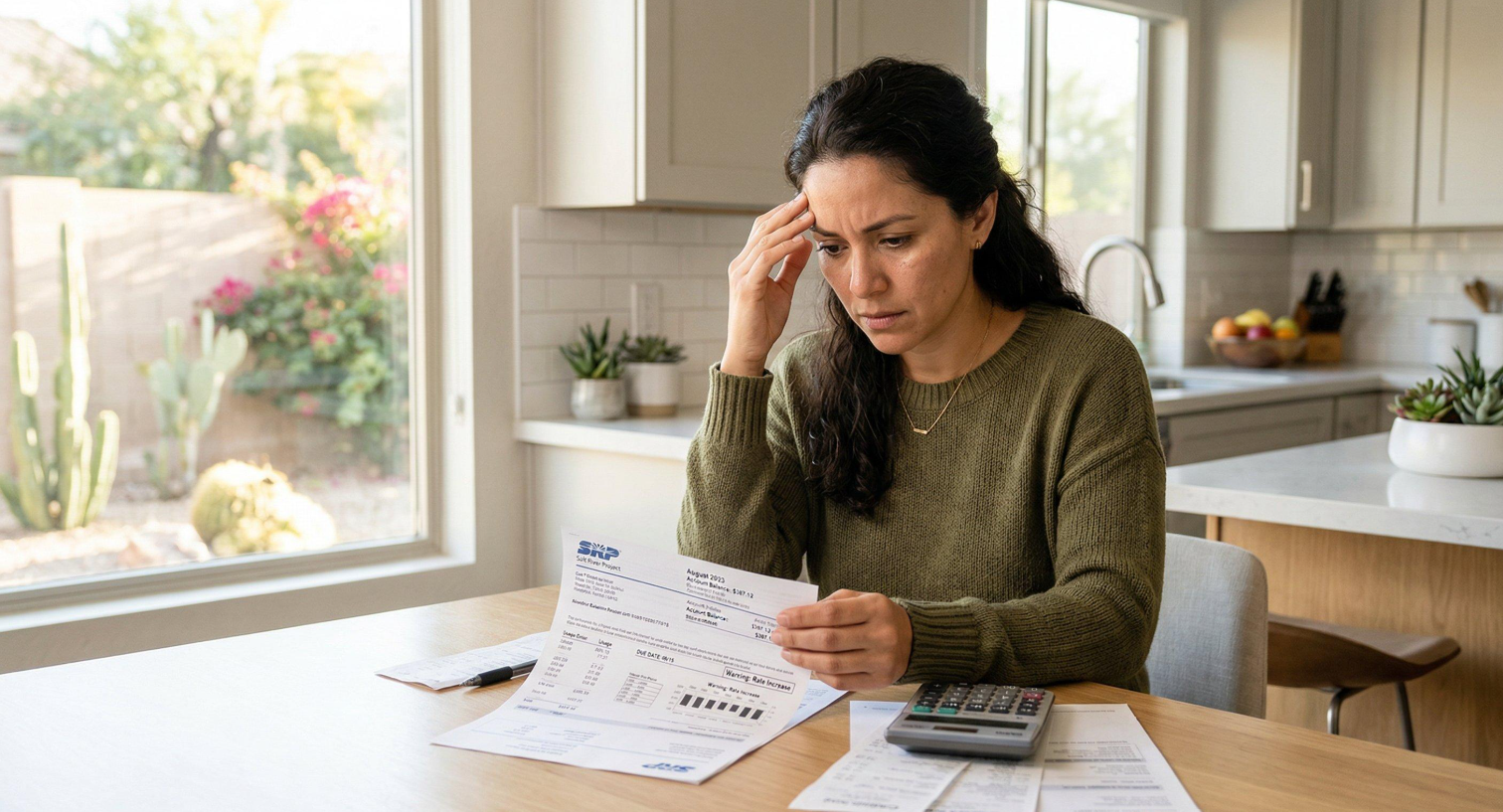
The 2026 Emergency Fund Mistake: Why Saving Three Months of Expenses May Not Be Enough
An emergency fund is one of the most important parts of a personal financial plan, yet it is also one of the easiest goals to underestimate. Many Americans have heard the familiar recommendation to save three to six months of living expenses. It sounds straightforward: calculate monthly costs, multiply by a few months, and start putting money aside.
But what happens when a job loss lasts longer than expected? What if an unexpected medical bill arrives while a car needs repairs? What if rent increases, a family member needs financial support, or a self-employed worker experiences several months of lower income?
In these situations, a savings balance that once seemed sufficient can disappear quickly.
The problem is not that the three-to-six-month guideline is useless. It is that a standard savings target may not reflect your actual financial risks, household responsibilities, or ability to replace lost income. Someone with a secure job, low fixed expenses, and another household income may need a different cushion from a freelancer supporting children or a single-income household with substantial monthly obligations.
In 2026, building an emergency fund requires more than choosing a popular savings target. It means understanding which expenses must continue during a crisis, how long it might take to recover from a financial setback, and how to protect savings without sacrificing every other financial goal.
This guide explains how to calculate a realistic emergency fund, when three months of expenses may be insufficient, where to keep emergency savings, and how to build a financial safety net even when money is tight.
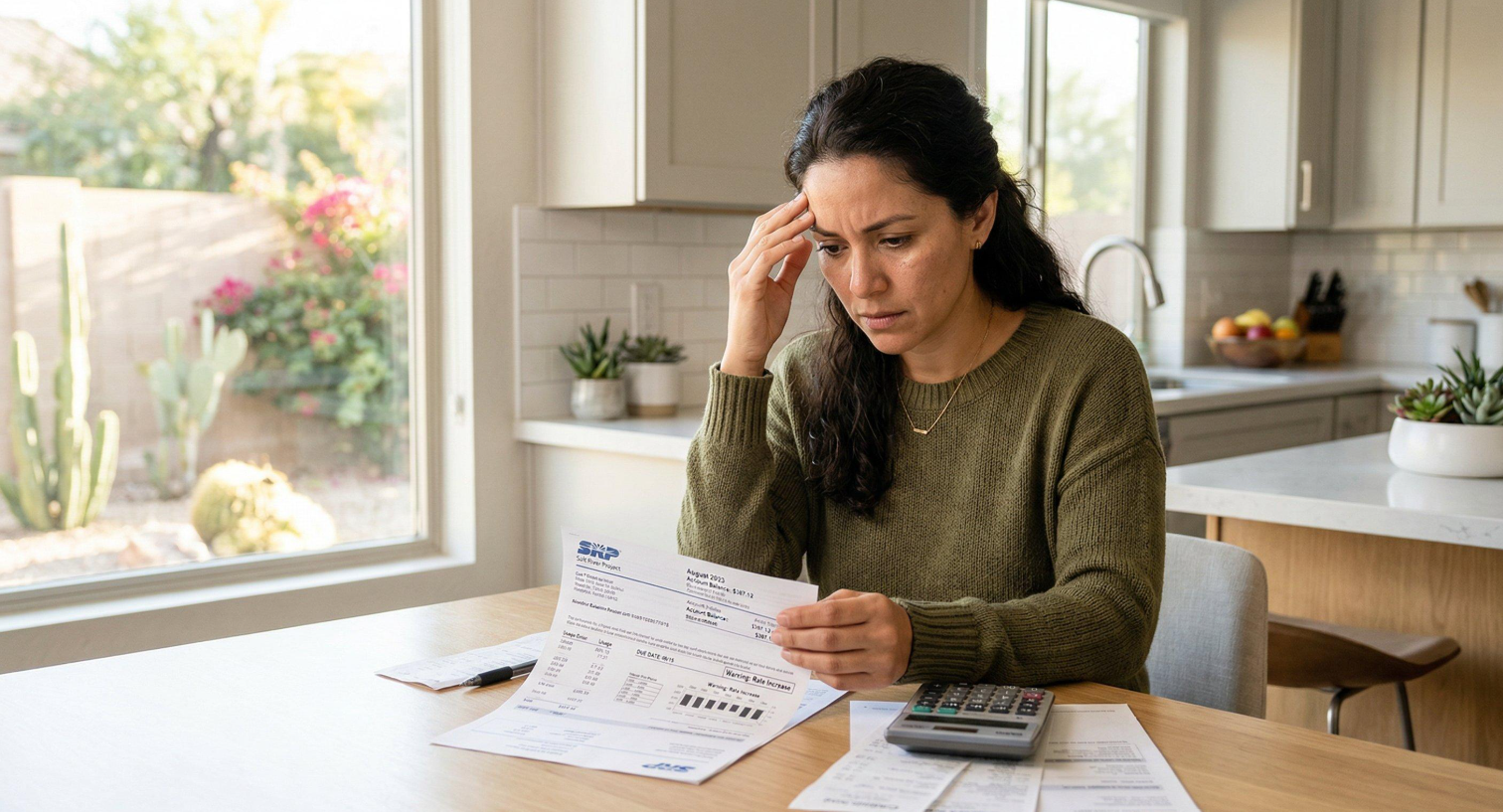
What Is an Emergency Fund?
An emergency fund is money set aside specifically for unexpected expenses or financial disruptions. It provides a financial buffer when something goes wrong and helps reduce the need to borrow money, sell investments at an inconvenient time, or withdraw funds intended for another important goal.
Common reasons to use an emergency fund include:
- Losing a job or experiencing a significant reduction in income.
- Paying for an unexpected medical expense.
- Repairing a vehicle needed for work.
- Addressing urgent home repairs, such as a broken heating system or damaged roof.
- Covering essential costs during a temporary interruption in business income.
- Handling necessary travel or family emergencies that cannot reasonably be postponed.
The Consumer Financial Protection Bureau (CFPB) recommends setting money aside for unexpected expenses and explains that even relatively small financial shocks can create lasting problems when a household has no savings. Without a reserve, people may turn to credit cards or loans, potentially making the original expense more costly. Read the CFPB's guide to building an emergency fund.
An emergency fund is different from money saved for a planned expense. A vacation, annual insurance premium, holiday gift budget, or scheduled car maintenance bill should generally be handled through ordinary budgeting or a separate savings category.
The distinction matters because using emergency savings for predictable expenses leaves less money available when a genuine crisis occurs.
Is Three Months of Emergency Savings Enough?
Three months of essential expenses can be a useful initial target, but it is not a universal rule.
The traditional recommendation to save three to six months of living expenses gives people a starting point. The Financial Industry Regulatory Authority (FINRA), for example, encourages investors to consider recurring expenses, set a specific savings target, and work toward an emergency reserve covering several months of realistic living costs. It also recognizes that individual circumstances affect the appropriate amount. See FINRA's emergency fund guidance.
The weakness appears when people treat the lower end of that range as the correct amount for everyone.
Consider two households.
The first has two working adults, modest fixed expenses, stable employment, and relatively easy access to replacement jobs. If one person loses a job, the other may still cover many essential bills.
The second household relies on one self-employed person whose income changes from month to month. That person pays the mortgage, supports children, and carries the household's health insurance and other essential expenses. If income disappears, finding replacement work may take longer, and there may be no second paycheck to help.
The same three-month target could provide a reasonable starting point for the first household but leave the second exposed to substantial financial pressure.
A better question is not simply, "How many months should I save?" It is, "How long might my household need to support essential expenses if my normal income or financial situation changes?"
When Three Months May Be Reasonable
A smaller emergency fund may be a practical initial goal when you have:
- Relatively stable employment.
- Low essential monthly expenses.
- More than one reliable household income.
- Few dependents or financial responsibilities.
- Access to other dependable resources that do not create excessive costs or risks.
Even in these circumstances, three months should be viewed as a planning benchmark rather than a guarantee that every emergency will be covered.
When Six Months or More May Be Safer
A larger reserve may be worth considering if you:
- Work as a freelancer, contractor, or small-business owner.
- Rely on one income to support several people.
- Work in an industry where hiring can take a long time.
- Have high housing, insurance, childcare, or medical expenses.
- Expect difficulty replacing your current income.
- Own a home or vehicle that could require expensive emergency repairs.
- Have limited access to affordable borrowing or other financial support.
These factors do not automatically mean you need a particular number of months. They indicate that your potential financial disruption may last longer or cost more than the standard guideline assumes.
How to Calculate Your Emergency Fund in 2026
The most useful emergency fund is based on your own essential expenses rather than a generic dollar amount.
Start by identifying the costs you would still need to cover if your income stopped or dropped significantly.
Step 1: Calculate Your Essential Monthly Expenses
Review recent bank statements, credit card statements, bills, and spending records. Estimate the amount required to maintain a basic but workable household budget.
Include expenses such as:
- Rent or mortgage payments.
- Utilities, including electricity, gas, water, and essential internet or phone service.
- Groceries and necessary household supplies.
- Health insurance and essential medical costs.
- Transportation required for work or important responsibilities.
- Minimum payments on debts.
- Childcare or dependent-care costs that cannot be paused.
- Essential insurance premiums.
- Necessary prescriptions and other recurring health expenses.
You may be able to reduce restaurant spending, subscriptions, entertainment, travel, and nonessential shopping during a crisis. Those costs generally do not need to be included at their usual levels in a bare-bones emergency budget.
However, do not underestimate essential expenses just to make the target look smaller. A realistic estimate should reflect what your household genuinely needs to keep functioning.
Step 2: Choose a Savings Timeline
Once you know your essential monthly expenses, choose a preliminary number of months to cover.
For example, suppose your household needs $3,200 per month to cover essential bills.
Target period | Emergency fund goal |
|---|---|
1 month | $3,200 |
3 months | $9,600 |
6 months | $19,200 |
9 months | $28,800 |
These figures are illustrations, not recommendations for every household. Your target may be higher or lower depending on your income stability, dependents, savings, and other resources.
The important point is that the same monthly budget can produce very different savings goals depending on how long you might need the money to last.
Step 3: Consider How Long It Could Take to Replace Your Income
A savings target should reflect more than your monthly bills. It should also account for the realistic time required to recover financially.
For example, a professional who expects to find comparable employment within a few weeks may face a different risk from someone working in a specialized field where hiring can take several months.
Freelancers and small-business owners should consider the possibility of losing a client, waiting for invoices to be paid, or experiencing a seasonal decline in demand.
You cannot predict every disruption, but you can use your work history, industry conditions, and household circumstances to choose a more realistic planning period.
Step 4: Subtract Savings You Can Reliably Use
If you already have money specifically set aside for emergencies, subtract that amount from your target to calculate the remaining gap.
Suppose your six-month goal is $19,200 and you have already saved $7,000 in a dedicated emergency account. You would need another $12,200 to reach that target.
Do not automatically count retirement accounts, money reserved for a home purchase, or funds needed for upcoming tax payments as emergency savings. Accessing those funds may create penalties, losses, or other financial problems.
Your emergency fund should consist primarily of money that is accessible when a genuine emergency occurs.
Why Your Emergency Fund May Need to Be Larger Than You Think
A common mistake is calculating the fund using today's expenses and assuming those costs will remain unchanged during a crisis.
In reality, financial emergencies can occur alongside rising costs, additional responsibilities, or unexpected bills. The following situations deserve particular attention.
1. Your Income Is Irregular
Freelancers, contractors, commission-based workers, and small-business owners may experience substantial income fluctuations even without losing their jobs.
A few strong months can make finances look healthy, but a slow period may arrive when several bills are due at once.
If your income varies, base your emergency budget on essential expenses rather than your best earning months. You may also want a larger reserve that accounts for the possibility of delayed payments or a longer period without enough work.
Business owners should distinguish between personal emergency savings and business operating reserves. Money needed to pay employees, suppliers, taxes, or business rent should not automatically be treated as available household emergency cash.
2. You Support Dependents
Parents and caregivers often have expenses that cannot simply be eliminated when income falls.
Childcare, school-related necessities, health expenses, and support for dependent relatives can make the minimum monthly budget more expensive than it appears at first.
If other people rely on your income, calculate the emergency fund around the needs of the household rather than your personal expenses alone.
You should also consider whether another household member has dependable income and whether that income would realistically continue during the type of emergency you are planning for.
3. You Own a Home or Depend on a Vehicle
Homeownership can bring unexpected costs, including plumbing failures, appliance replacement, roof damage, or heating and cooling repairs.
Similarly, a vehicle may be essential for commuting or earning an income. An unexpected repair could create both a direct expense and a loss of income if the vehicle cannot be used.
Not every repair needs to be covered by the emergency fund. Predictable expenses, such as routine vehicle maintenance or an annual home insurance premium, can be funded through separate savings categories.
However, the possibility of a major unexpected repair is a valid reason to reconsider whether your current reserve is sufficient.
4. Your Insurance Has Significant Out-of-Pocket Costs
Having insurance does not eliminate every financial risk. Depending on your coverage, you may still need to pay deductibles, copayments, or expenses for services that are not fully covered.
Review your policy terms and consider the cash you might need to pay before reimbursement or coverage becomes available.
This does not mean every emergency fund should equal the highest possible insurance deductible plus every imaginable expense. It means that known gaps in your coverage should inform your planning.
5. You Have Limited Access to Replacement Income
A financial cushion is particularly important when a disruption could take a long time to resolve.
People who work in specialized industries, rely on a small number of clients, or live in areas with limited employment options may need more time to recover after losing income.
Do not assume that a credit card or personal loan will reliably fill the gap. Credit may be expensive, limits can be reduced, and lenders may tighten eligibility requirements when a borrower is already under financial pressure.
An emergency fund is designed to reduce dependence on those uncertain alternatives.
Emergency Fund vs. Sinking Fund: Know the Difference
Another common mistake is using emergency savings for expenses that could have been anticipated.
A sinking fund is money set aside gradually for a known or reasonably predictable future expense. It can cover costs that do not arrive every month but are still part of ordinary life.
Examples include:
- Annual car registration or insurance premiums.
- Routine vehicle maintenance.
- Holiday spending and planned gifts.
- School supplies.
- A planned appliance replacement.
- Annual professional membership fees.
An emergency fund is intended for unexpected costs or serious financial disruptions, such as an urgent repair that could not reasonably have been planned for or a sudden loss of income.
The two types of savings serve different purposes. Keeping them separate makes it easier to understand how much money is genuinely available during a crisis.
For example, if you have $8,000 in total savings but $2,000 is reserved for an upcoming insurance premium and planned repairs, you should not assume that the entire $8,000 is available for a sudden period without income.
Creating separate savings categories can help prevent an ordinary expense from consuming the money you intended to protect against a genuine emergency.
Where Should You Keep Your Emergency Fund?
Emergency savings have a different purpose from retirement investments or long-term wealth-building assets. The priority is usually safety and access, not maximizing returns.
High-Yield Savings Accounts
A high-yield savings account may offer interest while keeping money relatively accessible. Compare the account's interest rate, fees, minimum balance requirements, transfer limits, and withdrawal rules.
Rates can change, so do not build your emergency plan around an assumption that today's advertised rate will continue indefinitely.
For U.S. consumers, check whether the institution is FDIC-insured. The FDIC generally covers eligible deposits up to $250,000 per depositor, per insured bank, per ownership category. Coverage applies to qualifying deposit accounts, not every financial product sold by a bank. Details are available in the FDIC's deposit insurance guidance.
Checking or Savings Accounts at an Insured Bank
Some households prefer to keep part of their emergency money in an account connected to their regular banking activities. This can make transfers and bill payments easier.
A checking account may be useful for immediate access, while a separate savings account can reduce the temptation to spend the money casually.
You do not necessarily need to keep the entire fund in one account. A structure that gives you access to some cash immediately while keeping the rest in a suitable savings account may work well.
What About Stocks, Cryptocurrency, or Other Investments?
Money needed for an emergency should generally not depend on the market being favorable when you need to withdraw it.
Stocks, cryptocurrency, and other volatile investments can lose value. If an emergency occurs during a market downturn, you may be forced to sell at a loss.
Certificates of deposit (CDs) may offer different interest terms, but some impose early-withdrawal penalties or restrict access before maturity. If you use one, make sure you understand how quickly you can retrieve the money and what it could cost.
The purpose of an emergency fund is to provide financial resilience. It is not meant to function as a high-risk investment strategy.
<WritingBlock id="73187" variant="document">## How to Build an Emergency Fund When Money Is Tight
Knowing your savings target is only half the challenge. The other half is building the fund while paying bills, managing debt, and meeting everyday needs.
You do not need to save thousands of dollars immediately to make progress. A smaller reserve can still help you handle an unexpected bill without relying entirely on borrowing.
1. Start With Your First $500 or $1,000
If you have little or no emergency savings, set an initial milestone that feels achievable.
For example, you might aim to save $500 first, then increase your target to $1,000 before working toward one month of essential expenses.
These amounts are not sufficient for every emergency, and a larger target may be necessary for households with substantial obligations. Their purpose is to make the first stage manageable rather than intimidating.
Even a modest cash reserve can help cover a smaller repair, an urgent household purchase, or part of an unexpected bill.
2. Automate Small Contributions
If you wait until the end of each month to save whatever remains, you may find that little money is left.
Consider scheduling a transfer to your emergency savings account on payday. The amount can be small enough that you can maintain it without missing essential bills.
For example, saving $50 every week would contribute $2,600 over a year before any interest, assuming you make all 52 contributions.
If weekly transfers do not suit your income schedule, try a smaller monthly contribution or save a percentage of each payment you receive.
The key is consistency. A realistic savings habit is usually more sustainable than setting an ambitious target that forces you to withdraw money again a few weeks later.
3. Save More During Strong Income Months
People with irregular earnings can build their funds by saving a larger portion of income during unusually good months.
For example, a freelancer who receives a large client payment could allocate part of the extra income to emergency savings after accounting for taxes, business expenses, and upcoming essential bills.
The same principle can apply to bonuses, tax refunds, commissions, or other occasional income.
You do not need to put every extra dollar into savings. Choose an amount that strengthens your safety net without leaving other important financial obligations unfunded.
4. Review Recurring Expenses
Look through your recent spending for subscriptions, memberships, and recurring services that you no longer use or could replace with less expensive alternatives.
Canceling a service that costs $20 per month would free up $240 over a year if you consistently direct that money into savings.
Small changes may not solve a large income gap, but they can help create room for a savings contribution without requiring a dramatic lifestyle change.
Avoid cutting essentials such as necessary medication, adequate insurance, or other spending that protects your health and financial stability simply to reach a savings goal faster.
5. Use Windfalls Strategically
Unexpected money can accelerate your progress.
If you receive a tax refund, cash gift, bonus, or other one-time payment, consider directing a portion toward your emergency fund.
For example, putting $400 from a $1,000 windfall into emergency savings would move your target forward without requiring you to find the entire amount through ordinary monthly budgeting.
The right percentage depends on your situation. If you have overdue essential bills or high-interest debt, you may need to balance those obligations against the need for a cash reserve.
6. Increase Your Savings as Your Income Grows
When your income rises, it can be tempting to increase spending immediately.
Instead, consider directing part of the additional take-home pay toward emergency savings until you reach an appropriate target.
This does not mean avoiding every lifestyle improvement. It means using part of an income increase to strengthen your financial foundation before allowing recurring expenses to grow significantly.
Once your emergency fund reaches its target, you can redirect contributions toward other goals, such as retirement, a home deposit, or paying down debt.
Should You Build an Emergency Fund Before Paying Off Debt?
This is one of the most common personal-finance dilemmas, and the answer depends on your circumstances.
High-interest debt can be expensive, so directing every available dollar toward emergency savings while carrying substantial credit card debt may not be the most efficient strategy.
However, putting all your money toward debt and keeping no cash reserve can also be risky. If a car repair or medical bill arrives, you may need to borrow again.
A balanced approach often works better.
First, try to establish a small emergency cushion that can cover an immediate unexpected expense. Continue making required debt payments, especially where missing them could result in fees or other serious consequences.
Then evaluate how much extra money can go toward high-interest balances while you gradually expand your savings.
For example, someone with $800 in emergency savings and $5,000 in credit card debt might decide to preserve the existing cash cushion, make required payments, and direct most additional money toward the expensive debt while contributing a smaller amount to savings.
That is an illustration, not a universal formula. A household facing unstable employment or high unavoidable expenses may need to prioritize a larger cash reserve.
The important thing is to avoid two extremes: accumulating savings without considering costly debt, or paying down debt so aggressively that every unexpected expense must be financed again.
Five Warning Signs Your Emergency Fund Is Too Small
Your current savings may need attention if any of the following situations apply.
You could not cover one unexpected bill. If a modest repair or urgent expense would immediately require borrowing, your current reserve may be too limited for your circumstances.
You depend on your next paycheck for every essential bill. This leaves little room for delays, reduced hours, or temporary income interruptions.
You would need to sell investments immediately. If you must rely on selling volatile assets to cover essential costs, your liquid savings may not be sufficient.
You repeatedly use credit cards for emergencies. If unexpected expenses regularly become revolving debt, a dedicated cash reserve may help reduce the cycle.
Your financial responsibilities have increased. A new child, home purchase, change in employment, or additional dependent may make an older savings target inadequate.
These warning signs do not mean that you have failed financially. They are signals to reassess your plan and choose a realistic next step.
How Often Should You Review Your Emergency Fund?
Your emergency fund should change as your circumstances change.
Review your target after major life events, such as changing jobs, moving to a more expensive home, having a child, becoming self-employed, or taking on significant new financial obligations.
It is also useful to revisit your essential monthly expenses periodically. Rent, insurance, groceries, transportation, and other necessary costs can increase over time.
Suppose your original target was based on essential expenses of $2,800 per month. If those expenses later rise to $3,300, a six-month target increases from $16,800 to $19,800.
That is a $3,000 difference, even though the number of months in your plan has not changed.
You do not need to recalculate everything every week. A review every few months, or after a significant change in your life, is often a practical way to keep the target relevant.
If you use some of your emergency savings, work toward replenishing it once the immediate crisis has passed. Using the money for its intended purpose is not a failure; the goal is to restore the protection over time.
A Simple Emergency Fund Plan for 2026
If you are unsure where to begin, use this sequence to turn the general advice into an actionable plan.
- Calculate essential monthly expenses. Include the bills that must continue during a financial disruption.
- Choose an initial target. Start with a manageable amount, then work toward one month of essential expenses.
- Assess your personal risks. Consider income stability, dependents, health costs, debt payments, and likely recovery time after a setback.
- Select a suitable account. Prioritize safety, accessibility, low fees, and appropriate deposit protection.
- Schedule regular contributions. Automate a realistic amount or save a percentage of each paycheck.
- Keep planned expenses separate. Use sinking funds for predictable costs so your emergency reserve remains available for genuine surprises.
- Review the plan periodically. Adjust the target when your expenses or responsibilities change.
You can also use financial education resources to improve your broader money-management habits. Visit Finiuo for personal-finance guides and practical financial planning topics. For related resources, explore Jurnza for legal information and Dryzen Royal for food and nutrition guides.
Conclusions
Saving three to six months of living expenses is a useful starting point, but it should not be treated as a rule that fits every household. The right emergency fund depends on how much you need to cover essential expenses, how stable your income is, how many people depend on you, and how long you might need to recover from a financial setback.
For some households, three months of expenses may provide a reasonable initial target. Others—particularly freelancers, single-income families, and people with substantial fixed costs—may benefit from building a larger reserve over time.
The most effective strategy is to calculate your actual essential expenses, establish an achievable first milestone, automate regular savings, and keep emergency money somewhere safe and accessible. Separate savings for predictable bills can also prevent ordinary expenses from draining the money intended for a crisis.
If money is tight, start small rather than waiting until you can save several months of expenses at once. Every contribution creates more flexibility and can reduce the likelihood that an unexpected bill will become expensive debt.
An emergency fund cannot prevent every financial problem, but it can give you more time, more options, and greater control when life does not go according to plan. The goal is not to save an arbitrary amount just because a popular rule says so. It is to build a financial cushion that reflects your real life and helps you recover when the unexpected happens.