

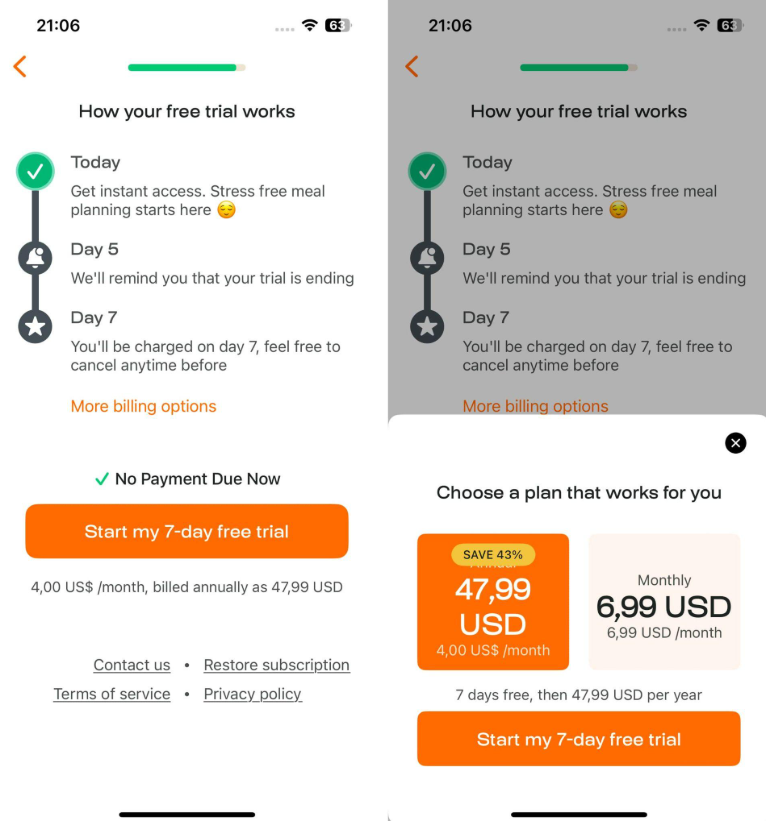
The Free Trial Trap: How a $0 Offer Can Turn Into Months of Charges
A free trial sounds like an easy win. You get access to a streaming service, try a fitness app, test premium software, or receive a product without paying the full price upfront. If you like it, you can decide whether to continue. If you do not, you simply cancel.
At least, that is how it is supposed to work.
In reality, a free trial can become an unexpected expense when a promotional period ends, a subscription renews automatically, or a cancellation deadline passes unnoticed. A service advertised at $0 today might begin charging $9.99, $19.99, or considerably more each month. If you forget about the subscription, the payments can continue long after you stop using it.
The problem becomes even more frustrating when the renewal terms are easy to overlook, cancellation requires several steps, or a company continues billing after a customer believes the subscription has ended.
These charges can look small individually. But several forgotten subscriptions can consume hundreds of dollars over a year, leaving less money for groceries, transportation, entertainment, and other priorities.
Free trials are not inherently bad. They can help consumers evaluate products before committing to a purchase. The real financial risk comes from misunderstanding the conditions attached to the offer or failing to track what happens after the trial ends.
For U.S. consumers, understanding how automatic renewals work, recognizing warning signs, and knowing how to challenge questionable charges can make a meaningful difference. Here is how the free trial trap works, why it catches people off guard, and how to protect your money.
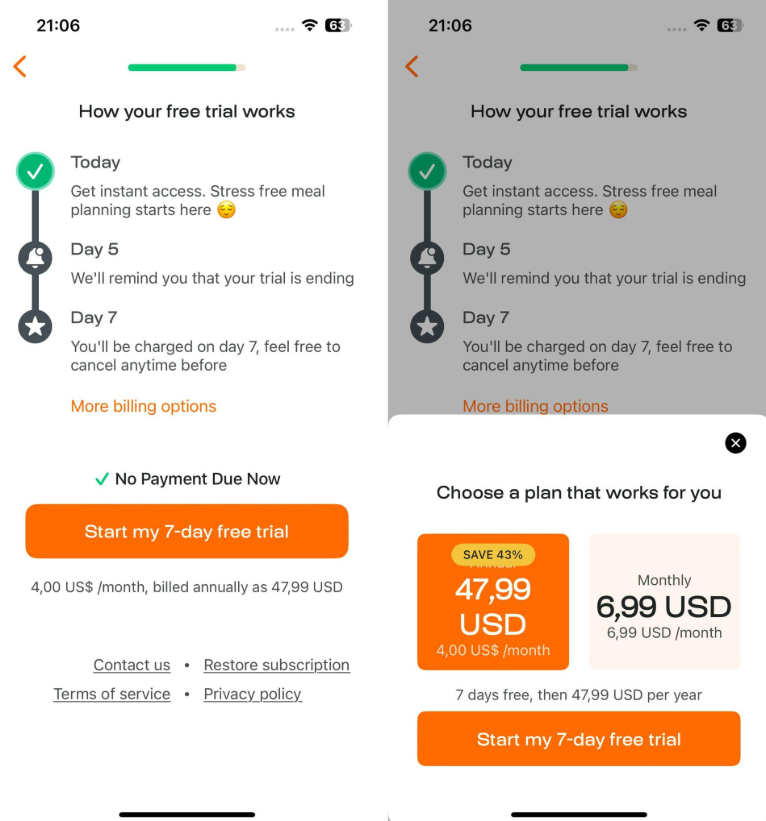
1. The $0 Offer Is Often Only the Beginning
The first thing to understand is that a free trial does not necessarily mean a service will remain free.
Many companies use introductory offers to encourage people to try a product. The customer receives temporary access at no cost or at a reduced price. In exchange, the customer may agree to automatic billing when the promotional period ends unless they cancel before a specified deadline.
For example, imagine a video-streaming service offering a seven-day free trial. During registration, you enter your payment details and agree to a subscription that costs $14.99 per month after the trial.
If you forget to cancel, the company may begin charging the regular monthly price under the terms you accepted.
The same arrangement can apply to music services, online learning platforms, productivity software, fitness apps, meal plans, beauty products, and memberships.
The crucial detail is not the introductory price. It is the transition from the introductory offer to the regular payment arrangement.
Before signing up, identify four things:
- How long the free or discounted period lasts.
- The exact amount you will pay afterward.
- Whether the subscription renews automatically.
- The deadline and method for cancellation.
If you cannot easily find those details, do not assume they are unimportant. They determine whether a seemingly free offer could become a recurring expense.
2. Small Monthly Charges Can Become a Big Annual Bill
A subscription that costs $8.99 a month may not seem like a serious financial commitment. You might spend more than that on lunch or a coffee run.
But recurring payments behave differently from one-time purchases. They repeat, sometimes for months or years, unless you actively stop them.
Consider a consumer who signs up for four services after separate free trials:
Subscription | Monthly charge | Annual cost |
|---|---|---|
Streaming service | $12.99 | $155.88 |
Fitness app | $9.99 | $119.88 |
Premium productivity app | $14.99 | $179.88 |
Learning platform | $19.99 | $239.88 |
Total | $57.96 | $695.52 |
These are illustrative prices, not quotes from particular companies. They show how four relatively ordinary monthly payments can add up to nearly $700 over a year.
The amount becomes more significant when you consider whether you actually use each service.
If you regularly watch the streaming service, use the fitness app, and rely on the productivity tool, those payments may represent worthwhile spending. But if you stopped using the learning platform months ago, its annual cost could be money spent for no meaningful benefit.
That is the central problem with forgotten subscriptions: the money continues leaving your account even when the value you receive disappears.
The solution is not to cancel every subscription. It is to make sure every recurring payment still earns its place in your budget.
3. Why Free Trials Are So Easy to Forget
Free trials often begin when consumers are focused on the immediate benefit rather than the future payment.
You may want to watch one show, use a particular software feature, download a workout plan, or test a premium service. The signup process takes a few minutes, and the first payment appears to be zero.
The future billing date may feel distant, especially when the trial lasts several weeks.
Then everyday life takes over. Work becomes busy, family responsibilities pile up, or you simply forget that the trial exists. By the time the first charge appears, you may no longer remember which offer you accepted.
Several habits can make this more likely.
Signing up for multiple trials at once. If you test several services during the same week, their deadlines can overlap and become difficult to track.
Using different email addresses. A subscription registered under an old or secondary email account may be harder to remember.
Assuming a service will send a reminder. Some companies send renewal notices, but consumers should not rely on receiving a reminder unless the applicable terms or law require one.
Confusing an account deletion with cancellation. Removing an app from your phone does not necessarily terminate the subscription connected to your account.
Forgetting where the subscription was purchased. A subscription started through an app store may need to be managed through that store rather than directly through the service's website.
None of these mistakes means a consumer is careless. Subscription services are easy to start, and recurring payments can become invisible once they settle into a routine.
A simple tracking system can prevent many of these charges before they begin.
4. The Most Dangerous Part May Be the Cancellation Process
Starting a free trial is often straightforward. Cancelling it may require more effort.
Some services let users cancel through a clearly labeled account setting. Others may require navigating several menus, contacting customer support, or completing additional steps.
A consumer may believe the cancellation is complete when the process is not actually finished. For example, a service might require confirmation after an initial cancellation request, or the customer may cancel the wrong subscription associated with an account.
Cancellation problems deserve particular attention because they can turn a manageable monthly expense into a frustrating dispute.
Before signing up for a trial, look for the cancellation instructions. Check whether you can cancel online, through an app store, by phone, or through another method. If the instructions are difficult to find before enrollment, consider choosing a different provider.
When cancelling, do not stop at clicking a button or sending a message. Look for an explicit confirmation that the subscription has ended or that automatic renewal has been turned off.
Save the confirmation email, screenshot, or reference number. If the company later charges you again, that record may help you demonstrate when you cancelled.
If a company makes cancellation difficult, document the steps you attempted, including dates, messages, and any error screens. Accurate records are much more useful than relying on memory weeks later.
5. The Free Trial May Be Connected to a Product You Did Not Intend to Buy
Not every free-trial problem involves a streaming service or a mobile app.
Some offers begin with a discounted sample, a trial-size product, or a low-cost introductory shipment. The customer may then discover that the offer also enrolled them in recurring deliveries or a membership.
For example, an advertisement might promote a low-cost sample of a skincare product. The checkout terms may describe a recurring order that begins after a short introductory period unless the customer cancels.
If the customer overlooks the recurring terms, later shipments and charges may come as a surprise.
The same general pattern can appear with supplements, personal-care products, meal programs, and other subscription-based goods. Some businesses operate legitimate recurring-delivery programs, but the consumer needs to understand what they are agreeing to purchase.
Watch for language such as:
- “Continues at the regular price.”
- “Renews automatically.”
- “Recurring delivery.”
- “Cancel before the promotional period ends.”
- “Membership fee applies after the trial.”
- “Billed every month until cancelled.”
These phrases are not proof of wrongdoing. They are signals that you should inspect the full terms before entering payment information.
Also be cautious when an offer appears unusually generous but the company provides little information about its identity, contact details, or cancellation policy.
A legitimate business should be able to explain what the offer includes, how billing works, and how customers can end the arrangement.
6. Automatic Renewal Is Not Automatically a Scam
It is important to distinguish an inconvenient subscription from an unlawful or deceptive one.
Automatic renewal can be useful. It prevents a customer from losing access to a service simply because they forgot to renew. It can also simplify memberships, software licenses, and recurring deliveries that customers genuinely want.
The problem arises when important terms are misleading, consumers are enrolled without meaningful consent, or billing and cancellation practices violate applicable law.
A company may legitimately charge you after a free trial if the terms were properly presented and you agreed to the recurring arrangement. Forgetting to cancel does not automatically make the charge unauthorized.
On the other hand, a business may face legal scrutiny if it misrepresents the price, hides important renewal terms, charges without valid authorization, or continues billing contrary to the applicable agreement or law.
The distinction matters when deciding what to do about a charge.
If you knowingly accepted an automatic renewal but no longer want the service, your first step is generally to cancel according to the provider's terms and check whether the company offers a refund.
If you never agreed to the subscription, cancelled before the renewal, or believe the business misrepresented the offer, preserve the evidence and contact the company to dispute the charge.
Consumers should not assume that every charge after a free trial is illegal. They should also not assume that a company is entitled to keep every payment simply because a card was entered during registration.
7. What U.S. Consumers Should Know About Subscription Laws in 2026
Federal and state laws can provide protections against deceptive subscription practices, but the rules are more complicated than many online articles suggest.
The Federal Trade Commission has long used its authority to address unfair or deceptive business practices, including certain misleading negative-option and recurring-payment arrangements. A negative-option arrangement generally means that a consumer's silence or failure to take action results in continued purchases or payments.
The FTC's consumer guidance advises people to review free-trial terms, note cancellation deadlines, monitor payment statements, and dispute charges they did not authorize.
There is also an important recent development involving the FTC's 2024 “Click-to-Cancel” rule.
In October 2024, the FTC announced a revised rule intended to address recurring subscriptions, misleading disclosures, and difficult cancellation procedures. However, a federal appeals court vacated the 2024 amendments. On February 12, 2026, the FTC issued a final rule restoring the earlier text of the federal Negative Option Rule rather than putting the vacated amendments into effect.
In March 2026, the FTC also sought public comment on possible future changes to subscription and negative-option rules.
This means consumers should not assume the vacated 2024 Click-to-Cancel requirements are currently in force as a nationwide federal rule. Other federal laws, existing FTC authority, and state-specific consumer-protection laws may still apply, depending on the situation.
State laws can be particularly important because requirements for automatic renewal disclosures, consent, reminders, and cancellation methods vary. The rules that apply may depend on the consumer's state, the business, and the type of subscription.
If you believe a company has engaged in deceptive billing, you can consider filing a complaint with the FTC at ReportFraud.ftc.gov or contacting your state attorney general. A complaint does not guarantee a refund, but it can help authorities identify patterns of potentially unlawful conduct.
For a specific dispute, consult the applicable state law or seek qualified legal advice rather than relying on a general claim that every subscription must be cancellable with one click.
8. How to Spot a Free Trial That Deserves Extra Caution
You do not need to investigate every free offer like a major financial decision. However, certain warning signs deserve a closer look.
The regular price is hard to find
If the page prominently displays “FREE” but makes the future price difficult to locate, pause before entering your card details. The amount you will be charged later is one of the most important terms of the offer.
The cancellation instructions are unclear
A provider should explain how customers can end the subscription. If you cannot determine whether cancellation is possible online, through the app store, or by another method, you may be taking an unnecessary risk.
The company requests payment details for a supposedly free product without explaining why
Some legitimate trials require a payment method to begin automatic billing later. But the provider should clearly explain that arrangement. If the future charge is not disclosed or the terms are confusing, consider walking away.
The offer uses urgent countdowns or exaggerated promises
A countdown timer, dramatic discount, or claim that an offer is available for only a few minutes can pressure consumers into making decisions before reviewing the conditions.
Urgency alone does not prove fraud. However, a legitimate offer should still provide enough information for you to understand the price and obligations.
The business is difficult to identify
Look for a clear company name, working contact details, terms of service, and a privacy policy. Search for independent customer feedback, paying attention to specific complaints about billing and cancellation rather than relying on a single review.
You are asked to pay unexpected charges to claim something advertised as free
Shipping fees or other charges do not necessarily make an offer fraudulent, but they mean the offer is not entirely cost-free. Read the terms and determine whether any further recurring payments will follow.
If the company will not explain the arrangement clearly, the safest financial decision may be to skip the offer.
9. How to Protect Yourself Before Starting a Free Trial
The easiest way to avoid an unwanted subscription is to prevent it from becoming a surprise in the first place.
You do not have to stop using free trials entirely. You simply need a routine that makes the future charge visible before you agree to it.
Check the renewal date before signing up
Find the exact date the introductory period ends. If the offer says “seven days free,” confirm when those seven days begin and when billing starts. Do not rely on a vague estimate.
Write the renewal date in your calendar immediately.
Record the regular price
Save the amount that will be charged after the promotion ends. A screenshot of the offer or a copy of the confirmation email can help you remember the terms.
Set a reminder before the deadline
Create an alert two or three days before the trial ends. If you are unsure about the cancellation deadline or billing time, set the reminder earlier.
This gives you time to decide whether the service is worth keeping instead of discovering the charge after it happens.
Check the cancellation method
Before enrollment, determine where cancellation takes place. If the subscription is managed through Apple, Google Play, or another platform, you may need to cancel through that platform rather than the service provider's website.
Avoid unnecessary trials
A free trial is not a saving if you would never have paid for the product in the first place. Before signing up, ask whether you genuinely want to test the service or are simply responding to an attractive offer.
That small distinction can prevent a surprising amount of unnecessary spending.
10. Should You Cancel Immediately or Wait Until the Trial Is Almost Over?
This is a common question, and the answer depends on the provider's terms.
Some subscriptions allow you to cancel immediately while retaining access until the trial period ends. Others may terminate access as soon as you cancel. Certain promotions have their own conditions.
If you want to avoid the first paid renewal, do not assume you can cancel at the last minute without risk. You might encounter technical problems, time-zone differences, or a deadline that arrives earlier than you expected.
Check whether the service permits cancellation during the trial without ending access immediately.
If it does, cancelling soon after signing up may be the simplest way to avoid forgetting. Save the confirmation and verify that the subscription status reflects the cancellation.
If immediate cancellation ends the trial access and you want to keep testing the product, set a reminder well before the deadline instead.
The best strategy is the one that matches the service's actual terms. There is no universal cancellation rule that applies to every free trial.
11. How to Find Subscriptions You Have Already Forgotten
Preventing new charges is only half the job. You may already be paying for services you no longer use.
Start by reviewing your bank and card statements for the past three to six months. Look for repeated payments, unfamiliar merchant names, and charges that occur at regular intervals.
Some subscription charges appear under a company name that differs from the product name. If you do not recognize a transaction, search for the merchant description and check your email for receipts or account notifications before deciding it is fraudulent.
Next, review the subscription sections of your phone's app store accounts. These lists can reveal recurring services purchased through the platform, although they may not include subscriptions purchased directly from companies.
Check your email for terms such as “trial,” “subscription confirmation,” “renewal,” “membership,” “your next payment,” and “payment receipt.” Search across the email accounts you commonly use.
You can also inspect accounts on major streaming, software, fitness, and shopping platforms. Look for active plans, renewal dates, and payment methods.
Once you identify an unwanted subscription:
- Confirm the provider and current billing status.
- Cancel through the correct channel.
- Save the cancellation confirmation.
- Check the next statement to make sure billing has stopped.
- Dispute any charge you believe was unauthorized or made contrary to the applicable terms.
Do not simply delete the app. Removing an app from a device does not necessarily cancel the underlying subscription.
12. What to Do If a Free Trial Has Already Charged You
An unexpected subscription charge does not always mean your money is lost. The next step depends on whether you agreed to the renewal, whether you cancelled, and what the provider's refund policy says.
Step 1: Identify the transaction
Find the merchant name, amount, date, and payment method. Match the transaction to the relevant account or trial if possible.
Step 2: Review the terms you accepted
Look for the trial length, renewal price, billing frequency, cancellation deadline, and any relevant confirmation emails.
These records can help establish whether the charge followed the disclosed agreement or whether something appears inconsistent.
Step 3: Cancel unwanted future billing
If you do not want the service, cancel it through the correct channel. Do not assume that requesting a refund automatically cancels future renewals.
Save the confirmation and verify the account's status.
Step 4: Request a refund when appropriate
Contact the company and explain the situation clearly. If you were charged after cancelling, enrolled without consent, or billed in a way that conflicts with the terms, identify the relevant dates and provide supporting records.
Some providers may offer a refund even when the terms do not require one. Others may refuse, so keep a record of the response.
Step 5: Contact your payment provider if necessary
If the charge appears unauthorized, the company refuses to address a valid billing dispute, or payments continue after cancellation, contact your credit-card issuer or debit-card provider.
Ask about the process for disputing the transaction. Deadlines and procedures can vary, so act promptly and provide the records requested.
Do not assume that cancelling a payment card automatically terminates the subscription agreement. Contact the merchant and payment provider as appropriate, and verify that future billing has stopped.
Step 6: Report suspected deceptive practices
If you believe the company used misleading enrollment tactics, charged without consent, or repeatedly ignored cancellation requests, consider reporting the matter to the FTC and your state attorney general.
Keep your complaint factual. Include the offer, billing dates, cancellation attempts, and the company's responses.
13. A Simple Free-Trial Tracking System That Takes Minutes
You do not need a paid app to manage free trials. A calendar and a basic spreadsheet can be enough.
Create a record for each trial with these fields:
Detail | What to record |
|---|---|
Service | Name of the company or product |
Signup date | The date you enrolled |
Trial ends | The last day of the introductory period |
Regular price | The amount charged after the trial |
Billing frequency | Monthly, annually, or another interval |
Cancellation method | Website, app store, phone, or other channel |
Decision | Keep, cancel, or review |
Confirmation | Where you saved proof of cancellation |
Set a reminder before the renewal date and review the list once a month.
If you decide to keep a subscription, record why it is worth the price. If you cannot remember the last time you used it, consider cancelling or downgrading it.
A tracking system is particularly useful if you test several products at once or use different payment methods. It turns recurring charges from something you notice after the money disappears into something you can manage deliberately.
14. When a Paid Subscription Is Actually Worth It
Avoiding unwanted charges does not mean you should never pay for a subscription.
A service may provide genuine value if you use it regularly, save time with it, or rely on it for work, education, entertainment, or personal goals.
The question is whether the benefit justifies the recurring cost.
For example, a $15 monthly productivity tool costs $180 over a year. If it saves you several hours of work each month, the expense may be worthwhile. If you opened it once during the trial and never returned, continuing to pay is harder to justify.
Review subscriptions according to usage and value rather than simply focusing on the price.
You may find that an annual plan is cheaper than monthly billing, but an annual commitment can also create a larger upfront expense and make it easier to forget about the renewal. Compare the total price, refund terms, and cancellation conditions before choosing.
Some services also offer lower-cost plans, student discounts, family options, or free versions. Check whether a cheaper plan meets your needs before continuing at the premium price.
The goal is not to eliminate every recurring expense. It is to make sure your recurring payments support your priorities.
15. The Bigger Financial Lesson Behind Free Trials
The free-trial trap reveals something important about personal finance: a payment does not have to be large to matter, and a purchase does not have to feel expensive to affect your budget.
One unexpected $12.99 charge might not change your month very much. Several charges repeated over a year can be a different story.
Recurring payments also compete for money you could use elsewhere. That money might otherwise go toward savings, paying for essential expenses, buying something you genuinely want, or simply giving yourself more breathing room.
This is why reviewing subscriptions can be more effective than trying to eliminate every small discretionary purchase. The review focuses on expenses that repeat automatically, including services you may no longer remember choosing.
For more practical consumer-finance guidance, visit Finiuo. Readers interested in legal issues surrounding consumer transactions can explore Jurnza, while Dryzen Royal focuses on dry fruits and nutrition.
The broader principle is simple: every recurring payment should be a conscious decision, not a leftover from a trial you forgot to cancel.
Conclusions
A free trial can be a useful way to test a product, but the $0 starting price does not tell you the full story. Automatic renewals, forgotten deadlines, unclear cancellation procedures, and recurring product shipments can turn a short promotion into months of unexpected charges.
The most effective protection is to check the regular price before enrolling, record the renewal date, understand how to cancel, and save confirmation when you end a subscription. Reviewing your payment statements and app-store subscriptions can also help uncover charges you no longer need.
If a company bills you unexpectedly, review the terms, cancel future renewals, request a refund when appropriate, and contact your payment provider if you believe the charge was unauthorized or otherwise improper. U.S. consumer-protection rules can help in some situations, but the specific legal requirements depend on the practice and applicable law.
You do not need to distrust every free offer or abandon the services you enjoy. You simply need to understand what happens when the free period ends.
The real cost of a free trial is not always the first payment. It is the money that keeps leaving your account after you stop paying attention.