

Halloween 2026 Is Getting More Expensive: Why Candy Costs Are Eating Into Family Budgets
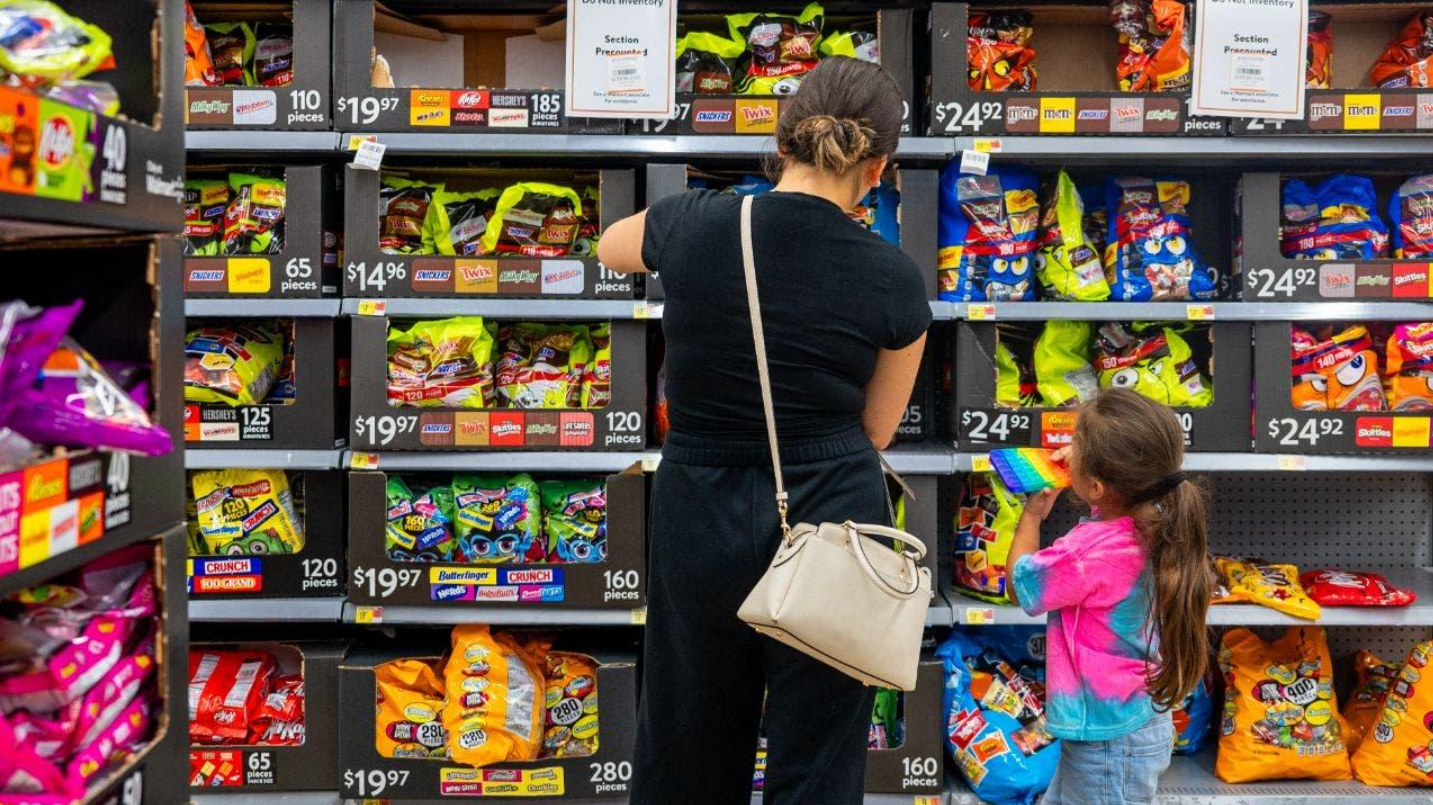
Halloween is supposed to be a little spooky, but for many American families, the scariest part of the holiday may be the shopping receipt. Candy, costumes, decorations, pumpkins, party supplies, and seasonal outings can quickly turn a simple celebration into a surprisingly expensive event. In 2026, rising candy prices and continued pressure on household budgets are making consumers think more carefully about how much they spend on October festivities.
Halloween remains a major shopping occasion in the United States. The National Retail Federation (NRF) expects total Halloween spending to reach $13.5 billion in 2026, slightly above the $13.1 billion recorded in 2025. The organization estimates that consumers will spend an average of $115.14 per person, although individual spending can vary considerably depending on household size, traditions, and planned activities.
Candy remains central to the celebration, but higher prices mean families may receive fewer treats for the same amount of money. Costumes and decorations add another layer of expense, especially when children want new outfits, homes need additional decorations, or families participate in multiple Halloween events.
The challenge is not simply deciding whether to celebrate. For many households, it is figuring out how to preserve the fun without allowing a seasonal tradition to disrupt the rest of the monthly budget.
Understanding what is driving Halloween costs, which purchases create the most pressure, and how retailers encourage shoppers to spend can help families make smarter decisions. A memorable Halloween does not have to be the most expensive one on the block.
Why Halloween Is Becoming More Expensive in 2026
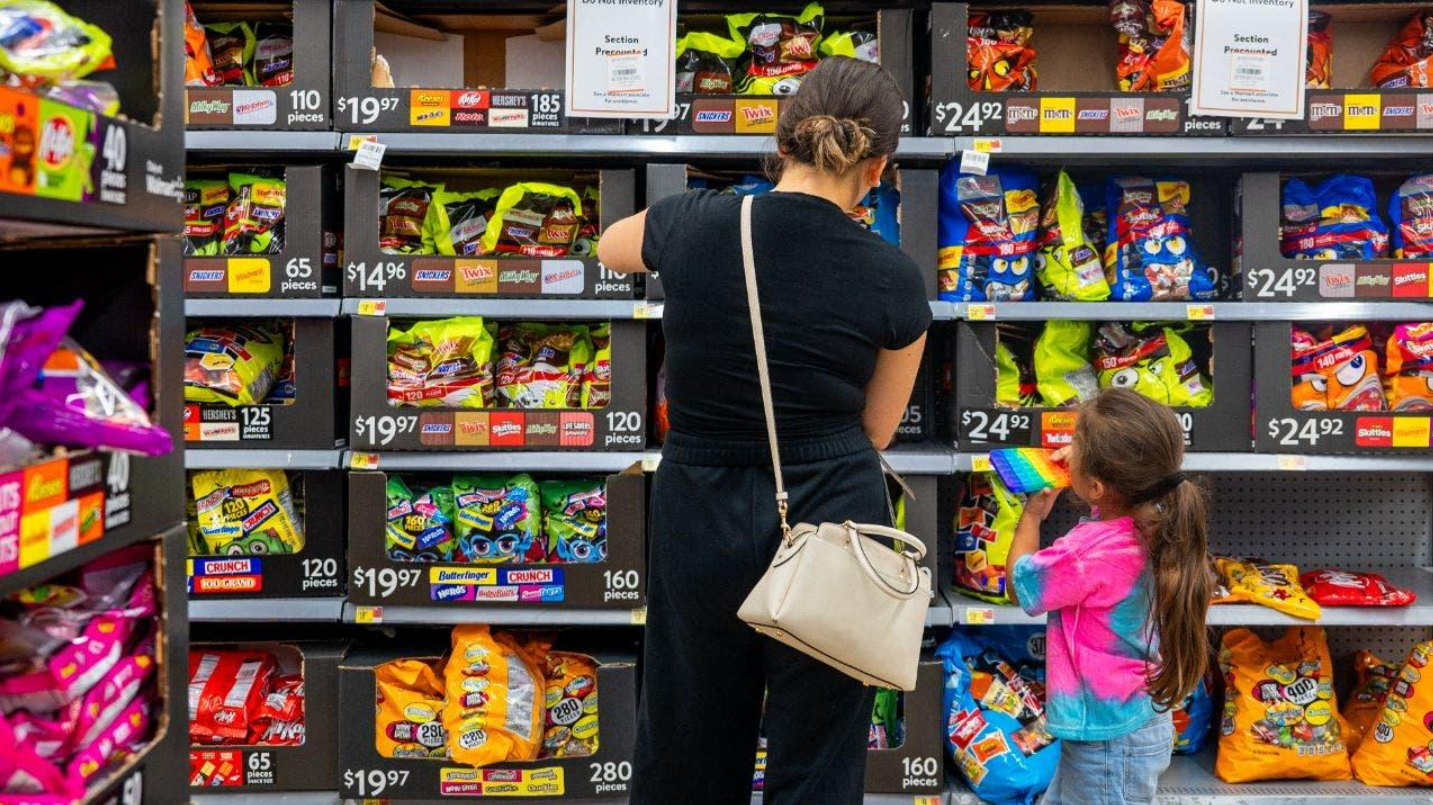
Halloween costs reflect several overlapping factors. Candy prices, production expenses, transportation costs, retailer pricing strategies, and demand for seasonal merchandise can all influence what shoppers pay.
When several expenses rise together, even small purchases can add up quickly.
Candy Prices Are Putting Pressure on Shoppers
Candy is one of the most recognizable Halloween expenses. Families buy individually wrapped treats for trick-or-treaters, candy for school events, chocolate for parties, and sweets to enjoy at home.
Recent reporting on 2026 candy prices shows that increases depend on the product category and the data source. One analysis reported that candy and chewing gum prices were up 8.1% year over year in August, while a separate analysis of Halloween candy prices reported an increase of 15.3%. These figures use different measurements, so they should not be treated as identical estimates of every candy product's price change.
Chocolate has faced particular pressure because of earlier increases in cocoa costs. Extreme weather in major cocoa-producing countries disrupted supply and contributed to higher global cocoa prices. Manufacturers also face expenses associated with packaging, transportation, labor, and other ingredients.
Even when wholesale commodity prices begin to decline, shoppers may not see immediate relief. Manufacturers can purchase ingredients months in advance, and retailers must sell inventory acquired at earlier prices.
For families buying several bags of candy, the difference can be noticeable. A product that appears affordable on its own becomes more expensive when multiplied across several purchases.
Transportation and Production Costs Matter Too
Candy does not move directly from a farm to a shopping basket. It passes through processing facilities, packaging operations, warehouses, distributors, and retail stores.
Each stage involves costs. When fuel, shipping, packaging materials, or labor become more expensive, businesses may absorb some of the increase or pass part of it on to consumers.
Imported ingredients and products can also be affected by tariffs and international supply-chain conditions. The exact effect varies by manufacturer and product, so it would be inaccurate to attribute every Halloween price increase to one policy or expense.
The important point for shoppers is that the price displayed on a shelf reflects more than the cost of the ingredients. It can also reflect the entire process required to manufacture, transport, store, and sell the product.
Seasonal Demand Gives Retailers Another Opportunity to Sell
Halloween merchandise has a limited selling season. Retailers need to stock enough candy, costumes, and decorations to meet demand, but they also risk being left with seasonal inventory after October 31.
That creates an environment in which promotions, themed displays, limited-time products, and bundled offers can influence buying decisions.
A shopper entering a store for one bag of candy may leave with decorations, themed snacks, costumes, and products purchased simply because they look festive. Seasonal displays can make these additional purchases feel like part of the celebration rather than separate expenses.
This does not mean every Halloween promotion is a bad deal. It means shoppers benefit from distinguishing between purchases they planned to make and purchases that became tempting only after entering the store.
How Much Are Americans Expected to Spend on Halloween?
The NRF's 2026 survey projects total Halloween spending of $13.5 billion. Its estimate of average spending is $115.14 per person, close to the $114.45 reported for 2025.
Those numbers provide a useful picture of the overall market, but they are not a recommended household budget or a prediction of what every family will spend.
A household with several children, an elaborate decorating tradition, and multiple parties may spend substantially more. Someone who buys one bag of candy and watches a Halloween movie at home may spend much less.
The NRF expects spending across several major categories:
- Costumes: Consumers are expected to spend approximately $4.4 billion.
- Decorations: Spending is projected at around $4.3 billion.
- Candy: Consumers are expected to spend about $4.1 billion.
- Greeting cards: Spending is projected at approximately $800 million.
These estimates illustrate how Halloween spending extends far beyond candy. In fact, costumes and decorations together account for a substantial share of expected purchases.
That matters because families sometimes focus on candy prices while overlooking the cumulative cost of other holiday items.
A new costume, decorative lights, a front-door display, pumpkins, party food, and a few seasonal activities can each seem reasonable individually. Combined, they may exceed the amount a family intended to spend.
The best approach is to consider Halloween as one complete spending occasion rather than treating every purchase as an unrelated decision.
The Hidden Costs That Can Blow Up a Halloween Budget
Candy prices receive plenty of attention, but several less obvious expenses can make Halloween more expensive than expected.
Costumes and Accessories
Costumes can be a major expense, particularly when children want a specific character or outfit that is popular that year.
The advertised price may cover only the main costume. Shoes, masks, makeup, wigs, props, accessories, and weather-appropriate clothing can raise the final total.
Buying a separate costume for every event can make the expense even larger. A child might need an outfit for a school celebration, another for trick-or-treating, and additional accessories for a neighborhood party.
Before purchasing a new costume, families can check whether an existing outfit can be reused or adapted. A simple base outfit can sometimes be transformed with a few inexpensive accessories.
For siblings, friends, or relatives, exchanging costumes can also reduce costs. This works particularly well with outfits that remain in good condition and are unlikely to be worn again.
Decorations That Are Used Only Once
Halloween decorations can be fun, but seasonal marketing often encourages shoppers to refresh their displays every year.
A household might already own pumpkins, lights, artificial cobwebs, and other decorations but still feel tempted by new themes and coordinated products.
The issue is not that decorations are unnecessary. It is that buying replacements for usable items can turn a one-time purchase into a recurring expense.
Families can make their existing decorations feel different by changing how they arrange them, adding homemade details, or choosing a theme that uses items they already own.
If a new decoration is genuinely needed, durability matters. A reusable item may provide better value than a cheaper product that must be replaced after one season.
School Parties and Community Events
Halloween activities often extend beyond October 31. Schools, workplaces, community groups, and neighborhood organizations may host celebrations that require snacks, costumes, craft supplies, or small gifts.
Each event may involve a modest contribution, but several events can increase the total cost.
Parents can ask about requirements before shopping. A school activity may need only a simple snack or a homemade craft rather than an elaborate themed contribution.
Families attending several events can also plan around shared supplies instead of purchasing a separate set of materials for each occasion.
Pumpkins, Food, and Entertainment
Pumpkins, carving tools, party snacks, drinks, haunted attractions, and seasonal outings can add another layer of spending.
Some expenses are easy to overlook because they do not appear in the candy or costume budget. A family might plan to spend $30 on decorations but then add pumpkin carving, a special dinner, and admission to a local event.
These activities can be worthwhile, but they should be considered part of the total celebration cost.
Deciding in advance which experiences matter most can help families enjoy the holiday without paying for every available activity.
Last-Minute Shopping
Waiting until the final days before Halloween can reduce the time available to compare prices or find alternatives.
Shoppers may pay more for a specific costume, accept limited candy options, or make additional trips to different stores. Those trips can also add transportation costs and encourage impulse purchases.
Planning early is not a guarantee of lower prices, because discounts and inventory vary. However, it gives shoppers more time to compare products, reuse existing items, and avoid buying whatever remains available.
Why Families Can Feel Pressure to Spend More
Halloween is a commercial holiday, but it is also a social experience. Children see costumes worn by classmates, neighbors decorate their homes, and families share photos of elaborate celebrations online.
That environment can create pressure to spend beyond what feels comfortable.
Parents may worry that a simple costume will disappoint a child or that a modest decoration display will look inadequate compared with a neighbor's setup. Adults may also feel pressure to participate in parties, seasonal outings, or themed gatherings.
Social media can amplify these comparisons by highlighting elaborate displays and expensive costumes rather than ordinary celebrations.
Retailers add another influence through limited-time offers, themed collections, and product displays designed to encourage extra purchases. When a product is available only for a short period, shoppers may feel that buying it now is the only opportunity to enjoy it.
Recognizing these influences helps separate genuine preferences from spending driven by comparison or urgency.
A family does not need to match another household's decorations, costume budget, or candy selection. Children often remember activities, traditions, and time spent together more than the price of individual purchases.
A neighborhood walk, a homemade costume, a pumpkin-carving evening, or a movie night can create lasting memories without requiring a large shopping budget.
How to Create a Halloween Budget That Actually Works
A useful Halloween budget starts with a realistic estimate of the entire celebration. It should include candy, costumes, decorations, parties, transportation, and any paid activities the household expects to enjoy.
The purpose is not to eliminate every extra. It is to decide where money should go before the shopping begins.
Set a Total Spending Limit First
Start by choosing the maximum amount the household can comfortably spend on Halloween.
This figure should reflect current financial priorities rather than national spending averages or what other families appear to be spending.
If the budget is $75, for example, treat that as the total available for the celebration. Do not assume the candy, decorations, and costume categories each have separate unlimited allowances.
A simple written plan can help:
Category | Example budget |
|---|---|
Candy and treats | $25 |
Costume and accessories | $20 |
Decorations | $10 |
Pumpkin or party supplies | $10 |
Flexible amount | $10 |
Total | $75 |
These are illustrative amounts, not recommended spending levels. Families should adjust them to fit their circumstances, the number of people celebrating, and local prices.
The flexible amount is useful because small unexpected costs are common. If it remains unused, the household can keep the money rather than finding another item to purchase.
Decide Which Purchases Matter Most
Not every Halloween category deserves equal priority.
A household that enjoys trick-or-treating may prefer to spend more on candy and less on decorations. A family that attends a costume event may prioritize outfits. Another household may care most about carving pumpkins and hosting a small gathering.
Rank purchases according to how much enjoyment they provide.
This makes it easier to reduce low-priority expenses without feeling that the holiday has been ruined.
Compare Prices by Quantity and Unit Cost
Package sizes can differ substantially, making it difficult to compare prices based on the shelf label alone.
A larger bag may cost more but offer a lower price per ounce. However, the larger package is not automatically the better purchase if the household does not need the additional quantity.
Check the unit price when it is available, compare similar products, and consider how much candy is realistically required.
A discount on a large multipack may be useful for a household expecting many trick-or-treaters. For someone expecting only a handful, a smaller package may create less waste and cost less overall.
The goal is not simply to buy the lowest-priced product. It is to obtain the quantity and quality needed without paying for unnecessary extras.
Use Coupons and Sales Carefully
The NRF reports that consumers are planning to compare prices and look for coupons or sales when Halloween items cost more than expected.
These strategies can help, but a sale is useful only when the purchase makes sense.
A shopper who buys an extra decoration solely because it is discounted has still spent money that might not have been spent otherwise.
Before using a coupon, compare the final price with alternatives and check whether the offer requires purchasing multiple items. Review any restrictions or expiration dates that affect the deal.
It can also help to establish a rule: only use a promotion for items already included in the shopping plan.
Track Purchases as You Go
A budget can fail when shoppers forget small purchases or underestimate how quickly costs accumulate.
Keeping a running total on a phone or piece of paper makes spending easier to monitor.
After buying candy, record the amount spent before moving to decorations or costumes. If one category costs more than expected, adjust another category instead of automatically increasing the total budget.
This approach helps households make trade-offs while there is still time to change their plans.
Practical Ways to Save Money on Halloween Candy
Candy is a major expense for many households, but families have several ways to control the cost without eliminating the tradition.
Estimate How Much Candy You Need
The number of bags required depends on the number of expected visitors, local trick-or-treating habits, and the amount distributed to each child.
Think about previous years. Did the household run out early, or were several unopened bags left afterward?
That information can help establish a more realistic quantity.
Households in busy neighborhoods may need more candy than homes in areas with fewer trick-or-treaters. If visitor numbers are unpredictable, a reasonable estimate and a spending cap can prevent excessive buying.
Compare Different Types of Candy
Chocolate often costs more than some nonchocolate alternatives, although prices vary by brand, package size, and retailer.
Families can compare mixed bags, individually wrapped sweets, and other treats to determine which products provide the best value.
There is no requirement to buy premium brands or several different varieties. A smaller selection can still offer children an enjoyable treat.
For anyone distributing food, individually wrapped products are generally easier to hand out, and households should follow any relevant school or community rules.
Avoid Buying More Just to Fill a Bowl
A large bowl can create the impression that it should be filled completely, even when the household expects only a limited number of visitors.
Instead, decide how much candy the budget allows and replenish the bowl as needed.
If the supply runs low, it is not necessary to make an unplanned shopping trip unless continuing to distribute candy is a priority.
Consider Discounts After Halloween
Candy may be discounted after October 31 as retailers clear seasonal inventory, although the availability and size of discounts vary.
Buying after the holiday can make sense for candy intended for personal consumption, provided the product remains within its best-before date and is stored properly.
However, after-Halloween discounts are not a solution for households that need candy for trick-or-treaters on Halloween night. They are best treated as a possible saving on future treats rather than a guaranteed bargain.
Should Families Cut Back on Halloween Spending This Year?
For some households, a normal Halloween budget will remain affordable. For others, rising everyday expenses may make it sensible to scale back.
There is no universal spending level that determines whether a family is celebrating correctly. The right amount depends on available income, other obligations, and personal priorities.
One useful question is whether Halloween purchases are interfering with essentials or planned expenses.
If seasonal shopping means delaying an important bill, reducing grocery spending, or sacrificing a financial priority, the celebration may need a simpler plan.
Families can make several adjustments without giving up Halloween:
- Reuse costumes, accessories, and decorations from previous years.
- Choose one main activity instead of paying for several outings.
- Organize a costume swap with friends or relatives.
- Make simple decorations using materials already at home.
- Agree on a candy budget before visiting stores.
- Choose homemade snacks or a small gathering instead of an expensive party.
- Set limits on additional purchases after the original plan is complete.
The key is to make reductions intentionally. A household that chooses a smaller celebration in advance may feel more satisfied than one that overspends and worries about the consequences afterward.
How Halloween Spending Can Affect the Rest of the Holiday Season
Halloween arrives just before a period when many households face additional seasonal expenses. Thanksgiving meals, travel, winter clothing, holiday gifts, decorations, and year-end events can all put pressure on budgets.
Spending more than expected in October may leave less room for those later costs.
This is especially relevant for families that treat each holiday separately rather than looking at the entire season. A series of relatively small overspending decisions can become a much larger financial problem by December.
A seasonal spending plan can help. Estimate the total amount available for celebrations from October through the end of the year, then divide it among the events that matter most.
That does not mean every holiday needs the same allocation. A household may decide to keep Halloween simple to make more room for travel or a family gathering later in the year.
The important thing is to make these decisions before seasonal promotions and social pressure influence spending.
Consumers should also be cautious about treating payment plans or borrowed money as a way to make seasonal purchases appear more affordable. A payment may seem small in isolation, but multiple commitments can create future obligations that outlast the holiday.
A celebration is temporary. The consequences of an unplanned expense can continue well beyond October.
A Smarter Way to Celebrate Halloween in 2026
Halloween does not need to become a competition over who buys the most candy, builds the largest display, or wears the most elaborate costume.
The holiday can be enjoyable at different spending levels. Families can choose a small set of traditions, focus on the activities they value, and avoid purchases that add little to the experience.
Start with a spending limit, compare prices, reuse what is still in good condition, and leave room for unexpected expenses. Most importantly, remember that a discount does not automatically make a purchase worthwhile, and a higher price does not guarantee a better celebration.
For readers who want to build stronger everyday money habits, Finiuo offers a natural starting point for exploring personal-finance topics. Readers interested in understanding their legal rights can also visit Jurnza, while Dryzen Royal covers dry-fruit and nutrition-related topics for those planning snacks and food choices.
These subjects may be different, but the broader principle is the same: make informed choices that suit your needs rather than letting marketing or outside expectations make decisions for you.
Conclusions
Halloween spending in 2026 highlights a familiar consumer challenge: keeping a beloved tradition affordable when prices and household expenses remain under pressure. Candy costs have increased, and costumes, decorations, parties, and outings can make the final bill much larger than shoppers initially expect.
The NRF projects that Americans will spend $13.5 billion on Halloween this year, showing that enthusiasm for the holiday remains strong. But national spending figures should not determine what an individual family needs to spend.
A better approach is to establish a realistic budget, identify the purchases that matter most, compare prices, reuse existing items, and avoid buying extras simply because they are on sale. Families can also look ahead to the broader holiday season so that one celebration does not crowd out other priorities.
The best Halloween budget is not necessarily the smallest one. It is the one that allows a household to enjoy the holiday without creating financial stress afterward. A little planning can keep the fun, the costumes, and the candy while leaving the truly frightening surprises to Halloween itself.