

The Cheap Car That Costs Thousands More: Hidden Financial Risks of Buying Used Cars
A used car can look like the perfect financial decision. It costs less than a new model, has already taken its biggest depreciation hit, and may let you avoid years of expensive monthly payments. For buyers trying to make their money go further, purchasing a pre-owned vehicle can be a sensible move.
But the price displayed on the windshield is only the beginning of the calculation.
A car advertised for $9,000 might need new tires, brake work, suspension repairs, or an expensive engine service shortly after purchase. A vehicle with suspiciously low mileage could have an inaccurate odometer reading. A seemingly minor accident might have caused structural damage, while a warranty advertised as a major benefit may cover far fewer repairs than the buyer expects.
These problems can turn a bargain into a financial headache.
The challenge is that many used-car risks are difficult to identify from photographs, a short test drive, or a seller's confident assurances. Buyers may focus so heavily on negotiating the purchase price that they overlook the costs of getting the vehicle into reliable condition and keeping it that way.
The smartest approach is not to avoid every inexpensive used car. It is to calculate the real cost of ownership before committing your money.
This guide explores the hidden financial risks of buying a used car in the United States, including unexpected repairs, accident history, odometer fraud, warranties, insurance, fees, and resale value. It also explains how to evaluate a vehicle before buying it so that a low advertised price does not become an expensive mistake.
Why a Cheap Used Car Can Be More Expensive Than It Looks
A vehicle's purchase price tells you what the seller wants for it. It does not tell you how much money you will need to spend over the next year.
Imagine two vehicles.
The first costs $7,500 but needs $2,800 in repairs, $700 in tires, and $400 in registration and related costs. The second costs $9,500 and needs only $500 in immediate maintenance, with similar registration expenses.
The first car appears to save you $2,000. After the initial repairs and other costs, however, the difference becomes much smaller.
Expense | Car A | Car B |
|---|---|---|
Purchase price | $7,500 | $9,500 |
Immediate repairs | $2,800 | $500 |
Tires | $700 | $0 |
Illustrative registration and related costs | $400 | $400 |
Initial total | $11,400 | $10,400 |
In this hypothetical example, the cheaper vehicle costs $1,000 more before you even begin accounting for fuel, insurance, routine maintenance, or future repairs.
The numbers will vary from vehicle to vehicle, but the lesson is consistent: the lowest purchase price is not always the lowest-cost choice.
A more useful comparison includes the purchase price, taxes and fees, immediate repairs, routine maintenance, insurance, fuel, and a reasonable allowance for unexpected problems.
The Hidden Repair Bill Waiting Under the Hood
Mechanical repairs are among the biggest financial risks when buying a used car. Some problems are inexpensive to fix, while others can require thousands of dollars.
The difficulty is that a vehicle may run reasonably well during a brief test drive even when important components are worn or damaged.
Engine and transmission problems
Engine and transmission repairs can be particularly expensive. Warning signs may include unusual noises, leaks, smoke, rough idling, delayed shifting, slipping gears, or warning lights.
However, not every serious issue produces an obvious symptom during a short inspection. A vehicle may behave differently when cold, under heavy acceleration, or after it has been driven for an extended period.
A seller's statement that the car runs perfectly is not a substitute for a professional inspection.
Before buying, ask an independent mechanic to examine the engine, transmission, cooling system, and other major components. Request a written report identifying problems and estimating the cost of necessary repairs.
If the seller refuses to allow an independent inspection, consider walking away. A refusal does not prove that the vehicle is defective, but it removes an important opportunity to protect yourself.
Brakes, tires, and suspension
Not every expensive surprise involves the engine.
Worn tires, damaged suspension components, weak brakes, steering problems, and failing wheel bearings can all add to the cost of ownership. Some repairs are also safety-related, making them difficult to postpone.
A vehicle may have tires with enough tread to pass a casual visual check but still need replacement soon. Uneven tire wear can also suggest alignment or suspension problems.
Ask the mechanic to distinguish between repairs that are immediately necessary, maintenance that will be due soon, and work that can reasonably wait.
That distinction helps you estimate the first year's likely expenses rather than treating every item on an inspection report as equally urgent.
Air conditioning and electrical systems
A used car may have working headlights and a running engine while still hiding problems with its air conditioning, charging system, sensors, power windows, infotainment equipment, or other electronics.
Modern vehicles can rely on interconnected electronic systems. Diagnosing an intermittent fault may take time, and replacing a component does not always resolve the underlying problem.
Test the vehicle's features, but do not assume that everything is functioning properly just because it works once. Ask the mechanic to investigate warning lights, stored diagnostic trouble codes, and any electrical symptoms reported by the seller.
Accident Damage Can Follow a Car for Years
A vehicle that has been involved in an accident is not automatically a bad purchase. Some damage is minor and properly repaired. The financial risk comes from buying a vehicle without understanding the extent of the damage or the quality of the repair work.
Cosmetic damage versus structural damage
A scratched bumper or a small dent may have little effect on a vehicle's safety or mechanical condition. Damage involving the frame, suspension mounting points, airbags, or other structural and safety components is a different matter.
Poor repairs can create alignment issues, uneven tire wear, water leaks, electrical problems, or compromised crash protection.
Some signs of previous repairs include inconsistent paint color, uneven panel gaps, overspray, mismatched headlights, and visible repair work around body panels. These clues are not conclusive, but they may justify closer examination.
An independent inspection can help identify evidence that a casual buyer might miss.
Why vehicle history reports matter
A vehicle history report can provide information about reported accidents, ownership changes, title status, mileage records, and other events, depending on the data available to the reporting service.
In the United States, the National Motor Vehicle Title Information System (NMVTIS) provides information about title, salvage, and certain other vehicle-history records through approved providers. Other commercial reports may include additional information.
These reports are useful, but they are not complete records of everything that has happened to a vehicle. An accident that was never reported to a participating source may not appear.
Use a history report as one part of the investigation, not as proof that the vehicle is damage-free.
Odometer Fraud: When Low Mileage Is a Warning Sign
Mileage can strongly influence a used car's price. Buyers often pay more for a vehicle with fewer miles because lower mileage may mean less wear and a longer period before certain repairs become necessary.
That creates an incentive for dishonest sellers to misrepresent the odometer.
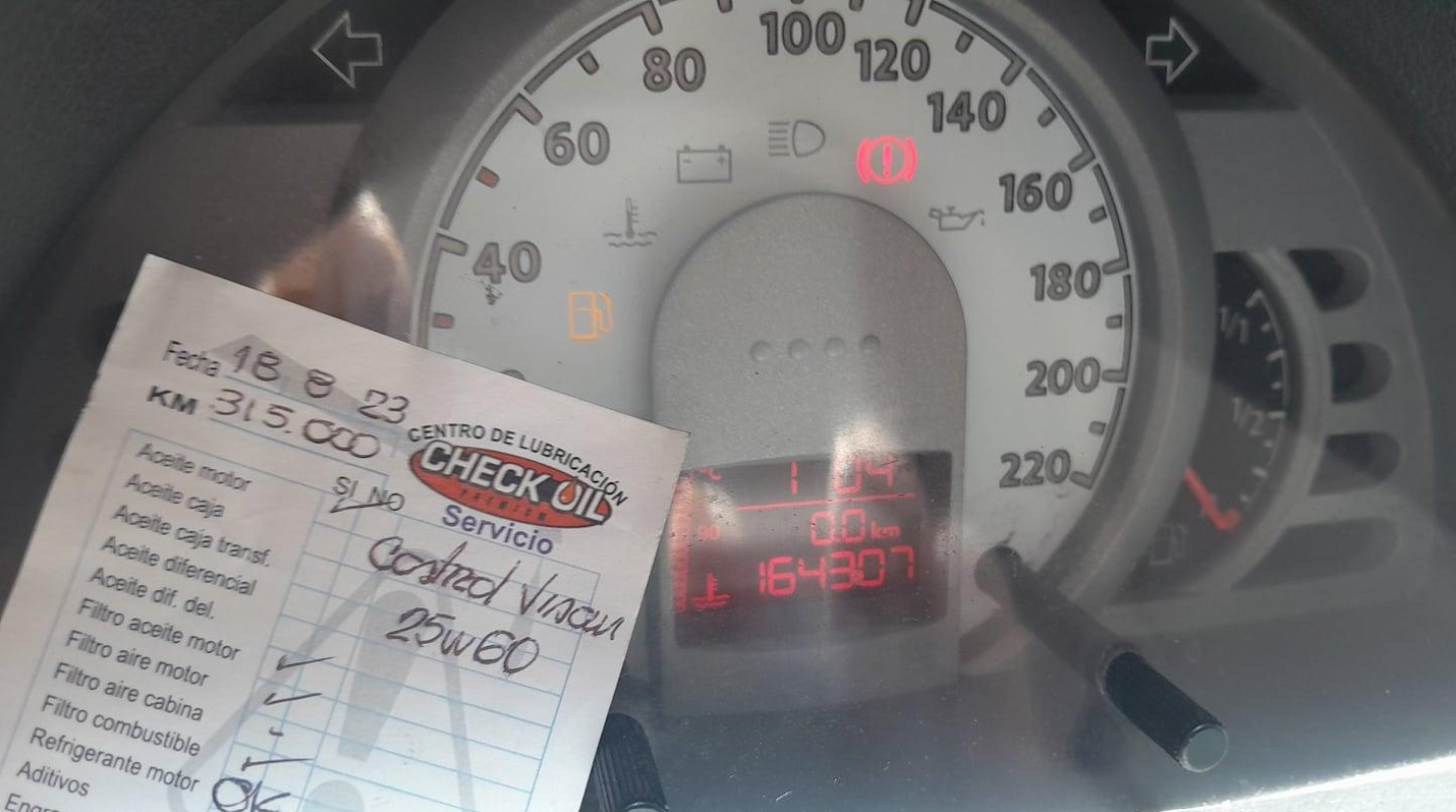
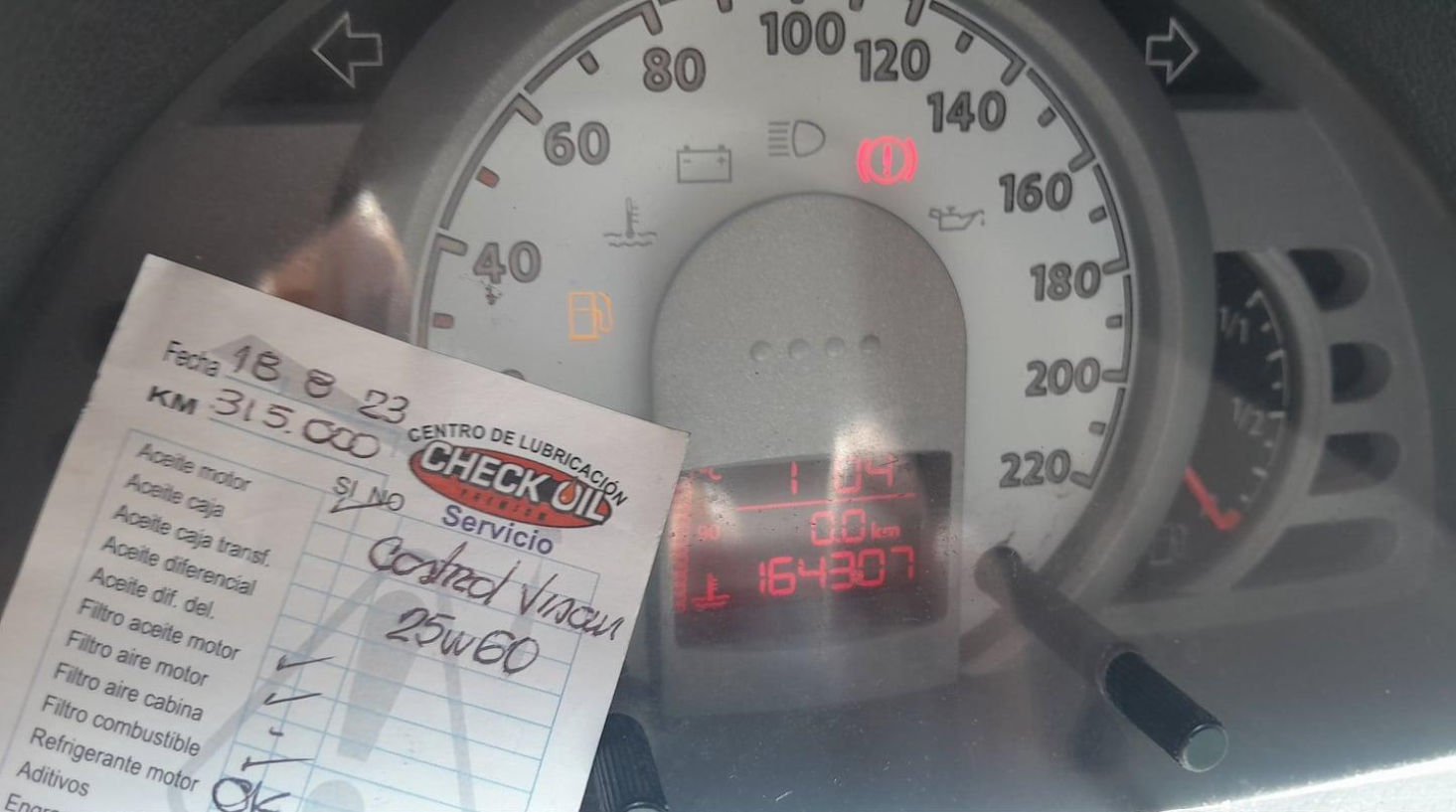
Odometer fraud involves altering, resetting, or otherwise manipulating a vehicle's mileage display to make it appear less driven than it really is. Digital odometers can make tampering difficult to detect visually.
The National Highway Traffic Safety Administration estimates that more than 450,000 vehicles are sold annually with false odometer readings in the United States. The agency also warns that mileage fraud increases the price consumers pay for affected vehicles.
How to look for mileage inconsistencies
Compare the displayed mileage with available maintenance records, inspection documents, title information, and vehicle history reports.
Look for inconsistencies between the mileage and the vehicle's apparent condition. Heavily worn pedals, seats, steering-wheel surfaces, or other frequently used components may deserve questions if the odometer shows exceptionally low mileage.
Wear alone cannot establish fraud because vehicles are driven and maintained differently. Some cars accumulate highway miles with relatively little interior wear, while others experience substantial wear during short urban trips.
The important issue is whether the available evidence tells a consistent story.
If the seller cannot explain significant discrepancies or refuses to provide reasonable documentation, do not let an attractive price persuade you to ignore the warning signs.
Flood-Damaged Cars Can Look Better Than They Are
Flood damage is another risk that can create long-term expenses.
A vehicle exposed to significant water intrusion may develop corrosion, electrical faults, damaged sensors, interior deterioration, or problems with mechanical components. Some issues appear immediately, while others emerge months later.
A vehicle may also be cleaned, detailed, or cosmetically restored to make it more appealing after flood exposure.
Warning signs to investigate
Potential clues include musty odors, unexplained dampness, water stains, corrosion in unusual locations, silt or debris in hidden areas, and inconsistent interior materials. Electrical malfunctions can also justify further investigation.
None of these signs independently proves flood damage. A musty smell, for example, could have another cause. Likewise, a clean interior does not prove that a vehicle has never been flooded.
Check the vehicle history and title records, examine the car carefully, and arrange an independent inspection if you have concerns.
The financial risk is not limited to repairing visible damage. Intermittent electrical problems can be difficult to diagnose, and some flood-related deterioration may not be immediately apparent.
The Warranty That May Not Protect Your Wallet
A used car advertised with a warranty may sound like a safer choice. But the word warranty can create expectations that the actual agreement does not meet.
Coverage varies widely. One agreement may cover specified major components, while another excludes many parts likely to need attention as a vehicle ages.
Understand what is actually covered
Before relying on a warranty, check:
- Which components are covered.
- How long the coverage lasts and whether a mileage limit applies.
- Whether the agreement has a deductible.
- Whether labor and diagnostic fees are covered.
- Which conditions or types of damage are excluded.
- Whether repairs must be approved in advance.
- Where covered repairs can be performed.
- Whether the warranty can be transferred if you sell the car.
A warranty that covers only a limited set of components may leave you responsible for substantial repair bills.
Also distinguish between a manufacturer's remaining warranty, a dealer-provided warranty, and a separately purchased service contract. These products can have different terms and responsibilities.
What does "as is" mean?
In a dealer sale, an “as is” disclosure generally indicates that the dealer is not providing a dealer warranty, subject to applicable law. State laws vary, and some limit or prohibit certain as-is sales.
The Federal Trade Commission requires dealers covered by the Used Car Rule to display a Buyers Guide on most used cars they offer for sale. The guide indicates whether the vehicle is being sold as is or with a warranty and provides information about relevant coverage.
Read the Buyers Guide carefully. If the dealer makes a promise about repairs, warranty coverage, or a return arrangement, get the final terms in writing.
Do not assume that a federal three-day cancellation period automatically applies to a used-car purchase. The FTC explains that federal law does not generally require dealers to give buyers three days to cancel and return a car. State rules and the specific agreement may provide different rights.
Is an extended warranty worth buying?
An extended warranty or service contract may be useful in some circumstances, but it is not automatically a good deal.
Compare its price with the vehicle's age, condition, reliability history, likely repair costs, exclusions, deductible, and coverage period. Consider whether you could handle an uncovered repair without financial hardship.
Read the agreement before paying for it. A product marketed as protection may have limitations that substantially reduce its value for your particular vehicle.
The Extra Fees That Inflate the Purchase Price
Even when a car is mechanically sound, the final cost can be higher than the advertised price.
Depending on the transaction and state, buyers may need to account for sales tax, title and registration charges, documentation fees, and other costs. Some charges are legitimate, while others deserve careful scrutiny.
Ask for the complete out-the-door price
Before visiting a dealership, request a written breakdown of the total amount you would pay to purchase the vehicle. Ask the seller to identify each fee and explain any optional products.
Pay particular attention to charges for accessories, protection packages, paint treatments, anti-theft products, and other add-ons you did not request. If an item is optional, ask whether it can be removed from the deal.
Compare the total price rather than negotiating only over the vehicle's advertised price. A seller offering a slightly lower sticker price may charge more in additional fees.
If a fee or product is unclear, do not sign until you understand it.
Be careful with last-minute add-ons
Buyers sometimes spend hours researching a car and negotiating its price, only to encounter additional products when the paperwork is prepared.
Examples may include service contracts, appearance protection, tire-and-wheel coverage, or other optional packages. Some may offer genuine value to particular buyers, but that does not mean every product is worth its price.
Ask for the price, terms, exclusions, and cancellation conditions of each product. If you do not want it, say so clearly and verify that it has not been included in the final paperwork.
Insurance Can Change Which Car Is Actually Cheaper
Two used cars with similar purchase prices can have very different insurance costs.
Premiums depend on factors such as the vehicle's make and model, repair costs, theft risk, location, coverage selected, driving history, and other rating factors used by the insurer.
A vehicle that is inexpensive to purchase may be costly to insure if it has expensive parts, a high theft rate, or a history of costly claims.
Before buying, obtain insurance quotes for the exact vehicles you are considering. Use accurate details about the vehicle and the coverage you need.
Compare the deductible, liability limits, comprehensive coverage, and collision coverage rather than looking only at the monthly premium.
You should also consider whether the vehicle's value justifies the cost of optional coverage. That decision depends on your finances, risk tolerance, and the potential loss you would have to absorb yourself.
Fuel Economy and Maintenance Can Erase the Savings
A cheap vehicle may become expensive through everyday use, even if it never suffers a major breakdown.
Fuel consumption, oil changes, tires, routine servicing, and replacement parts all contribute to ownership costs. A vehicle that requires premium fuel or has relatively poor fuel economy may cost more to operate than a comparable alternative.
Calculate fuel costs realistically
Estimate how many miles you expect to drive each year, the vehicle's likely real-world fuel economy, and the fuel price in your area.
For example, a vehicle driven 12,000 miles annually at 25 miles per gallon would use approximately 480 gallons of fuel per year. A vehicle achieving 35 miles per gallon would use about 343 gallons over the same distance.
That is a difference of roughly 137 gallons annually. Multiply the difference by your expected price per gallon to estimate the potential yearly savings.
These are illustrative calculations, not guarantees of real-world performance. Driving style, traffic, weather, maintenance, and the vehicle's condition can affect fuel economy.
Check maintenance requirements before purchasing
Research the recommended maintenance schedule for the exact make, model, engine, and model year. Some vehicles have service intervals or replacement items that can create significant expenses.
Ask for service records and determine whether major maintenance is approaching. A car that is overdue for important service may need immediate attention, even if it drives well.
Research the availability and cost of common replacement parts, too. A vehicle with an attractive purchase price may be less appealing if routine repairs are unusually expensive in your area.
Depreciation and Resale Value Matter, Too
A vehicle's cost is not determined only by what you pay and what you spend on repairs. It also includes how much value the car loses while you own it.
Depreciation is the difference between the price you pay and the amount you can eventually recover when selling or trading in the vehicle. Used cars have already experienced some depreciation, but their values can continue to decline.
A car with a very low purchase price may be cheap for a reason: limited demand, a poor reliability record, an unpopular configuration, a branded title, or expensive repairs on the horizon.
Think about your likely ownership period
If you plan to keep the vehicle for several years, reliability and maintenance costs may matter more than short-term resale value. If you expect to sell it soon, demand, condition, mileage, and resale prospects may deserve more attention.
Research comparable vehicles rather than relying on the seller's estimate of future value. No resale estimate is guaranteed, because market conditions and vehicle condition can change.
Also consider whether a vehicle with a documented service history and a clean title could be worth paying somewhat more for than a superficially similar car with unresolved questions.
How to Inspect a Used Car Before You Buy
A disciplined inspection process helps you uncover problems before money changes hands. No single check can eliminate every risk, but several independent checks can provide a much clearer picture.
1. Research the exact vehicle
Find the vehicle identification number (VIN) and use it to investigate available history records. Review ownership and mileage information, reported accidents, title status, and any available service documentation.
Check for outstanding safety recalls using the National Highway Traffic Safety Administration's vehicle lookup resources.
A history report is not a substitute for a mechanical inspection, and an apparently clean report does not guarantee that a vehicle has no problems.
2. Examine the title and ownership documents
Confirm that the seller has the legal authority to sell the vehicle and that the title information matches the car. Look for inconsistencies involving the VIN, ownership details, mileage disclosures, or title branding.
Understand what terms such as salvage, rebuilt, or flood-related branding mean under the applicable state rules. These designations can affect insurability, financing options, resale value, and future ownership costs.
If the paperwork is incomplete or the seller pressures you to ignore discrepancies, do not proceed until the issue has been resolved.
3. Arrange an independent mechanical inspection
Choose a mechanic who is independent of the seller and experienced with the vehicle type. Ask for a written assessment of major systems, safety issues, upcoming maintenance, and estimated repair costs.
The mechanic may identify problems that are not obvious during a test drive, including leaks, worn components, previous repairs, or diagnostic faults.
Use the findings to decide whether to negotiate the price, ask the seller to address specific repairs, or walk away.
4. Take a meaningful test drive
Drive the vehicle under conditions similar to those you expect to encounter. If possible, test it in both slower traffic and at normal road speeds.
Pay attention to braking, steering, acceleration, transmission behavior, unusual noises, warning lights, and signs of overheating. Test basic features such as air conditioning, windows, lights, and safety equipment.
A test drive can reveal issues, but it cannot replace the mechanic's inspection.
5. Get every important promise in writing
If the seller agrees to repair a problem, provide a particular warranty, or include an accessory, ensure the final written agreement reflects that promise.
Keep copies of the advertisement, inspection report, history report, Buyers Guide, warranty documents, and purchase contract. These records can help clarify what was represented and what was agreed upon if a dispute arises later.
How to Build a Realistic Used-Car Budget
A useful used-car budget separates the cost of acquiring the vehicle from the cost of keeping it.
Before purchasing, estimate the following categories:
Cost category | What to include |
|---|---|
Purchase | Agreed vehicle price |
Transaction costs | Applicable taxes, title, registration, and disclosed fees |
Immediate repairs | Work identified during the independent inspection |
Initial maintenance | Service that is due soon |
Insurance | Premiums for the coverage you choose |
Fuel | Expected annual driving and realistic fuel economy |
Routine maintenance | Oil, filters, tires, brakes, and scheduled service |
Unexpected repairs | A reserve based on the vehicle's condition and your finances |
Resale | Expected future value, treated as an estimate rather than a guarantee |
The goal is not to predict every future expense perfectly. It is to avoid making a decision based solely on the purchase price.
If a car only fits your budget when you assume that nothing will break, it may be too risky for your financial situation.
When Should You Walk Away From a Used Car?
A low price can make buyers overlook warning signs. Deciding in advance which problems are deal-breakers can help you stay objective.
Consider walking away when:
- The seller refuses an independent inspection.
- The VIN, title, mileage, or ownership information does not match.
- The seller will not provide reasonable answers about the vehicle's history.
- The car shows signs of serious structural damage or unexplained flood exposure.
- The inspection identifies major repairs that make the total cost unattractive.
- The warranty terms differ from what the seller promised.
- The seller pressures you to sign immediately or discourages you from reading the contract.
- Additional fees or products appear in the final paperwork without a clear explanation.
A seller may have an innocent explanation for an individual concern, but you are not required to accept uncertainty simply because the vehicle is affordable.
There will be other cars. Protecting your money is more important than winning a negotiation on a vehicle that does not make financial sense.
Conclusions
Buying a used car can be an effective way to reduce transportation costs, but the advertised price rarely tells the whole story. Mechanical repairs, accident damage, odometer fraud, flood exposure, warranty limitations, insurance premiums, transaction fees, and ongoing maintenance can all change the financial calculation.
The best protection is preparation. Research the vehicle's history, verify the title and mileage, check for recalls, obtain insurance quotes, and arrange an independent inspection before buying. Ask for the complete out-the-door price, read the warranty and purchase documents, and get important promises in writing.
Most importantly, compare the total cost of ownership rather than choosing the vehicle with the lowest sticker price. A well-maintained car with clear records may offer better long-term value than a cheaper vehicle that requires immediate repairs or comes with unanswered questions.
Give yourself permission to walk away if the numbers do not work. The goal is not simply to buy a car for less money. It is to find reliable transportation at a cost you can realistically afford.
For more consumer-focused financial guidance, explore Finiuo. Readers can also visit Jurnza for legal information and Dryzen Royal for food and nutrition topics.
A genuine bargain should make your finances stronger, not leave you paying for surprises you could have investigated before signing.