

The $0 Return That Isn't Free: The Hidden Fee That Shrink Your Refund
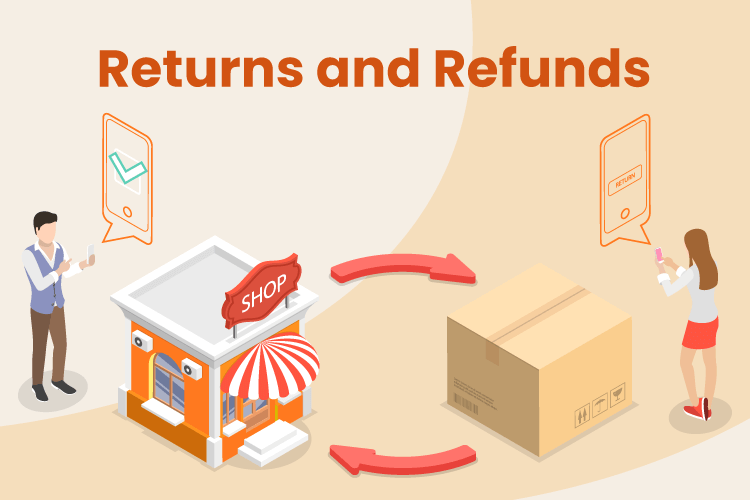
Online shopping makes buying products easier than ever. With a few clicks, consumers can order clothing, electronics, furniture, beauty products, and household essentials without leaving home. Many retailers make the experience even more attractive by advertising free returns, easy refunds, or hassle-free exchanges. But there is a catch: returning a product does not always mean getting all your money back it may contain a fee.
Depending on the retailer's policy, the reason for the return, and the product involved, shoppers may encounter return shipping fees, restocking charges, deductions for prepaid labels, or other costs that reduce their refunds. Some expenses appear only after a return is initiated, while others are disclosed in policy pages that customers may overlook during checkout.
A product that initially seemed like a risk-free purchase can become surprisingly expensive when it does not meet expectations.
Consider a shopper who buys a $120 jacket, pays $8 for shipping, and later discovers that returning it will cost $12. If the original shipping charge is nonrefundable, the shopper could lose $20 even after receiving a refund for the jacket itself. If the retailer also applies a clearly disclosed restocking fee, the amount recovered could be smaller still.
The problem is not that every return fee is unfair. Retailers have legitimate costs associated with processing returned products, inspecting merchandise, and transporting packages. The challenge for consumers is understanding which charges apply before making a purchase.
Knowing how return policies work can help shoppers avoid unnecessary expenses, compare retailers more accurately, and protect their budgets when an online purchase goes wrong.
What Does "Free Returns" Actually Mean?
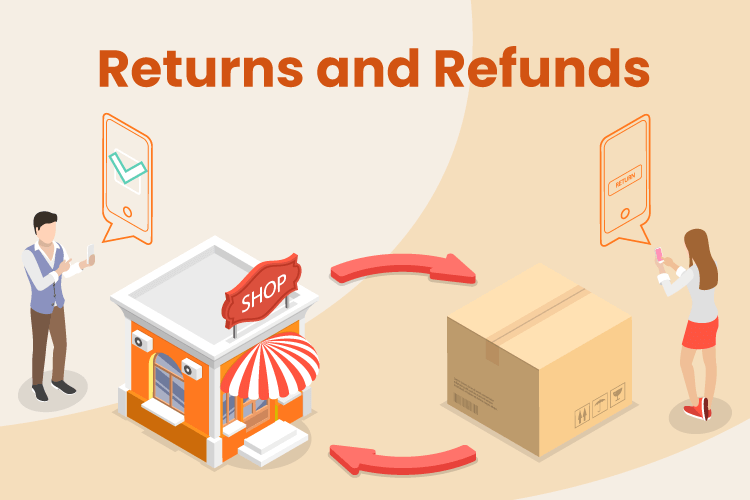
The phrase "free returns" sounds straightforward, but it does not necessarily mean every aspect of returning an order will cost nothing.
A retailer might cover the shipping cost for eligible returns while excluding final-sale products, certain product categories, or purchases made through third-party sellers. Another retailer may provide free returns only when customers use a specific shipping method or return the merchandise to an eligible physical store.
Some policies also distinguish between returns caused by a retailer's mistake and returns made because a customer changed their mind.
For example, a company may pay the return shipping cost when it sends the wrong item but charge customers who return correctly delivered products because they no longer want them.
These distinctions can significantly affect the final refund.
Free return shipping is not the same as a full refund
Even when a retailer covers return shipping, the original delivery charge may not be refundable under its policy. Depending on the purchase and applicable law, other deductions may also apply.
Imagine purchasing a $75 item with a $7 delivery charge. The retailer advertises free returns, so you send the item back using its prepaid label.
If the retailer refunds the full $75 purchase price but does not refund the original delivery charge, you receive $75 rather than the $82 you originally paid.
The return shipping was free, but the overall transaction still cost you $7.
Whether the original shipping charge must be refunded depends on the circumstances, the retailer's terms, and any applicable consumer-protection requirements. The key lesson is to distinguish between free return shipping and a promise to reimburse every amount associated with an order.
Check what the promise covers
Before buying, look for specific answers to these questions:
- Does the retailer cover return shipping?
- Is the original shipping charge refundable?
- Are there restocking fees or other deductions?
- Must the item be returned in its original packaging?
- Are certain products excluded from the return policy?
- Does the policy change for sale items or third-party marketplace purchases?
- Is there a deadline for requesting a return and sending the package?
A clear policy should explain the conditions under which a return qualifies for a refund. If the wording is vague, contact customer service before purchasing an expensive item.
Return Shipping Fees: The First Hidden Cost
Return shipping is one of the most common expenses consumers may encounter when returning online purchases.
A retailer can handle this cost in several ways. It might provide a prepaid label at no charge, deduct the label's cost from the refund, require customers to purchase their own postage, or offer free returns only through selected methods.
The difference can be substantial, particularly for heavy, oversized, or bulky products.
When the return label is not really free
Some retailers make the return process easy by generating a prepaid shipping label. However, prepaid does not necessarily mean free.
The retailer may pay the shipping provider upfront and then deduct the charge from the customer's refund. Because the amount is subtracted later, shoppers may not realize the cost until the refund is processed.
Suppose you buy a $90 household product and return it because you decide it is unsuitable. The retailer deducts $10 for the return label.
Your refund becomes $80, assuming there are no other deductions.
That charge may be permitted under the retailer's disclosed policy and applicable law. The problem arises when shoppers assume that a prepaid label is automatically covered by the seller.
Always check whether the label is free to use or whether its cost will be deducted from the refund.
Why large products can be expensive to return
Returning a pair of lightweight shoes is different from returning a large desk, a television, or a piece of furniture.
Oversized items may require special packaging, freight transportation, scheduled collection, or professional handling. The retailer's return process may involve fees that are much higher than ordinary parcel postage.
A product advertised at an attractive price can therefore carry a significant financial risk if it does not fit, match the description, or meet your expectations.
Before ordering large products online, confirm how returns work and whether the retailer provides collection services. Check who pays for collection, whether packaging is required, and what happens if the product arrives damaged.
For expensive purchases, these details should be part of the buying decision rather than something discovered after delivery.
Restocking Fees: Why Your Refund May Be Smaller Than Expected
A restocking fee is a charge a retailer may impose when accepting a returned product. Depending on the policy and applicable law, the fee may help cover inspection, repackaging, handling, or the costs associated with preparing merchandise for resale.
Not every retailer charges restocking fees, and not every product is subject to them. Their use and enforceability depend on the transaction, the terms disclosed, and applicable consumer-protection rules.
For shoppers, the important point is that a restocking fee can reduce the refund even when the retailer accepts the return.
How a restocking fee affects your refund
Imagine buying an electronic device for $500. The seller's disclosed return policy allows eligible returns but applies a 15% restocking fee in certain circumstances.
If the fee applies to the full $500 purchase price, the deduction would be $75, leaving a merchandise refund of $425 before accounting for any shipping charges or other applicable adjustments.
That is a substantial difference.
The calculation is simple:
Restocking fee = applicable fee percentage × amount subject to the fee
However, the actual calculation depends on the retailer's terms. The fee might apply only to certain products or return circumstances, and the policy may define the amount differently.
Never assume that every accepted return results in a refund equal to the original merchandise price.
When should shoppers be especially cautious?
Restocking fees deserve particular attention when purchasing:
- Electronics and computer equipment
- Large appliances
- Furniture and oversized merchandise
- Special-order products
- Products that require assembly or special handling
These categories can involve additional processing or transportation costs, although many retailers in these markets offer fee-free returns under certain conditions.
Read the specific policy instead of assuming that all products in a category follow the same rules.
Also check whether the fee applies to an ordinary change-of-mind return, an opened product, a missing accessory, or an item that has been used. Those distinctions can determine how much money you recover.
Original Shipping Charges Can Disappear From Your Refund
Another potential cost is the delivery charge paid when the order was placed.
Consumers often focus on the price of the product and the cost of returning it. They may overlook the initial shipping fee because it was paid before they decided to return the purchase.
Yet that charge can affect the total cost of an unsuccessful transaction.
Consider this example:
Purchase detail | Amount |
|---|---|
Product price | $100 |
Original shipping | $9 |
Total paid | $109 |
Merchandise refund | $100 |
Original shipping refunded | $0 |
Final amount recovered | $100 |
Total unrecovered cost | $9 |
In this example, the retailer refunds the merchandise price but keeps the original shipping charge under its stated policy.
The shopper effectively spends $9 to try a product that ultimately does not work out.
This is not necessarily unlawful or improper. Whether the original delivery charge must be refunded can depend on the reason for the return, the type of transaction, and the applicable terms and law.
For instance, a return caused by an incorrect shipment or another seller error may be treated differently from a return made simply because the customer changed their mind.
Before placing an order, check whether the initial delivery charge is refundable and whether the policy changes when the seller is responsible for the problem.
The Difference Between Changing Your Mind and Receiving a Defective Product
One of the most important details in a return policy is the reason for the return.
Retailers frequently distinguish between customer-initiated returns and returns caused by problems with the order. That distinction can affect who pays shipping, whether a restocking fee applies, and what remedy is available.
When you simply do not want the product
Suppose you order a pair of shoes, receive the correct model and size, and decide that you no longer want them.
Depending on the seller's policy, you might have to pay return shipping or accept a deduction for a prepaid label. If the product falls outside the eligible return period, the retailer may refuse the return altogether, subject to applicable law and any separate promises it made.
This is why it is useful to check the return conditions before purchasing items you are uncertain about.
When the seller makes a mistake
Now imagine that you order a black jacket but receive a blue one.
Or you buy a new electronic device that arrives damaged or does not match its advertised specifications.
These situations are different from an ordinary change-of-mind return. The seller may have obligations under its policies, warranties, contract terms, or applicable consumer-protection law.
Do not automatically accept a return shipping charge simply because the website normally charges for returns. Explain the problem to the retailer, document the discrepancy, and ask for the appropriate remedy.
If the seller's own mistake caused the return, request written confirmation of whether shipping and other related costs will be covered.
What if the retailer refuses to help?
Save the order confirmation, photographs, product listing, correspondence, and any relevant return-policy language. If you paid by card or another payment service, review its dispute process and deadlines.
A payment dispute is not a guaranteed refund, and the available options depend on the facts and the payment method. However, accurate documentation can help explain why the transaction did not match what was promised.
Final-Sale Items and Products With Special Return Rules
Some products have more restrictive return conditions than others.
Retailers may limit returns on clearance merchandise, personalized products, opened hygiene-related items, digital goods, or products made to order. Certain exclusions may be reasonable because the merchandise cannot easily be resold or because of health, safety, or customization concerns.
But a shopper should not assume that a "final sale" label settles every legal question.
The terms of the purchase and applicable law still matter. A retailer's policy may not eliminate rights that consumers have under relevant laws, particularly when goods are defective, misrepresented, or otherwise covered by a legal remedy.
Clearance does not always mean no rights
A discounted item can be sold under a final-sale policy, but consumers should understand what that policy covers.
A retailer might refuse change-of-mind returns while still addressing products that arrive damaged or materially different from the description. The details depend on the transaction and applicable rules.
Before purchasing final-sale merchandise, check whether the item is discounted because of a cosmetic flaw, an older model, missing accessories, or another condition that affects its value.
If a defect is disclosed before purchase, your options may differ from a situation in which the seller fails to disclose a significant problem.
Personalized and made-to-order products
Products made specifically for a customer can have limited return options because the seller may be unable to resell them to someone else.
Examples include personalized gifts, custom furniture, engraved accessories, and products manufactured to a specific size or design.
If the item is customized, confirm the measurements, spelling, colors, materials, and design details before approving the order. A small error can become an expensive problem when the return policy excludes ordinary changes of mind.
If the product arrives incorrectly made or differs from the approved design, document the issue and ask the seller to explain the available remedy.
How Return Policies Can Make a Cheap Purchase More Expensive
Consumers often compare online prices by looking at the amount shown on the product page. However, the initial price does not tell the whole story when returning the item could involve extra costs.
A retailer with a slightly higher price but a generous return policy may offer better overall value than a cheaper seller with expensive return shipping and restrictive conditions.
This matters most when you are uncertain about fit, compatibility, quality, or suitability.
Compare the cost of a possible return
Suppose two retailers sell the same item.
Cost or condition | Retailer A | Retailer B |
|---|---|---|
Product price | $85 | $92 |
Original shipping | $8 | $0 |
Return shipping if charged | $14 | $0 |
Restocking fee | None | None |
Total paid initially | $93 | $92 |
If you keep the product, Retailer A costs $1 more than Retailer B. But if you return it and must pay both shipping charges under Retailer A's policy, the cost of the unsuccessful purchase could be $22, assuming the merchandise price is fully refunded.
Retailer B may offer a better overall experience if its free-return terms apply to your purchase.
The point is not that free returns are always worth paying extra for. It is that return conditions can be part of a product's total financial value.
Think about return risk before buying
The likelihood of needing a return differs by product.
If you are ordering a familiar item from a retailer you trust, the risk may be relatively low. If you are buying an unfamiliar brand, choosing clothing with uncertain sizing, or purchasing a costly product that must fit a specific space, the return policy deserves more attention.
Consider the possible cost of getting the decision wrong. A small return charge may be manageable on a low-cost purchase, while a large restocking fee on an expensive product could make a substantial difference.
A Practical Checklist to Protect Your Refund
A few simple steps can help reduce the chances of losing money when returning online purchases.
1. Read the return policy before checkout.
Look specifically for return shipping, restocking fees, refund timelines, original shipping charges, and product exclusions. Do not rely only on a banner that says "free returns."
2. Check the return window.
Confirm how long you have to request the return and whether the package must be shipped or received by a particular date. Keep a record of the deadline.
3. Understand who pays for return shipping.
Determine whether the retailer provides a genuinely free label, deducts its cost from your refund, or requires you to arrange postage yourself.
4. Confirm whether the original delivery charge is refundable.
This can make a difference even when the product price is fully refunded.
5. Check for restocking fees.
If a fee applies, find out which products and circumstances trigger it, how it is calculated, and whether the policy distinguishes between defective items and change-of-mind returns.
6. Keep packaging and accessories.
Until you are sure you want to keep the product, retain the box, manuals, cables, tags, protective materials, and other included items. Missing components or damaged packaging can affect the return process under some policies.
7. Photograph problems immediately.
If the item arrives damaged, incomplete, or different from what you ordered, take clear photographs and contact the retailer promptly. Keep the packaging until the issue is resolved.
8. Use the retailer's documented return process.
Follow the instructions carefully and save the return authorization, shipping label, tracking number, and drop-off receipt. These records can help if the package is delayed or the refund is disputed.
9. Check the refund breakdown.
When the refund arrives, compare it with the amount you expected. If there are deductions you do not understand, ask the retailer for an itemized explanation and the policy provision supporting each charge.
10. Compare policies when purchasing expensive products.
For furniture, electronics, appliances, and other high-cost items, review the return policy alongside the product price. A little research before checkout can prevent an expensive surprise later.
What U.S. Consumers Should Know About Return-Fee Disputes
In the United States, return policies are influenced by retailer terms, federal and state consumer-protection laws, and the circumstances of the transaction. There is no single rule that guarantees every shopper a free return or a full refund whenever they change their mind.
Many retailers establish their own return windows, shipping arrangements, and restocking policies. Those terms may govern ordinary returns, but they do not necessarily resolve situations involving defective products, misleading representations, or other legal obligations.
The Federal Trade Commission provides consumer information about online shopping and consumer rights. State attorneys general and consumer-protection offices may also offer guidance or accept complaints about potentially deceptive business practices.
When a fee may deserve a closer look
Consider asking questions when:
- A retailer advertises free returns but deducts an unexplained shipping charge.
- A restocking fee appears that was not clearly disclosed before purchase.
- The seller charges you to return an item that arrived damaged or materially different from the listing.
- The retailer refuses to explain how your refund was calculated.
- The return policy appears inconsistent with the promises made during checkout.
These circumstances do not automatically establish that the seller broke the law. The policy wording, the evidence, and applicable legal requirements all matter.
Start by requesting an explanation in writing. If the response does not resolve the issue, consider contacting the relevant consumer-protection agency or reviewing any dispute options offered by your payment provider.
Keep your expectations realistic: a complaint or payment dispute may help resolve a problem, but neither guarantees a particular outcome.
For more practical money guidance, readers can explore Finiuo. For consumer-law topics and legal information, Jurnza offers a complementary resource. Readers interested in dry fruits and nutrition can also visit Dryzen Royal.
Conclusions
A free-return label does not always mean a return will cost nothing. Original delivery charges, return shipping, restocking fees, and product-specific restrictions can all affect how much money shoppers recover when an online purchase does not work out.
The smartest approach is to understand the entire return policy before placing an order. Check who pays for shipping, whether the initial delivery charge is refundable, which products qualify for returns, and whether any deductions may apply. These details are especially important when buying expensive, bulky, customized, or unfamiliar products.
If a return becomes necessary, keep your receipts, packaging, tracking information, and evidence of any product problems. Follow the retailer's instructions and review the refund breakdown carefully. If a charge seems inconsistent with the policy or the promises made at checkout, ask for an explanation rather than assuming the deduction is correct.
It is also worth comparing return policies alongside product prices. A slightly more expensive item from a retailer with clearer terms and lower return costs may offer better value than the cheapest listing.
Ultimately, the goal is not to avoid every return fee at any cost. It is to know what you are agreeing to, recognize when a charge is justified, and avoid paying unnecessary expenses because important conditions were overlooked.
Before clicking Buy, check what happens if you need to click Return. That small habit can protect your refund and help keep online shopping from becoming more expensive than expected.