

That $49 Flight Is Not Really $49: The Hidden Travel Fees That Blow Up Your Budget
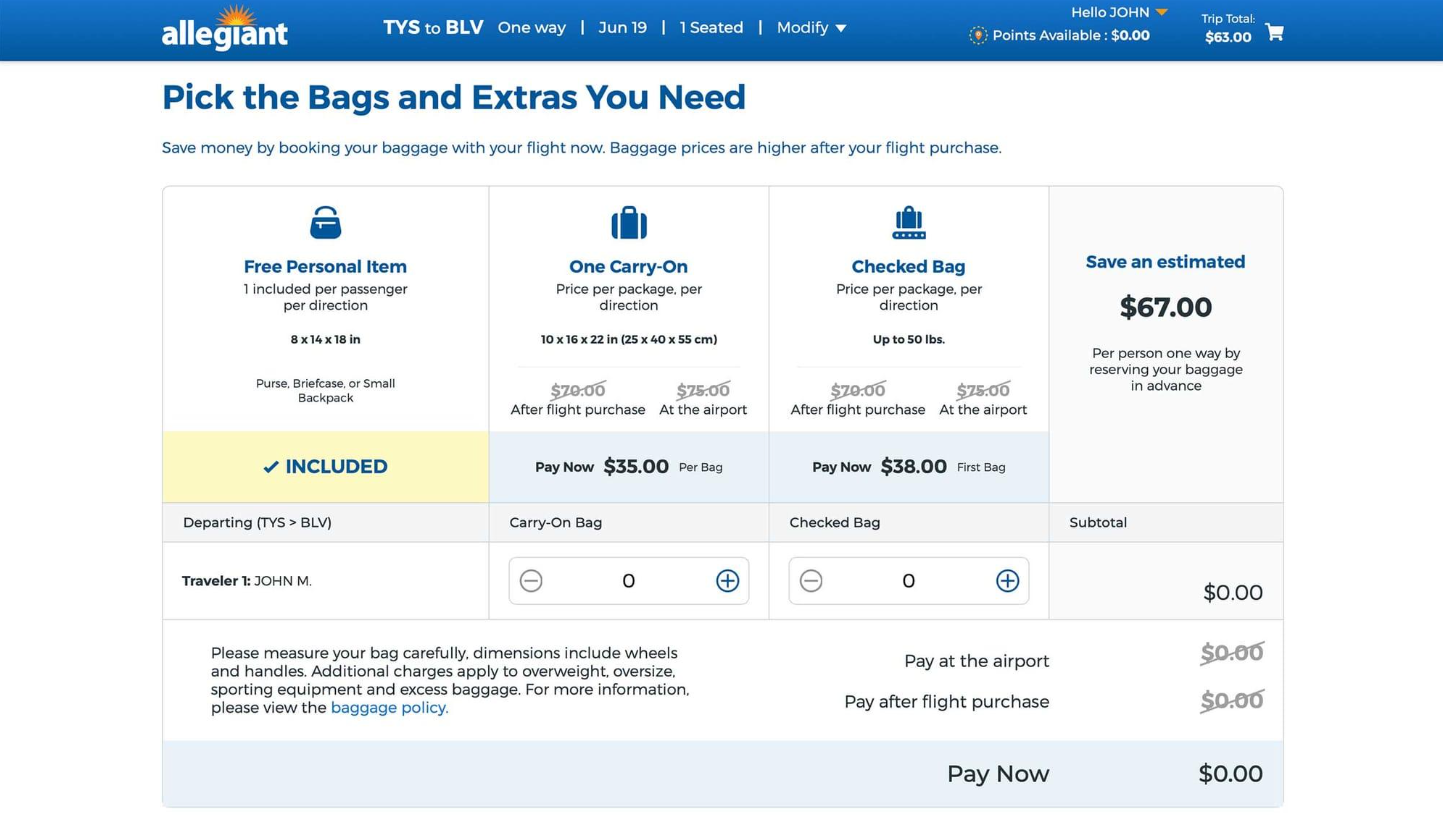
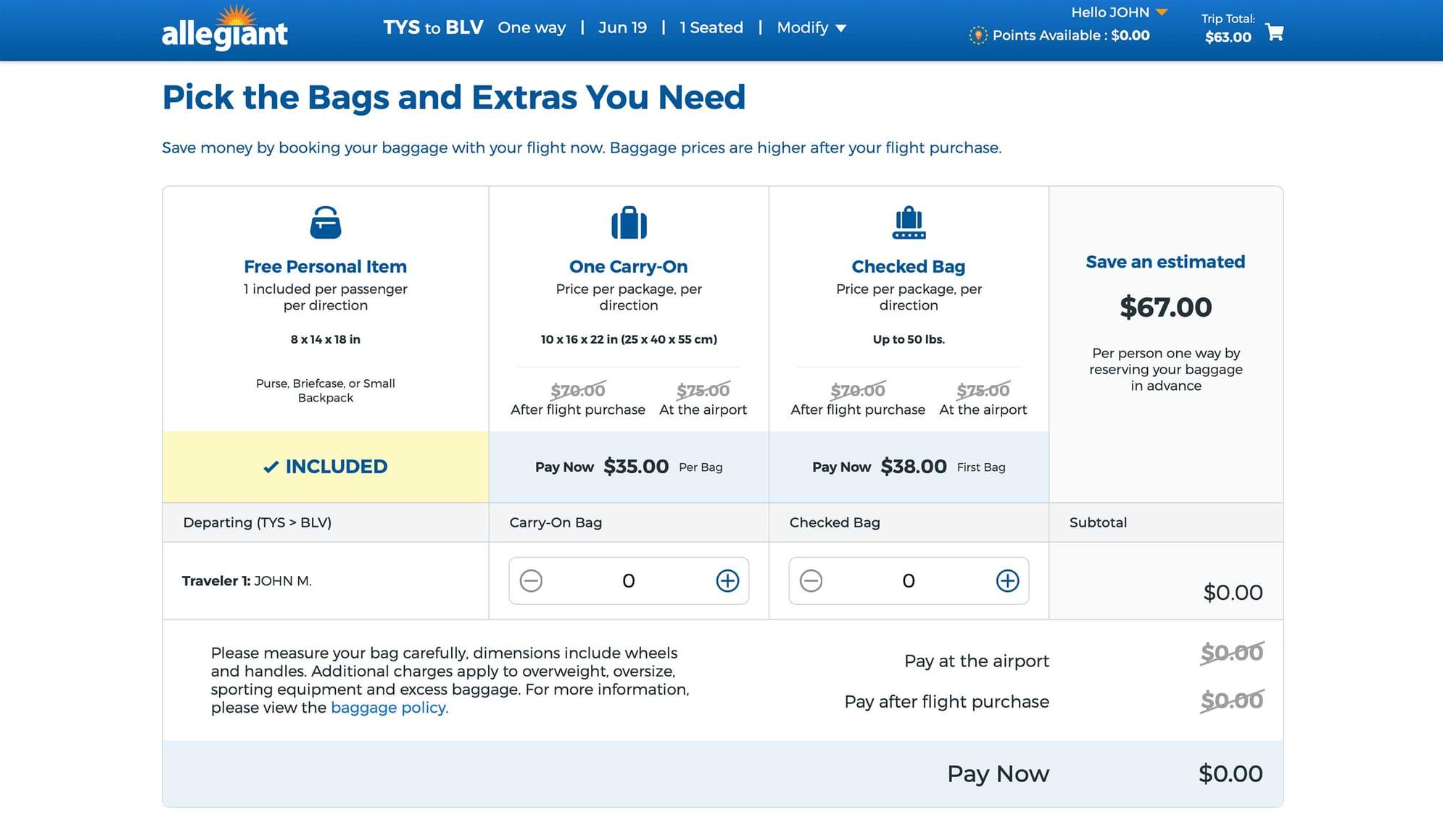
A $49 flight deal can look like the perfect opportunity to take a weekend trip without putting much pressure on your budget. You find the destination, choose your dates, and imagine spending the money you saved on restaurants, sightseeing, or a comfortable hotel. Then you reach checkout. A carry-on bag costs extra. Choosing a seat adds another charge. The return flight has different restrictions. Suddenly, the bargain does not look nearly as attractive. Why? Fees.
Airfare is only one part of the problem. Hotel resort fees, vacation rental cleaning charges, airport transportation, cancellation penalties, and optional booking services can all push the final cost of a trip well above the price that first caught your attention.
These expenses are not always illegal or improperly disclosed. Some are legitimate charges for optional services, while others are mandatory fees that may be subject to consumer-protection rules. The challenge is that travelers often compare the most visible price rather than the total amount they will actually pay.
Understanding hidden travel fees can help you avoid expensive surprises without giving up the benefits of comparison shopping. The goal is not necessarily to find the lowest advertised price. It is to find the lowest realistic price for the trip you actually want.
Why Cheap Travel Deals Can Become Expensive
Travel companies compete for attention in a crowded market. A low starting price is an effective way to make a flight, hotel room, or vacation rental stand out among dozens of alternatives.
However, the advertised price may describe only a limited version of the service. A basic airline ticket might cover transportation but exclude checked baggage, advance seat selection, and other conveniences. A hotel rate might not immediately show every mandatory charge in the same prominent way as the nightly room price. A vacation rental may have a reasonable nightly rate but substantial fixed fees.
This creates a difference between the advertised price and the total trip cost.
Imagine two round-trip flights. Airline A advertises a fare of $120, while Airline B advertises $155. At first glance, Airline A appears to save $35. But suppose you need a carry-on bag, want to sit beside your travel companion, and expect to make a change if your schedule shifts.
Expense | Airline A | Airline B |
|---|---|---|
Advertised round-trip fare | $120 | $155 |
Carry-on or baggage charges | $70 | $0 |
Seat selection | $30 | $0 |
Change-related cost allowance | $40 | $0 |
Illustrative total | $260 | $155 |
These figures are hypothetical, not actual airline prices or a prediction of what any carrier will charge. They show how a seemingly cheaper option can become more expensive once you account for the services and flexibility you need.
The reverse can also happen. A low-cost carrier may remain the best deal if you travel light, accept the assigned seat, and do not need flexible ticket conditions. Paying more for features you will not use is not automatically a smart financial decision.
The most useful comparison is therefore not between the prices shown in search results. It is between the final costs of comparable travel options.
1. Airline Baggage Fees Can Change the Entire Calculation
Baggage is one of the first expenses to investigate when comparing flights. Different airlines, fare types, routes, and loyalty benefits can produce very different baggage allowances.
A fare may include a personal item but charge for a larger carry-on bag or checked luggage. Other tickets may include a carry-on but impose a fee for checked baggage. International itineraries can have additional restrictions, especially when different airlines operate separate legs of the same journey.
Before purchasing a ticket, determine what the airline permits you to bring without an extra charge.
Check these details:
- Whether a personal item is included.
- Whether a standard carry-on bag is permitted.
- Whether the fare includes checked luggage.
- The permitted dimensions and weight limits.
- Whether the fee differs when paid online, at the airport, or at the gate.
- Whether each flight segment has the same baggage allowance.
- Whether your airline rewards status or eligible payment card changes the price.
Do not assume that a bag accepted on your outbound flight will be included on the return trip. Different operating carriers, fare conditions, or booking arrangements may produce different rules.
Also, pay attention to size and weight limits. A bag that exceeds the permitted dimensions can trigger an additional charge even when your ticket includes a baggage allowance.
When paying for baggage makes sense
The best option depends on how you travel. Someone taking a two-day trip with a small backpack may save money with a basic fare. A family traveling for a week may spend less overall by choosing a ticket that includes luggage.
Compare the total cost for everyone in your party. A $25 fee may appear insignificant when viewed individually, but four travelers paying $25 each in both directions would incur $200 in baggage charges if the fee applied per person and per flight direction.
That is money that could otherwise cover meals, activities, or ground transportation.
The important step is to verify the airline's current baggage policy for your exact itinerary rather than relying on an old fee chart or a general travel article.
2. Seat Selection Charges Can Add Up
Some travelers are comfortable sitting wherever the airline assigns them. Others need to sit with children, prefer an aisle seat, or want to avoid a middle seat on a long flight.
Airlines may charge for advance seat selection, particularly on basic economy or similarly restricted fares. Preferred locations, extra legroom, and seats closer to the front may cost more than standard seats.
These charges are not necessarily mandatory. If you are comfortable accepting an assigned seat, you may be able to avoid them. However, the decision becomes more complicated when multiple people are traveling together.
Before paying for a seat, ask yourself three questions:
- Do I need to select a particular seat, or would an assigned seat be acceptable?
- Does the airline explain how seats are assigned to people on the same reservation?
- Is the cost of seat selection large enough to make another flight or fare type a better choice?
Families should review the airline's seating policies before booking rather than assume that everyone will automatically be seated together. Rules and practical outcomes can differ, and paying for a seat does not always guarantee every preference a traveler might have.
Consider the entire booking. If selecting seats costs $20 per person each way, two travelers could pay an additional $80 for a round trip. A slightly more expensive fare that includes seat selection may be the better value.
On the other hand, if seat choice is unimportant to you, that extra payment may be unnecessary.
3. Hotel Resort Fees Can Make a Room Look Cheaper Than It Is
Airfare is not the only place where the displayed price can create confusion. Hotels may charge mandatory resort, destination, facility, or similar fees in addition to the nightly room rate.
These charges can be presented under different names. A property might describe a fee as covering internet access, fitness facilities, pool access, local services, or other amenities. Whether you personally use those amenities may not affect your obligation to pay a mandatory fee.
Suppose a hotel advertises a room for $150 per night. A mandatory $35 nightly resort fee would bring the room subtotal to $185 per night before applicable taxes and other charges.
For a four-night stay, the fee alone would add $140.
That difference matters because travelers usually compare hotel rates across several nights. Even a modest nightly charge can become significant over a longer stay.
How to compare hotel prices properly
Do not stop at the first nightly rate displayed in a search result. Enter your dates, choose the correct number of guests, and advance far enough through the booking process to inspect the complete price.
Look for:
- Mandatory resort or destination fees.
- Taxes and government charges.
- Parking fees.
- Charges for additional guests.
- Pet fees, if relevant.
- Early check-in or late check-out charges.
- Deposits and incidental holds.
- Cancellation conditions and deadlines.
A deposit or incidental hold is not always an expense. A refundable security deposit or temporary card authorization may be returned if the booking conditions are satisfied. Nevertheless, it can affect how much available money you need during the trip.
The U.S. Federal Trade Commission's Rule on Unfair or Deceptive Fees, effective May 12, 2025, addresses pricing practices for live-event tickets and short-term lodging. In covered lodging transactions, businesses generally must disclose an upfront total that includes mandatory fees they can calculate in advance, subject to specified exceptions such as government charges and optional add-ons.
The rule does not mean every travel-related fee is prohibited. It focuses on how covered prices and fees are represented. Travelers should still examine the final booking terms, particularly when using platforms or providers that operate in different jurisdictions.
4. Vacation Rental Cleaning and Service Fees Deserve a Closer Look
Vacation rentals can be attractive for families, groups, and longer stays because they may offer kitchens, laundry facilities, and extra space. However, the nightly rate alone may not tell you whether a rental is good value.
Cleaning charges, service fees, extra-guest charges, and other costs can increase the total significantly. A property that appears cheaper than a hotel may become more expensive after all required charges are included.
Fixed fees are particularly important for short stays. A $120 cleaning charge represents $40 per night on a three-night booking, but only $10 per night on a twelve-night booking. The cleaning charge itself has not changed; the length of the stay changes its effect on the average cost.
When comparing rentals, calculate the full amount for the entire stay rather than comparing nightly rates alone.
Also inspect the cancellation policy, refund schedule, check-in requirements, and any rules that could lead to extra charges. A low price is less useful if changing your plans would result in losing a large portion of the booking cost.
For a fair comparison, calculate the total for the same dates, same number of guests, and similar accommodation standards. Compare the rental's final price with the full hotel cost, including any mandatory fees and relevant parking or transportation expenses.
5. Cancellation and Change Fees Can Turn Flexibility Into an Expensive Extra
Travel plans can change because of work, illness, family responsibilities, weather, or transportation disruptions. The cost of changing a reservation depends on the ticket or booking terms, the provider, and the circumstances.
Some discounted airline tickets are nonrefundable or have restrictive conditions. Other fares allow changes but require you to pay any difference between the original fare and the new one. A hotel may offer both a cheaper nonrefundable rate and a more expensive refundable option.
Neither option is automatically better. The right choice depends on the likelihood of a change and the financial consequences if one occurs.
Imagine two hotel options for the same stay:
- A nonrefundable room costs $500.
- A refundable room costs $560.
The refundable room costs $60 more. If your plans remain firm, the cheaper option may save money. If you cancel under circumstances that qualify for a full refund, the extra $60 could be worthwhile.
This does not mean that paying more for flexibility always pays off. You are paying to reduce a specific risk, not purchasing a guaranteed financial benefit in every scenario.
Read the exact cancellation terms
Before booking, identify the cancellation deadline, time zone, refund method, and any penalty. Check whether the deadline is based on the local time of the hotel or another location.
For flights, review the fare conditions and applicable airline policies. In the United States, certain tickets purchased directly from airlines may qualify for a 24-hour cancellation or hold requirement, subject to the applicable federal rules and conditions. Do not assume the same protection applies to every third-party booking, every itinerary, or every situation.
If flexibility is important, compare the cost of a refundable booking with the cost and limitations of any separate travel protection product. Read the actual policy rather than relying on a short sales description.
6. Booking Platforms May Offer Add-Ons You Do Not Need
Online travel agencies and travel apps can make it easy to compare flights, hotels, and rental properties. Some also offer extras such as price-freeze products, travel protection, priority services, or assistance packages.
These options can have legitimate value in certain circumstances, but they can also make it harder to understand the total cost if you do not inspect what has been added.
Pay attention to whether an add-on is optional, what it actually covers, and whether its price is included in the total displayed on the screen.
Never assume that a service labeled “protection,” “flexibility,” or “peace of mind” provides the same benefits as a comprehensive insurance policy. Different products can cover different risks, impose different exclusions, and require different actions from the customer.
In July 2026, the FTC announced a proposed settlement involving travel app Hopper over allegations that included charging certain fees without consent and misleading users about some product benefits and restrictions. The allegations and proposed settlement are specific to that matter; they do not establish that every travel app uses the same practices. The case does, however, illustrate why travelers should inspect add-ons carefully and retain the terms presented when they book.
Before purchasing an extra service, ask:
- What exact event or problem does it cover?
- Is the benefit automatic, or must I take a specific action?
- Are there limits, exclusions, or deadlines?
- Is the charge recurring or one-time?
- Does the provider explain whether the fee is refundable?
- Can I obtain the same benefit directly from the airline, hotel, or another provider?
If the value is unclear, pause before paying.
7. Rental Cars and Airport Transportation Can Create More Surprises
A flight and hotel may fit your budget while transportation at the destination pushes the trip over the limit.
Rental-car prices can depend on the vehicle category, rental period, pickup location, driver eligibility, fuel arrangements, mileage limits, and optional services. Airport locations may have additional taxes or facility charges. Drivers may also face charges for toll programs, additional drivers, young-driver policies, or returning the vehicle with less fuel than required.
Insurance and damage-waiver products deserve special attention. Their cost and coverage can vary, and your personal auto insurance or credit card may provide certain benefits under specific conditions. Those benefits are not universal, so confirm coverage directly with the relevant provider before relying on it.
Compare the complete rental estimate, including mandatory taxes and charges, rather than using the headline daily rate alone.
Then compare the cost with alternatives. For a city trip, public transportation or a combination of transit and rideshare services may be less expensive than renting a car and paying for parking. For a rural destination with limited transit, a rental may be essential.
Airport transportation should be evaluated in the same way. A hotel farther from the airport might have a lower room rate but require expensive transfers. A centrally located hotel may cost more per night yet reduce daily transportation costs.
The cheapest individual booking does not necessarily produce the cheapest trip.
8. Travel Insurance Is Another Cost to Evaluate Carefully
Travel insurance may cover certain unexpected events, but the value of a policy depends on its terms and the risks you need to manage.
Policies can differ in their treatment of trip cancellation, interruption, emergency medical expenses, evacuation, baggage loss, delays, and other situations. Exclusions and documentation requirements can determine whether a claim is paid.
Before purchasing a policy, identify the financial exposure you are trying to protect against. A costly international trip with nonrefundable bookings may create different risks from a short domestic weekend with flexible reservations.
Check whether existing coverage through health insurance, homeowners or renters insurance, an eligible credit card, or another policy already addresses some of those risks. Verify the details directly; coverage should never be assumed from a product name or a general marketing statement.
Do not purchase travel insurance merely because a booking page presents it as the recommended option. Compare the policy terms, price, limits, exclusions, and claims process. Equally, do not reject coverage solely because it increases the upfront cost. A policy may be worthwhile when the covered loss would be difficult for you to absorb.
9. What U.S. Travelers Should Know About Fee-Disclosure Rules
Consumer-protection rules can help, but it is important to understand what they cover.
Airlines must display the total ticket price, including applicable government taxes and fees and mandatory carrier-imposed surcharges, when advertising airfares. Optional services such as baggage, seat selection, onboard meals, and travel insurance are treated separately under applicable rules.
Airline-specific fee-disclosure requirements have also changed. In February 2026, the U.S. Court of Appeals for the Fifth Circuit vacated the Department of Transportation's 2024 rule requiring certain baggage and change-fee disclosures earlier in the booking process. The Department subsequently issued a rule restoring the previous framework. As reflected in the DOT's 2026 guidance, airlines and ticket agents must alert consumers that additional baggage fees may apply and direct them to where those fees can be found; airlines must also maintain a central place on their websites for ancillary-service fee information.
That is not the same as saying every possible airline add-on must be included in the headline fare.
For short-term lodging, the FTC's Rule on Unfair or Deceptive Fees requires covered businesses to show mandatory fees in the upfront total price, with specific exceptions. Optional services, government charges, and certain other fees are treated differently under the rule. The FTC can also address deceptive fee practices outside these particular categories under its broader authority, depending on the facts and applicable law.
These distinctions matter. A fee may be legal if properly disclosed but still be a reason to choose a different provider. A misleading fee presentation may raise consumer-protection concerns, but whether a particular practice violates the law depends on the facts.
If you believe a provider has misrepresented its pricing, keep screenshots of the advertised price, the checkout page, the final receipt, and the relevant terms. Contact the company first when appropriate. You may also consider submitting a complaint to the relevant government agency, such as the Department of Transportation for an airline issue or the Federal Trade Commission for a potentially deceptive business practice.
10. A Simple Method for Calculating the Real Cost of a Trip
You do not need an elaborate spreadsheet to compare travel options. A consistent checklist and a few minutes of calculation can make a meaningful difference.
Step 1: Set the trip requirements
Write down your dates, destination, number of travelers, luggage needs, accommodation requirements, and transportation plans. Decide whether you need refundable bookings or particular seat arrangements.
Step 2: Compare like with like
Use the same dates and number of travelers for each option. For accommodation, compare similar room types and occupancy. For flights, account for baggage, seat preferences, and restrictions that matter to you.
Step 3: Add unavoidable fees
Include mandatory charges that are not already reflected in the price. Check hotel fees, rental-car charges, airport transportation, and other costs that are part of making the trip possible.
Step 4: Price the extras you actually need
Add the cost of services you genuinely expect to use, such as checked bags, advance seats, parking, or a rental car. Do not add every possible extra simply because it is available.
Step 5: Account for flexibility
Compare the price of refundable and nonrefundable options. If your plans are uncertain, decide whether the extra cost of flexibility is reasonable for your situation.
Step 6: Review the final checkout screen
Before paying, verify the dates, traveler names, room type, baggage allowance, cancellation policy, selected add-ons, taxes, and final amount. Remove optional services you did not intend to purchase.
Step 7: Save the details
Keep your confirmation, receipt, cancellation terms, and screenshots of important pricing information. These records can help resolve disputes and make it easier to verify what you agreed to pay.
A basic comparison might look like this:
Cost category | Option A | Option B |
|---|---|---|
Round-trip airfare | $180 | $215 |
Baggage and seats | $75 | $20 |
Hotel total | $480 | $450 |
Ground transportation | $90 | $65 |
Other required costs | $35 | $25 |
Estimated trip total | $860 | $775 |
The numbers above are illustrative. Your own comparison should use current quotes and include any costs that differ between the options. The purpose is to compare the whole trip rather than choosing whichever provider advertises the lowest starting price.
11. Common Mistakes That Make Travel More Expensive
Even careful travelers can overlook fees when they are rushing to secure a deal. A few common mistakes are worth avoiding.
Booking before checking baggage rules. A low fare can lose its advantage when the bags you need cost extra.
Comparing nightly hotel rates instead of full-stay totals. Fixed fees can change the value of short stays substantially.
Ignoring cancellation deadlines. A refundable booking may become nonrefundable after a particular date or time.
Accepting every recommended add-on. Extra services should be selected because they meet a real need, not because they appear on the checkout page.
Assuming all fees are illegal. Some are permitted and clearly disclosed. The relevant questions are whether the fee is mandatory, whether the price presentation is accurate, and whether the applicable rules have been followed.
Focusing on price while ignoring convenience. A cheaper flight with an overnight layover or an inconvenient airport may cost more in time, meals, and transportation.
Waiting until the final step to compare alternatives. If you calculate the full cost only after entering payment information, you may feel pressured to complete the purchase rather than restart the comparison.
The solution is to evaluate fees before becoming emotionally committed to a particular deal.
12. How to Build a More Reliable Travel Budget
A useful travel budget includes more than flights and accommodation. It should account for the major costs that are likely to arise during the trip and allow room for reasonable uncertainty.
Start with the main bookings: transportation to the destination, lodging, and the transportation you will need while there. Add likely expenses such as baggage, parking, meals, attraction tickets, and required service charges.
Next, distinguish between unavoidable costs and optional spending. You may be able to avoid a seat-selection charge, for example, but not a mandatory fee attached to a hotel booking. This distinction helps you decide where comparison shopping can make the biggest difference.
Consider keeping a small contingency amount for unexpected expenses. The appropriate amount depends on the length of the trip, your destination, your travel style, and your ability to handle surprises. A contingency is not a reason to accept inflated charges without question; it is a way to keep a minor disruption from derailing your plans.
For additional practical reading on personal finance and everyday spending decisions, visit Finiuo. Travelers interested in consumer rights and legal issues can also explore Jurnza, while Dryzen Royal offers a different focus on dry fruits and nutrition for readers planning snacks and food choices around their routines.
The common thread is thoughtful decision-making: understand what you are paying for, compare realistic alternatives, and make choices that fit your priorities.
Conclusions
The $49 flight is not necessarily a bad deal. It becomes a bad deal when the price attracts your attention but fails to reflect what the trip will actually cost you.
Baggage fees, seat selection, hotel resort charges, vacation rental cleaning fees, cancellation restrictions, rental-car expenses, and booking add-ons can all change the final calculation. Some costs are optional, some are mandatory, and some are avoidable with better planning. Their legal treatment also varies, so it is important not to assume that every extra charge is unlawful or that every advertised price includes every service.
The strongest defense is to compare the total cost of comparable options before you book. Check the conditions that matter to your trip, include the fees you will actually incur, and inspect the final checkout screen before paying. Save the terms and receipts in case a dispute arises.
A genuinely affordable trip is not simply the one with the smallest number in a search result. It is the one that delivers the transportation, accommodation, and flexibility you need at a total price you understand and can comfortably afford.