

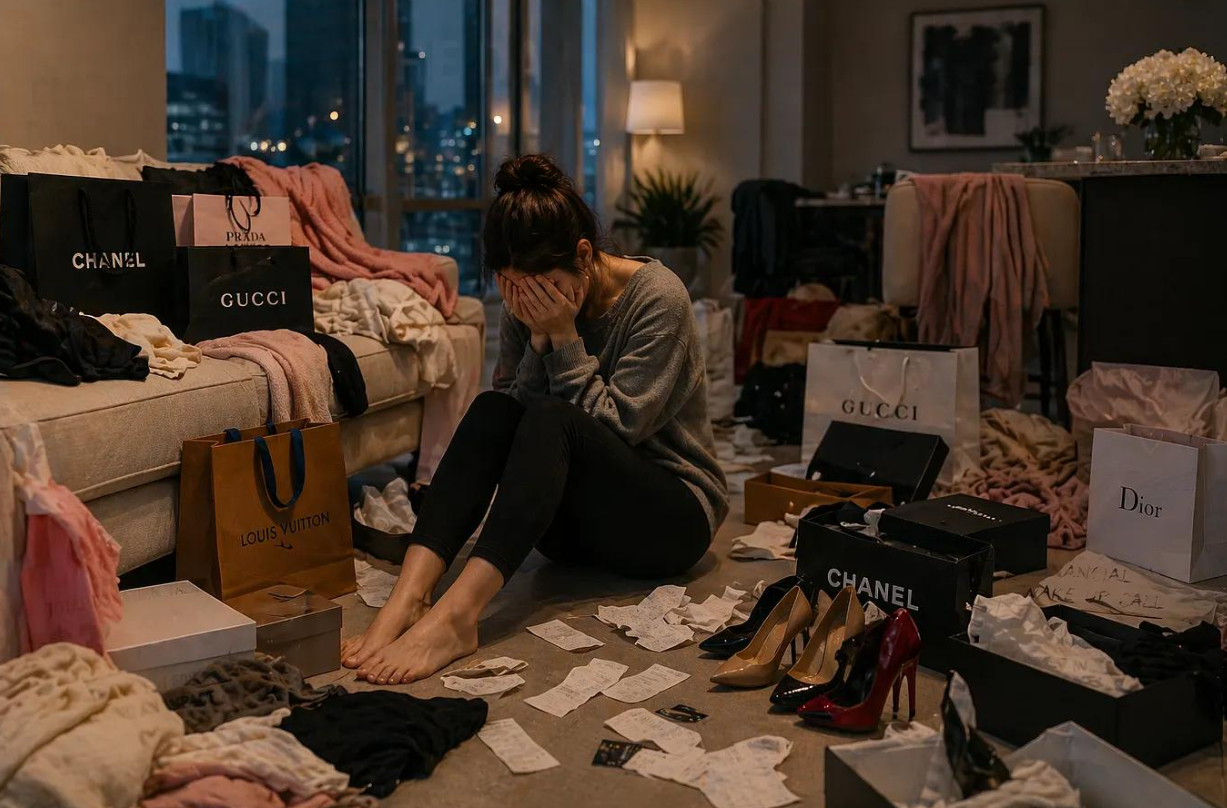
The $1,800 Regret: Why Americans Keep Buying Things They Barely Use
Introduction
Almost everyone has bought something that seemed like a brilliant idea at the time but eventually became part of the furniture. It might be a jacket still hanging in your closet with its original tag attached. Perhaps it is an expensive kitchen gadget purchased with plans to prepare healthy meals every morning. It could be a skincare product promoted across social media, a pair of uncomfortable shoes bought for a special occasion, or a camera that seemed essential when a new hobby caught your attention, these things seem worth buying every time.
At the moment of buying, the possibilities felt exciting. You imagined the outfits you would wear, the meals you would prepare, or the new skills you would develop. The price seemed reasonable because you were thinking about the benefits you expected to receive.
Then real life happened.
The jacket never matched anything you owned. The kitchen gadget was irritating to clean. The shoes hurt after twenty minutes. The camera remained in its case because taking photographs turned out to be more complicated than expected.
Eventually, you stopped thinking about the purchase altogether—until you found it again and remembered the money you had spent.
This familiar experience has a name: buyer's remorse. When it comes from purchasing items you barely use, it also reveals a broader consumer-finance problem. Money can disappear not only through expensive necessities and recurring bills, but through purchases that never deliver the value people expected.
An October 2026 analysis by packaging company Arka examined public Reddit discussions about 20 popular consumer products and identified categories frequently associated with purchase regret. Unworn clothing, slow juicers, shoes, handbags, and beauty products appeared among the leading examples. The analysis also cited an estimate that Americans spend approximately $150 monthly on unplanned purchases, equivalent to $1,800 annually. That figure should be treated as a reported estimate, not a definitive measure of what every American spends.
The larger lesson is worth considering regardless of the exact amount: buying something and benefiting from it are two very different things.
Understanding why these purchases happen can help consumers keep more of their money without eliminating the pleasure of shopping.
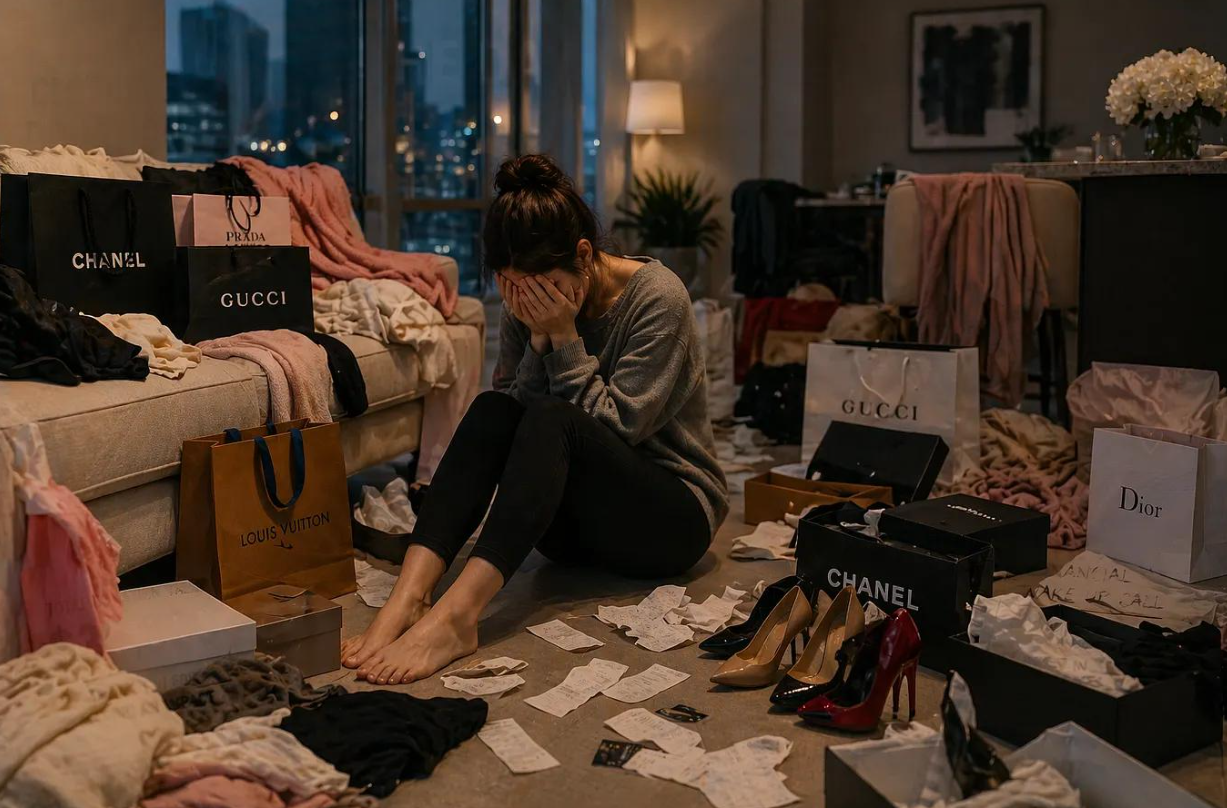
The Purchases That Look Better in the Store Than at Home
Some products are particularly vulnerable to the gap between what people imagine and what they actually use.
1. Clothes bought for an imaginary occasion
Clothing is an obvious example because shopping often involves imagining a future version of yourself.
You might purchase a formal outfit for an event that never materializes, a jacket that looks fantastic but matches nothing in your wardrobe, or clothes in a size you hope to wear someday.
Sometimes the purchase is driven by a discount. Other times, the appeal comes from imagining how confident, fashionable, or successful you will feel wearing it.
The problem is that the fantasy does not always match your everyday life.
A beautiful outfit may be uncomfortable for a full working day. A trendy item may not suit your existing wardrobe. Something bought for a particular occasion may have almost no practical use afterward.
The money is gone regardless of whether the item remains untouched.
Before purchasing clothing, consider where you will realistically wear it, whether it works with what you already own, and whether you would still want it at full price.
A discount does not make an unsuitable purchase useful.
2. Kitchen gadgets that promise a new lifestyle
Kitchen appliances are frequently purchased with ambitious intentions.
A person decides to eat healthier and buys a slow juicer. Someone wants to prepare elaborate breakfasts and purchases a specialized machine. Another shopper invests in equipment for baking, coffee making, or meal preparation.
The purchase feels like the first step toward a better routine.
Unfortunately, buying equipment is much easier than building a habit.
An appliance might require substantial cleaning, take up valuable counter space, or involve more preparation than expected. The meals it produces may not suit your tastes, or your schedule may make the routine difficult to maintain.
After a few uses, the gadget becomes an expensive reminder of a habit that never developed.
Before buying equipment for a new lifestyle, try the activity using tools you already own or borrow the item if possible. If the habit becomes consistent, you will have better evidence that an upgrade makes sense.
3. Beauty products purchased because they are trending
Social media can make a product feel essential before you have established whether you need it.
A creator recommends a particular serum. A viral video promises dramatic results. A limited-time promotion makes a collection of products look like an opportunity that cannot be missed.
You purchase the items, try them briefly, and discover that they do not fit your routine or deliver the expected results.
Beauty products are especially vulnerable to this pattern because individual items can seem affordable compared with larger purchases. Several small purchases, however, can accumulate into substantial spending.
There is also the risk of buying multiple products that serve similar purposes before using what you already own.
A more deliberate approach is to identify the specific problem you want a product to solve, research whether it suits your needs, and avoid purchasing an entire routine simply because someone online recommends it.
4. Hobby equipment bought before the hobby becomes a habit
A new hobby can be exciting. You imagine yourself taking professional-looking photographs, painting beautiful artwork, camping in spectacular locations, or learning to sew your own clothes.
Naturally, you want the equipment that seems to belong with that activity.
The problem is that enthusiasm at the beginning does not guarantee long-term interest.
Expensive cameras, craft supplies, sewing machines, camping equipment, and musical accessories can become costly decorations when the hobby loses its appeal.
You do not need to avoid investing in your interests. You simply need to distinguish between being interested in an activity and regularly doing it.
Start with basic equipment, rent or borrow specialized items, and upgrade once you understand what you genuinely enjoy.
Why We Buy Things We Don't Really Need
It is tempting to describe impulse buying as a lack of discipline. That explanation is incomplete.
Purchasing decisions are influenced by emotions, expectations, social pressure, convenience, and the way products are presented. A shopper can make a perfectly rational decision with the information available and still regret it later because the actual experience differs from the expected one.
Several psychological patterns help explain why this happens.
We buy the feeling, not just the product
A purchase often promises something beyond its practical function.
New clothes may represent confidence. A camera may represent creativity. A fitness accessory may represent a healthier lifestyle. An expensive bag may symbolize professional success.
These emotional benefits can make a product attractive even when its practical value is uncertain.
The issue is not that emotional purchases are always wrong. People reasonably spend money on enjoyment, identity, comfort, and self-expression.
Problems emerge when the excitement of imagining the benefits becomes stronger than our ability to evaluate whether we will actually receive them.
A useful question is: Do I want to use this product, or do I mostly enjoy imagining the person I might become after buying it?
The answer can reveal whether the purchase solves a real need or simply offers a temporary emotional boost.
Discounts create a false sense of urgency
Sales can make unnecessary products feel like financial opportunities.
Suppose an item normally costs $100 but is temporarily available for $60. You might feel that buying it saves you $40.
But if you never intended to purchase the item and would not use it, you have not saved $40. You have spent $60.
This is one reason discount shopping can become expensive. The shopper focuses on the difference between the original and sale prices rather than the total amount leaving their account.
Limited-time offers add another layer of pressure. Countdown clocks, low-stock warnings, and seasonal promotions encourage consumers to make decisions before fully considering them.
Some discounts are genuine bargains. The key is to decide whether the product is worth buying before the discount becomes the main reason for wanting it.
Social media makes ordinary products look indispensable
Online content often shows products in their most attractive setting.
A kitchen gadget appears in a spotless kitchen. A skincare routine is presented as the secret to a particular appearance. A travel accessory looks essential when paired with an extraordinary holiday.
The content highlights the best possible outcome rather than the everyday effort involved.
Viewers may see the result without seeing how frequently the product is used, whether it was provided for free, or whether the creator earns money from promoting it.
Repeated exposure can also make a product seem more common or necessary than it really is.
A simple defense is to separate the recommendation from the purchase decision. Save the product for later, research independent reviews, and consider whether you would want it if you had never encountered the promotional content.
Buying creates excitement before ownership creates responsibility
Shopping can provide immediate anticipation. You imagine the package arriving, the first time you use the product, and the benefits it might bring.
Once the item arrives, the excitement may fade while practical considerations become more obvious.
Now you must store it, maintain it, learn to use it, or incorporate it into your routine. The product competes with everything else demanding your time and attention.
This gap between anticipation and ownership helps explain why a purchase can feel exciting one day and pointless the next.
The answer is not to remove all spontaneity from shopping. It is to give important purchases enough time for the initial excitement to settle.
The Real Financial Cost of Unused Purchases
The price printed on a receipt is only the beginning of the story.
Consider someone who spends $50 on a pair of shoes and wears them once. Another person spends $150 on shoes and wears them 100 times.
The first pair costs $50 per wear. The second costs $1.50 per wear.
This calculation, commonly called cost per use, is not a complete measure of value. Comfort, durability, appearance, and the purpose of the purchase also matter. Nevertheless, it illustrates why the cheapest purchase is not always the most economical—and why a discounted product can still be poor value when it goes unused.
Now imagine that a shopper makes several regrettable purchases over a year:
Purchase | Illustrative cost |
|---|---|
Clothes that remain unworn | $180 |
Kitchen gadget used twice | $120 |
Beauty products abandoned early | $85 |
Shoes worn only once | $100 |
Hobby supplies never used | $115 |
Total | $600 |
These figures are hypothetical examples, not national averages. They show how ordinary purchases can add up to $600 in money spent on items that deliver little lasting value.
The problem becomes more significant when similar spending repeats year after year.
A person who repeatedly buys things they do not use may have less money available for meaningful experiences, necessary purchases, savings, or other personal goals.
There is also the physical cost of clutter. Unused products take up space, require organization, and may eventually need to be sold, donated, recycled, or discarded.
The goal is not to assign a financial penalty to every unused item. Sometimes circumstances change, interests evolve, or a product turns out to be unsuitable despite careful research.
The useful question is whether the pattern is recurring—and whether a few changes could prevent it.
The Psychology of “I Might Need It Someday”
Some purchases survive for years because their owners believe they might eventually become useful.
That expensive jacket could be perfect for a future event. The camping equipment may come in handy next summer. The notebook collection might be useful when a new project begins.
There is nothing wrong with keeping items that genuinely serve a future purpose. The problem is using an imagined future as a permanent justification for keeping products that have no realistic place in your life.
Ask yourself three questions:
- What specific situation would make me use this item?
- How likely is that situation to happen?
- If I needed the item then, would buying or borrowing it at that time be more sensible?
These questions help distinguish useful preparation from indefinite postponement.
For items you already own, establish a reasonable review date. If the product remains unused and no realistic need has emerged, consider selling it, donating it, or passing it to someone who will use it.
You cannot recover every dollar already spent, but you can recover some value from the item and prevent the same purchase pattern from continuing.
How to Stop Buying Things You Barely Use
Avoiding purchase regret does not require a complicated budgeting system. A few practical habits can improve the quality of your decisions.
1. Use a waiting period for nonessential purchases
When you find something you want, do not automatically buy it immediately.
For inexpensive items, waiting 24 hours may be enough. For larger purchases, consider waiting a week or longer.
During that time, ask whether you still want the product, whether you already own something similar, and whether it fits your current priorities.
A waiting period is especially helpful when a purchase is driven by a flash sale, an emotional moment, or repeated exposure on social media.
You can still buy the item when the waiting period ends. The purpose is to ensure that the decision survives beyond the initial excitement.
2. Check what you already own
Before shopping for clothes, inspect your wardrobe. Before buying a skincare product, review what is already on your shelf. Before purchasing a new hobby accessory, check your existing equipment.
This sounds obvious, but people often underestimate how much they own, particularly when belongings are stored in different rooms, drawers, or containers.
Keeping a simple inventory of certain categories can prevent duplicate purchases.
You do not need to catalog every possession. Focus on the categories where you repeatedly buy more than you use.
3. Calculate the cost per realistic use
Instead of asking only whether you can afford the item, estimate how frequently you will use it.
Suppose a $200 gadget seems attractive. If you realistically expect to use it 100 times, the purchase may offer reasonable value. If you expect to use it five times, the effective cost is $40 per use.
The estimate will not always be accurate, but the exercise forces you to consider practical value rather than focusing exclusively on the price or discount.
For products that are difficult to predict, consider renting, borrowing, or purchasing a less expensive version first.
4. Remove unnecessary shopping triggers
If browsing shopping apps routinely leads to purchases you regret, change the environment around the habit.
Turn off promotional notifications, unsubscribe from emails that encourage frequent purchases, and remove saved payment details from sites where you tend to buy impulsively.
You can also unfollow accounts that consistently make you feel that your wardrobe, home, or personal routine is inadequate.
These steps are not about avoiding advertising forever. They simply create a little distance between seeing a product and spending money on it.
5. Make a list before shopping
A shopping list establishes what you intend to purchase before you encounter promotions and attractive displays.
For larger purchases, write down the features you actually need. That makes it easier to compare alternatives and avoid paying for functions you are unlikely to use.
You can still make an unplanned purchase when something genuinely worthwhile appears. A list is a guide, not a contract.
However, if most of your shopping happens spontaneously, planning ahead can make a meaningful difference.
6. Give yourself a realistic discretionary budget
Completely banning fun purchases can make financial plans feel restrictive and difficult to maintain.
Instead, set aside an amount you can comfortably spend on clothing, hobbies, entertainment, beauty products, or other nonessential purchases after accounting for important obligations and goals.
This creates room for enjoyment without requiring every purchase to compete with money needed elsewhere.
The appropriate amount depends on your circumstances. Someone with limited disposable income will need a different approach from someone with substantial financial flexibility.
What matters is that discretionary spending is intentional rather than unlimited by default.
7. Use a simple purchase checklist
Before buying a nonessential item, run through five questions:
- Would I still want this if it were not discounted?
- Do I already own something that performs the same function?
- When will I realistically use it?
- Does the total cost fit my spending plan?
- Would I rather have the money available for another priority?
If the answers reveal that the purchase is unlikely to be useful, pause.
You do not need to reject every item that fails one question. The checklist is designed to make the decision clearer, not to eliminate spontaneity from your life.
What to Do With Things You Have Already Bought
If your home is full of unused purchases, there is no benefit in dwelling on every mistake indefinitely.
Start by grouping your belongings into three categories.
Keep and use: Items that genuinely serve a purpose or bring you enjoyment. Put them somewhere accessible and incorporate them into your routine.
Sell or pass along: Products in good condition that you no longer need. Selling them may recover part of the original cost, while donating them or giving them to someone who needs them may create value for someone else.
Recycle or dispose responsibly: Items that are damaged, unsafe, expired, or unsuitable for reuse. Follow relevant disposal instructions, especially for electronics, batteries, cosmetics, and other products requiring special handling.
Avoid treating the money already spent as a reason to keep an item you will never use. That money cannot be recovered simply by leaving the product in a cupboard.
At the same time, do not rush to discard something useful merely to create a minimalist space. The objective is to get value from your possessions, not to replace unnecessary shopping with unnecessary decluttering.
Once you have reviewed your belongings, pay attention to the purchases you regret most. If you repeatedly abandon similar products, use that pattern to guide future decisions.
Perhaps you dislike cleaning complex appliances. Maybe you rarely attend formal events. You may discover that you enjoy researching hobbies more than actually practicing them.
These are useful insights. They help you spend more accurately according to your real habits rather than your imagined ones.
Does Every Unused Purchase Mean You Made a Bad Decision?
Not necessarily.
People change their interests, schedules, needs, and circumstances. An item that was useful when purchased may become unnecessary later. A product can also disappoint despite careful research.
The aim is not to judge every purchase using information that became available only afterward.
Instead, distinguish between an honest mistake and a recurring pattern.
If you bought a camera after researching it and later discovered that photography was not for you, the purchase may have been a reasonable experiment. If you repeatedly buy expensive equipment for hobbies you never begin, that pattern deserves attention.
Research also suggests that unused purchases can influence future spending. A 2023 study published in Psychology & Marketing reported findings from six experiments indicating that reminders of unused products could reduce subsequent discretionary spending, largely because participants perceived their previous spending as wasted. The researchers also found that how people framed their efforts to avoid waste mattered.
That finding offers a constructive perspective: regret can provide useful information when it encourages better decisions rather than making you feel incapable of managing money.
You do not need to punish yourself for past mistakes. Learn from them, adjust your habits, and make your next purchase more deliberately.
Why Buying Less Can Make Shopping More Enjoyable
Shopping is not inherently bad. Finding something useful, discovering a product you love, or treating yourself after working hard can be enjoyable.
But when shopping becomes a routine response to boredom, stress, social pressure, or the excitement of a sale, the experience can lose some of its value.
You may end up with more possessions but less satisfaction from each one.
Buying more selectively can change that relationship. Instead of constantly looking for another product, you can spend more time enjoying what you already own.
You may also find it easier to afford higher-quality items when you stop spending money on numerous purchases that deliver little value.
For example, someone who buys several inexpensive jackets each year might get more satisfaction from choosing one comfortable, versatile jacket that suits their wardrobe. Someone who repeatedly purchases kitchen gadgets may benefit more from mastering a few recipes with existing equipment.
The goal is not to minimize the number of possessions you own. It is to increase the value you receive from the money you spend.
For more consumer-finance insights and practical money-management guidance, visit Finiuo. Readers interested in legal and consumer-rights topics can explore Jurnza, while Dryzen Royal covers dry fruits, nuts, and nutrition-related content.
Conclusions
The money you spend on unused products can be easy to overlook because each purchase often seems small, reasonable, or exciting at the time. Yet unworn clothes, abandoned appliances, unused beauty products, and forgotten hobby equipment can add up to a meaningful amount of wasted spending.
The solution is not to stop shopping or assume that every spontaneous purchase is irresponsible. It is to become more aware of the difference between wanting a product and having a realistic use for it.
Pause before nonessential purchases, examine what you already own, look beyond discounts, and consider how frequently you will use an item. Give yourself a reasonable budget for enjoyment while protecting the money you need for other priorities.
If you already own things you rarely use, treat them as information rather than evidence of personal failure. Identify which purchases disappointed you and use those lessons to improve future decisions.
Ultimately, the best purchase is not necessarily the cheapest item, the most popular product, or the one with the biggest discount. It is the purchase that provides genuine value in your actual life.
Before spending your next dollar, ask yourself one simple question: Will I still be glad I bought this six months from now?