

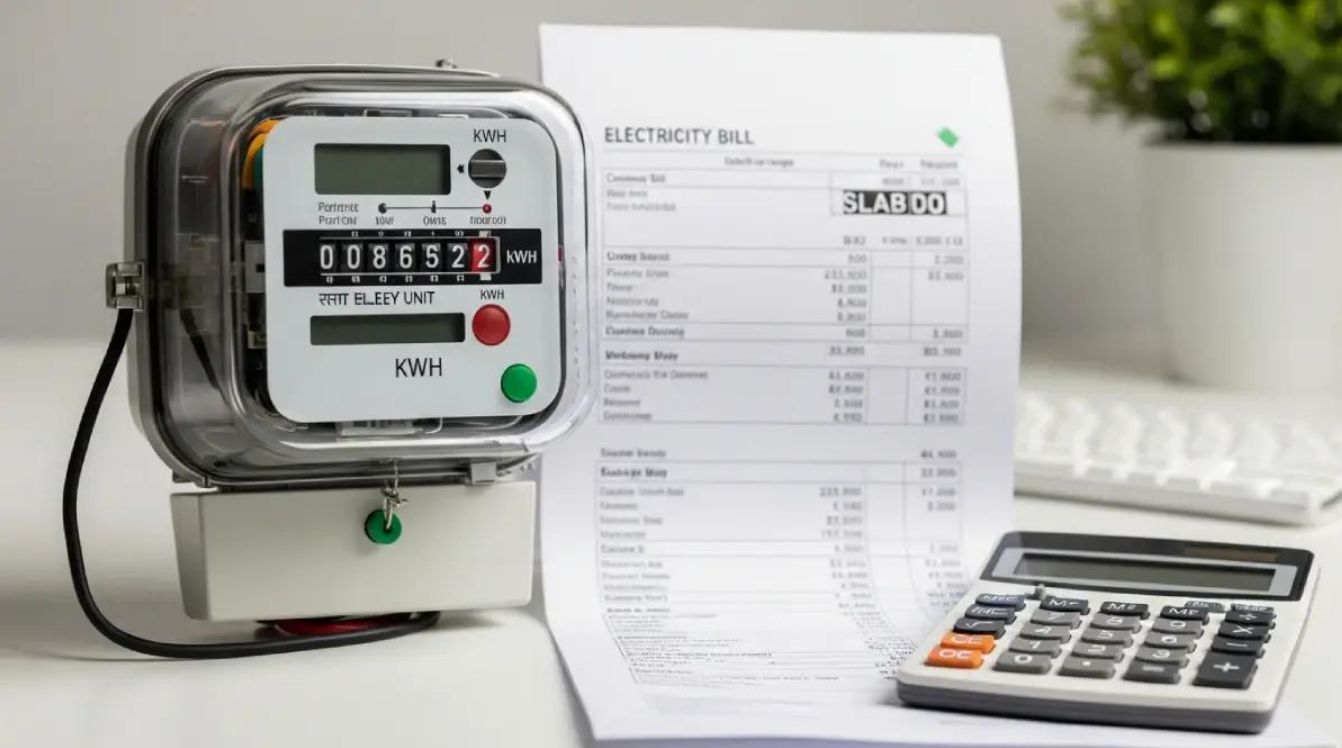
The Hidden Cost of Keeping Your Household Comfortable: Why Energy Bills Can Surprise You
Keeping a household comfortable should not feel like a luxury. Yet for many American households, heating, air conditioning, hot water, laundry, lighting, and everyday appliances can turn an ordinary utility bill into an unwelcome financial surprise.
The problem is that household energy expenses rarely come from one obvious source. An air conditioner running through a hot afternoon, an older refrigerator cycling constantly, a water heater maintaining its temperature, and a clothes dryer running several times a week may each seem harmless. Together, however, they can create a substantial monthly expense.
Weather adds another layer of uncertainty. A particularly hot summer or unusually cold winter can increase energy consumption even when a household has not changed its daily routine. Utility rates, billing structures, home insulation, appliance efficiency, and the number of people living in a home also influence the final amount.
For consumers trying to manage everyday expenses, understanding these factors is more useful than simply being told to turn off the lights. Some of the biggest savings opportunities involve the equipment that heats and cools a home, while others come from small adjustments that reduce waste without making daily life uncomfortable.
The good news is that lowering household energy costs does not always require expensive renovations or replacing every appliance. Many households can begin by understanding their bills, identifying the biggest energy users, and making targeted changes.
This guide explains why home energy bills can rise unexpectedly, which hidden expenses deserve attention, and how American households can reduce energy consumption while maintaining a comfortable living environment.
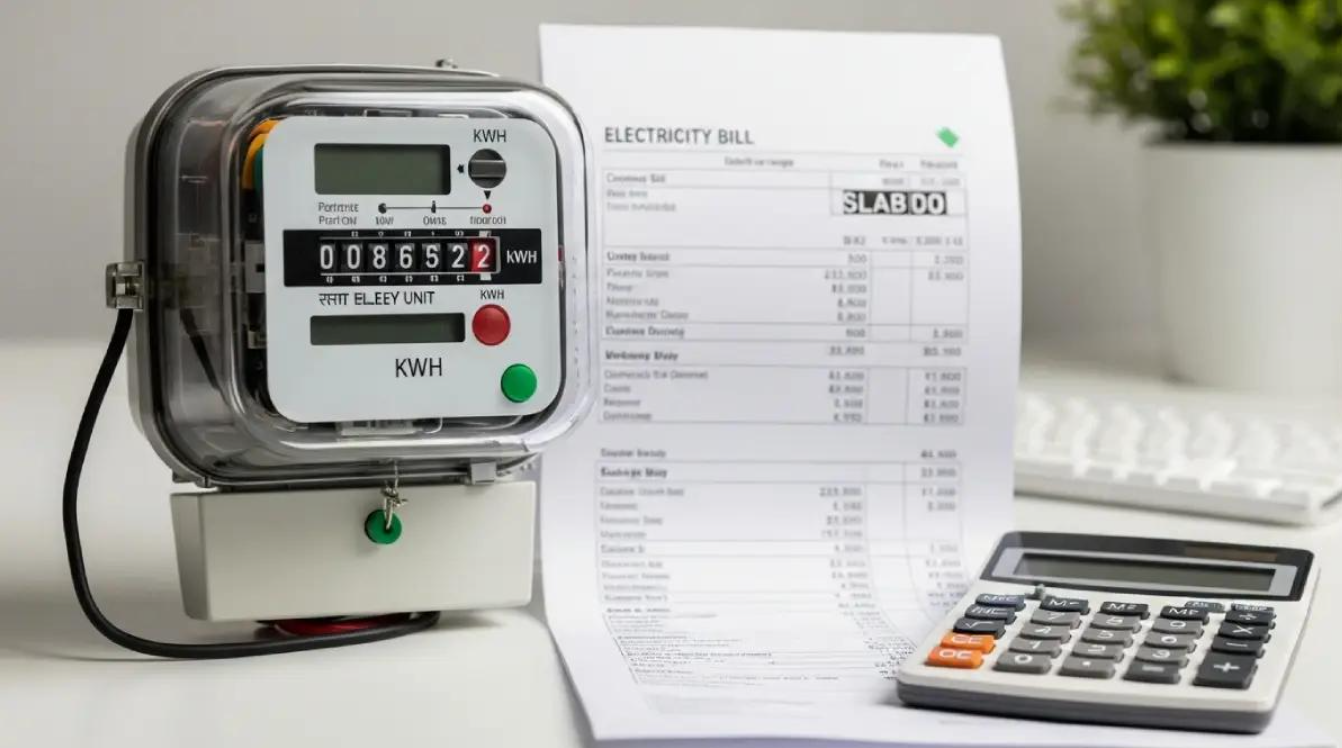
Why Household Energy Bills Can Rise Without Warning
An unexpectedly high utility bill does not automatically mean that a household has become careless about electricity use. Several factors can increase costs, and understanding the difference between them is the first step toward finding a solution.
Weather Can Change Energy Consumption Dramatically
Heating and cooling are among the most important factors affecting household energy consumption. When outdoor temperatures become extreme, heating and cooling equipment may operate for longer periods to maintain the temperature inside the home.
During a heat wave, an air conditioner may run more frequently because it must remove heat entering through windows, walls, roofs, and doors. In winter, a heating system may consume more energy as it works to maintain indoor warmth against cold outdoor conditions.
Households may also use fans, portable heaters, dehumidifiers, or additional cooling equipment during unusual weather. These devices can increase consumption even if the main heating or cooling system remains unchanged.
The U.S. Energy Information Administration identifies air conditioning, space heating, and water heating among the major uses of residential electricity. Its published breakdown, based on 2020 residential energy data, attributed approximately 19% of residential electricity consumption to air conditioning, 12% to space heating, and 12% to water heating.
These figures are historical national estimates, not a prediction for every household. Homes in hotter regions may use more air conditioning, while households in colder climates may spend more energy on heating.
The practical lesson is simple: compare your latest bill with the same season in a previous year whenever possible. Comparing a summer bill with a mild spring month may exaggerate the apparent increase because the household's cooling needs have changed.
Electricity Prices and Usage Are Two Different Problems
When an energy bill rises, consumers often assume they must have used more electricity. That is only one possibility.
A utility bill can increase because a household consumed more energy, because the price per unit increased, or because several charges changed at the same time.
For example, a home may use roughly the same number of kilowatt-hours as the previous month but pay more because its electricity rate changed. Conversely, a household may experience a higher bill because it used significantly more electricity even though the rate remained stable.
Other factors can include fixed service charges, fuel-cost adjustments, taxes, seasonal rates, and time-of-use pricing where applicable.
This distinction matters because different problems require different solutions. Reducing consumption may help with a usage-driven increase, but it will not necessarily eliminate a fixed monthly charge. If a rate change is responsible, reviewing the utility's pricing information may be more useful than focusing exclusively on appliance habits.
Consumers should therefore examine both the total amount owed and the detailed billing information.
Homes Can Waste Energy Without Looking Inefficient
A house does not need to have obvious structural problems to waste energy.
Small gaps around doors and windows can allow conditioned air to escape. Poor attic insulation can make it harder to maintain indoor temperatures. Leaky ductwork can reduce the amount of heated or cooled air reaching living spaces.
The effect may be especially noticeable in older homes, properties with additions, or buildings where insulation and air sealing have not been maintained.
The U.S. Department of Energy recommends addressing air leaks, checking insulation, maintaining heating and cooling systems, and reviewing the home's overall energy performance.
These improvements can help a home stay comfortable with less energy, although the potential savings depend on its existing condition, climate, and the cost of the work.
The Biggest Hidden Expense: Heating and Cooling
For many households, temperature control deserves attention before smaller electrical loads.
Heating and cooling equipment can consume substantial energy because it operates for extended periods and must respond to outdoor conditions. Even a relatively efficient system may become expensive to operate if the home loses conditioned air quickly or the thermostat is set more aggressively than necessary.
Air Conditioning Can Run Longer Than You Realize
Air conditioning is particularly important in hot regions of the United States. Long periods of high temperatures can increase the number of hours a system operates, especially in homes that receive direct sunlight or have limited insulation.
Several factors can make cooling more expensive:
- Dirty air filters that restrict airflow.
- Outdoor condenser units with obstructed airflow.
- Gaps around windows and doors.
- Direct sunlight entering through uncovered windows.
- Thermostat settings that demand unusually low temperatures.
- Cooling unused rooms when the system allows more targeted control.
Start with simple maintenance. Check the air conditioner's filter and follow the manufacturer's guidance for cleaning or replacement. Keep the outdoor unit clear of obstructions and arrange professional service when performance problems appear.
Window coverings can also help. Closing blinds or curtains during the hottest part of the day may reduce the amount of solar heat entering a room. Where practical, shading exposed windows can reduce the cooling load.
These changes will not eliminate the need for air conditioning during extreme weather, but they may help the system maintain a comfortable temperature without working as hard.
Heating Costs Can Be Just as Significant
In colder climates, heating can become one of the largest seasonal expenses.
A poorly insulated attic, drafty windows, gaps around exterior doors, or uninsulated areas can allow warmth to escape. The heating system must then replace that lost heat, potentially increasing the amount of energy consumed.
Before investing in major improvements, inspect the home for obvious drafts and identify areas that remain uncomfortable even when the heating system is running.
Weatherstripping and suitable caulking can help seal certain gaps. Additional insulation may be worthwhile when a professional assessment identifies substantial heat loss.
Thermostat settings also matter. Lowering the temperature modestly while sleeping or away from home may reduce energy use, depending on the heating system and local conditions. Programmable thermostats can make those adjustments automatic.
However, the best settings depend on the household's needs, climate, equipment, and health considerations. Saving money should not mean allowing indoor temperatures to become unsafe or uncomfortable.
A Smart Thermostat Is Not an Automatic Guarantee of Savings
Smart and programmable thermostats can make temperature management easier. They can adjust settings according to a household's schedule, reduce unnecessary heating or cooling while everyone is away, and provide information about temperature patterns.
ENERGY STAR reports that certified smart thermostats can reduce heating and cooling bills for some households, but the actual benefit depends on the home, existing thermostat settings, equipment, and how the device is used.
A household that already manages temperatures efficiently may see a smaller benefit than one that regularly heats or cools an empty home.
Before buying a smart thermostat, check whether it is compatible with the heating and cooling system. Compare its purchase and installation costs with the likely savings rather than assuming that a more expensive device will automatically pay for itself.
Appliances That Quietly Add to the Bill
Heating and cooling may deserve the largest share of attention, but other household equipment contributes to energy consumption as well.
The key is to identify appliances that operate frequently, consume substantial power, or are inefficient for their age and condition.
Refrigerators and Freezers
Refrigerators run throughout the day because they must maintain safe temperatures continuously. Their energy use can be influenced by age, condition, location, temperature settings, and how often their doors are opened.
A refrigerator placed beside an oven or in direct sunlight may face additional heat. Poor door seals can also allow cold air to escape, forcing the appliance to work harder.
Check that the refrigerator has adequate ventilation around the areas specified by its manufacturer. Inspect door seals for damage and make sure the doors close properly.
If the household operates a second refrigerator or an extra freezer that is rarely needed, consider whether keeping it running is worthwhile. Unused backup appliances can create an ongoing cost even when their contents are minimal.
Replacing an old refrigerator may eventually make financial sense, but the decision should consider purchase price, expected energy savings, repair costs, and how long the existing appliance is likely to remain usable.
Clothes Dryers and Washing Machines
Laundry habits can influence both electricity consumption and, where applicable, water-heating expenses.
Clothes dryers use energy to remove moisture from fabric. Running multiple small loads, over-drying clothes, or using a dryer when outdoor or indoor air-drying is practical can increase consumption.
Clean the lint filter according to the manufacturer's instructions, avoid overloading the machine, and use appropriate settings for the fabric and load size.
Washing clothes in cold water can reduce the energy needed to heat water, although some loads may require warmer settings for cleaning or hygiene. Run full loads when practical, rather than using the washing machine repeatedly for only a few items.
Air-drying clothes on a suitable rack or clothesline can reduce dryer use. In humid environments, make sure indoor drying does not create moisture problems.
Water Heaters
Hot water is another expense that can be easy to overlook because the equipment often operates out of sight.
Electric water heaters use energy to heat water, while other systems may rely on natural gas or different fuel sources. Long showers, frequent hot-water use, leaking hot-water pipes, and excessive temperature settings can increase costs.
The Department of Energy recommends setting many conventional water heaters to 120°F, or approximately 49°C, as a general energy-saving measure. Households should follow the equipment manufacturer's instructions and consider any health, safety, or plumbing requirements that affect the appropriate setting.
Insulating accessible hot-water pipes may help reduce heat loss. Fixing leaks and using water-efficient showerheads can also reduce the amount of hot water a household needs.
These changes can deliver benefits beyond the utility bill because less hot water use also reduces water consumption.
Televisions, Computers, Consoles, and Chargers
Some electronics continue using electricity when they are not actively performing their main function. This is commonly called standby power.
Examples include televisions waiting for remote-control signals, game consoles in standby mode, computers, printers, and other connected equipment.
The energy use of an individual device may be small, and not every plugged-in appliance wastes a meaningful amount. However, households with many devices can benefit from identifying equipment that stays powered unnecessarily.
A switched power strip can make it easier to disconnect several devices together. Smart plugs may also help schedule certain devices, provided they are compatible with the equipment.
Do not unplug devices that must remain powered for safety, security, medical, refrigeration, or other essential functions.
Rather than assuming every charger is a major expense, prioritize devices that consume measurable power or remain active for long periods. A plug-in electricity meter can help some households determine which appliances are worth targeting.
How to Find Out Where Your Money Is Going
One of the most effective ways to lower energy costs is to stop guessing which appliance or habit is responsible for a high bill.
A systematic review can reveal whether the problem is seasonal demand, an inefficient appliance, a change in electricity rates, or energy waste that has gone unnoticed.
Compare Your Utility Bills Over Time
Collect several recent utility bills and compare them with bills from the same months in previous years, if available.
Look for three important details:
- Energy consumption: How many kilowatt-hours did the household use?
- Price per unit: What rate did the utility charge, and did it change?
- Other charges: Did fixed fees, taxes, adjustments, or other line items increase?
For example, imagine that a household's bill increases from $140 to $190. If electricity consumption rises substantially, the household may need to investigate heating, cooling, or appliance use. If consumption stays nearly the same, the cause may be a rate increase or another billing adjustment.
This is only an illustration; actual utility bills differ by location and provider.
Where the utility offers an online account or detailed usage reports, review the available information. Some providers show daily or hourly consumption, which can help households identify periods of unusually high usage.
Check Whether Your Utility Offers an Energy Audit
A home energy audit evaluates how a property uses energy and identifies opportunities to improve efficiency.
Depending on the provider and location, an audit may include an assessment of insulation, air leaks, heating and cooling equipment, lighting, and appliance performance.
Some utilities and state energy offices provide access to assessments, incentives, or referrals to qualified professionals. Availability and costs vary.
An audit can be especially useful when a home has persistent comfort problems, unusually high energy consumption, or an older heating and cooling system.
For households considering insulation, window improvements, or major equipment replacement, an assessment can help prioritize projects instead of spending money on upgrades that deliver little benefit.
Understand the Difference Between Efficiency and Conservation
Energy efficiency means using less energy to perform the same task. Energy conservation means reducing energy use through behavior or operating choices.
For example, replacing an older incandescent bulb with an efficient LED is an efficiency improvement. Turning off unnecessary lighting is conservation.
Both approaches can reduce costs, but they work differently. Efficiency improvements may continue delivering benefits whenever the equipment is used, while conservation depends on maintaining the relevant habits.
The strongest strategy often combines both: improve the performance of equipment where it makes financial sense, then use that equipment thoughtfully.
Practical Ways to Lower Household Energy Costs
Not every household can afford new windows, additional insulation, or a high-efficiency heating system. Fortunately, several changes cost little or nothing to implement.
Start With Low-Cost Changes
Begin with actions that require little financial investment:
- Replace frequently used inefficient bulbs with LED alternatives when replacement is appropriate.
- Close curtains or blinds when direct sunlight increases indoor heat.
- Clean or replace heating and cooling filters according to manufacturer guidance.
- Seal suitable gaps around doors and windows.
- Wash clothes in cold water when appropriate for the load.
- Run dishwashers and washing machines with reasonably full loads.
- Reduce unnecessary dryer use.
- Adjust heating and cooling schedules to match household routines.
- Turn off electronics that do not need to remain powered.
- Check whether an extra refrigerator or freezer is genuinely necessary.
These steps will not produce identical savings in every home. Their effectiveness depends on the equipment, local climate, existing habits, and electricity prices.
Be Selective About Major Upgrades
Energy-efficient appliances, improved insulation, and upgraded heating or cooling equipment can reduce long-term operating costs. However, the initial purchase price matters.
Before replacing an appliance, compare its estimated annual energy use with that of the existing model. Consider installation expenses, maintenance, expected lifespan, and any available rebates.
A useful comparison is the total cost of ownership rather than the purchase price alone. An inexpensive appliance may cost more to operate over several years, while a premium model may never recover its additional cost if the expected savings are small.
The U.S. Department of Energy's Energy Savings Hub provides information about home improvements and available energy-efficiency rebate programs. Eligibility depends on the relevant state, territory, Tribal program, and project requirements.
Do not assume that a rebate is available simply because a product is efficient. Check the official program details before committing to a purchase.
Make Sure Savings Do Not Come at the Expense of Safety
Energy conservation should never create avoidable safety risks.
Do not switch off essential medical equipment, disable safety systems, or turn off refrigeration needed to preserve food or medication merely to save electricity.
Avoid using ovens or outdoor combustion equipment as substitutes for proper indoor heating. Keep vents and equipment clear, and have suspected electrical faults or heating-system problems inspected by qualified professionals.
If a home becomes dangerously hot or cold, maintaining a safe indoor environment takes priority over achieving a lower bill.
Common Energy-Saving Mistakes That Can Waste Money
Some popular energy-saving ideas are less useful than they sound. Others can create costs that outweigh their benefits.
Replacing Appliances Before Calculating the Savings
A newer appliance may be more efficient, but replacing a functioning product solely to reduce energy consumption is not always the best financial decision.
The amount saved depends on how much energy the existing appliance uses, how often it operates, local energy rates, and the efficiency of the replacement.
Estimate the potential annual savings and compare them with the total cost of purchasing and installing the new equipment. If the payback period is longer than the time you expect to keep the appliance, a replacement may not make financial sense.
Assuming Small Plugged-In Devices Explain the Entire Bill
Standby power is real, but its contribution varies significantly by device.
Unplugging a low-power charger may save very little compared with improving an inefficient cooling system or reducing unnecessary electric heating.
Households should prioritize larger and more frequent energy uses instead of spending hours disconnecting devices without measuring their impact.
Buying Gadgets That Promise Guaranteed Savings
Products advertised as electricity-saving devices do not automatically deliver meaningful reductions. Be cautious of claims promising dramatic bill reductions without explaining how the product works or providing credible evidence.
Before purchasing a device, look for independent testing, compatibility information, safety certifications where applicable, and a realistic explanation of its expected effect on energy consumption.
In many cases, maintaining existing equipment and correcting obvious energy waste is a more sensible first step than buying another gadget.
Making Expensive Renovations Without Identifying the Problem
New windows, insulation, and upgraded heating or cooling systems can improve comfort and efficiency. But not every home needs every upgrade.
A household experiencing high cooling costs may benefit more from addressing direct sunlight and air leaks than from replacing all its windows. Another home may have substantial attic heat loss that makes insulation a higher priority.
The right improvement depends on the building. Identify the largest source of waste before committing to major work.
Conclusions
Household energy bills can rise because of extreme weather, changing electricity rates, inefficient appliances, poor insulation, and everyday habits that increase consumption. Since these factors often overlap, there is no single solution that works for every home.
The most effective approach is to understand the bill first. Compare energy consumption with previous periods, review the rate and additional charges, and identify the equipment responsible for the largest share of usage.
From there, start with practical changes such as maintaining heating and cooling systems, managing sunlight, sealing appropriate air leaks, improving laundry habits, and reducing unnecessary appliance use. Consider larger upgrades only after comparing their cost with their expected long-term benefits.
Consumers can explore additional personal-finance guidance at Finiuo, legal information at Jurnza, and food and nutrition topics at Dryzen Royal.
Ultimately, lowering energy costs is not about making a home uncomfortable. It is about getting more value from the energy a household already pays for. With a little investigation and a few targeted improvements, families can make informed decisions, reduce avoidable waste, and keep their homes comfortable without allowing utility expenses to become an unnecessary financial burden.