

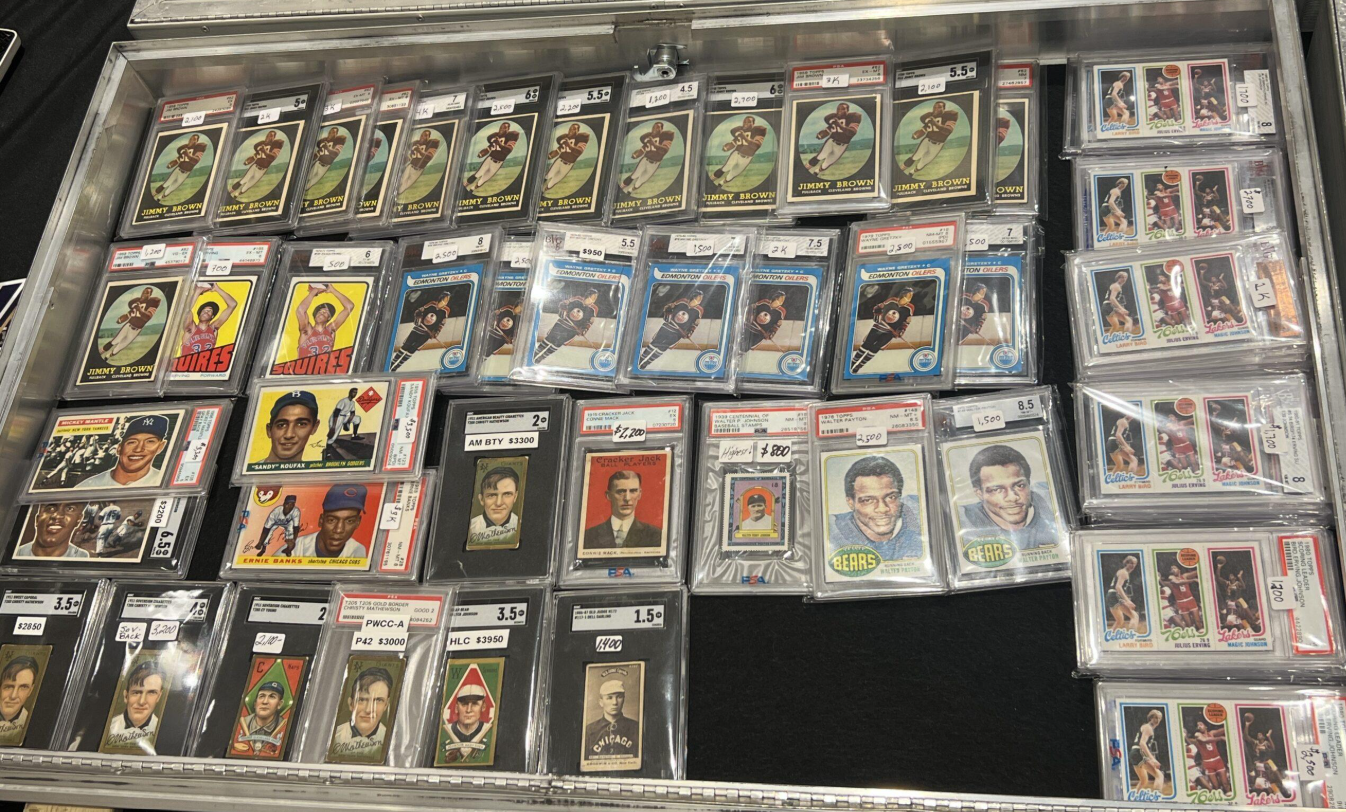
The Collectibles Bubble: When Pokémon Cards, LEGO Sets, and Sneakers Become Financial Gambling
Imagine buying a box of LEGO collectibles for $200 because you believe they will become valuable after they disappear from stores. A few years later, you see similar sets listed online for $500. Suddenly, your childhood hobby looks like a serious investment opportunity.
Then you discover that the listings are asking prices, not necessarily completed sales. Shipping, marketplace fees, damaged packaging, and the time needed to find a buyer could reduce your profit. And if demand changes, you may have to sell for much less than you expected.
Welcome to the strange world of collectible investing, where trading cards, toys, sneakers, and nostalgic merchandise can transform from ordinary consumer products into speculative assets.
Some collectibles really do become extraordinarily valuable. Rare Pokémon cards have attracted high-profile auction prices. Certain retired LEGO sets command substantial premiums. Limited-edition sneakers have developed resale markets of their own. These markets can create opportunities for knowledgeable buyers and sellers.
But they also create a tempting illusion: if something is rare today, surely it will be worth more tomorrow.
That assumption is where things get dangerous.
Collectibles can increase in value, but scarcity alone does not guarantee demand, liquidity, or profit. An item can be rare and still be difficult to sell. A product can attract enormous attention online without maintaining its price. And an impressive resale listing does not prove that buyers are actually paying that amount.
For anyone considering collectibles as investments, understanding the difference between owning something desirable and owning something profitable is essential.
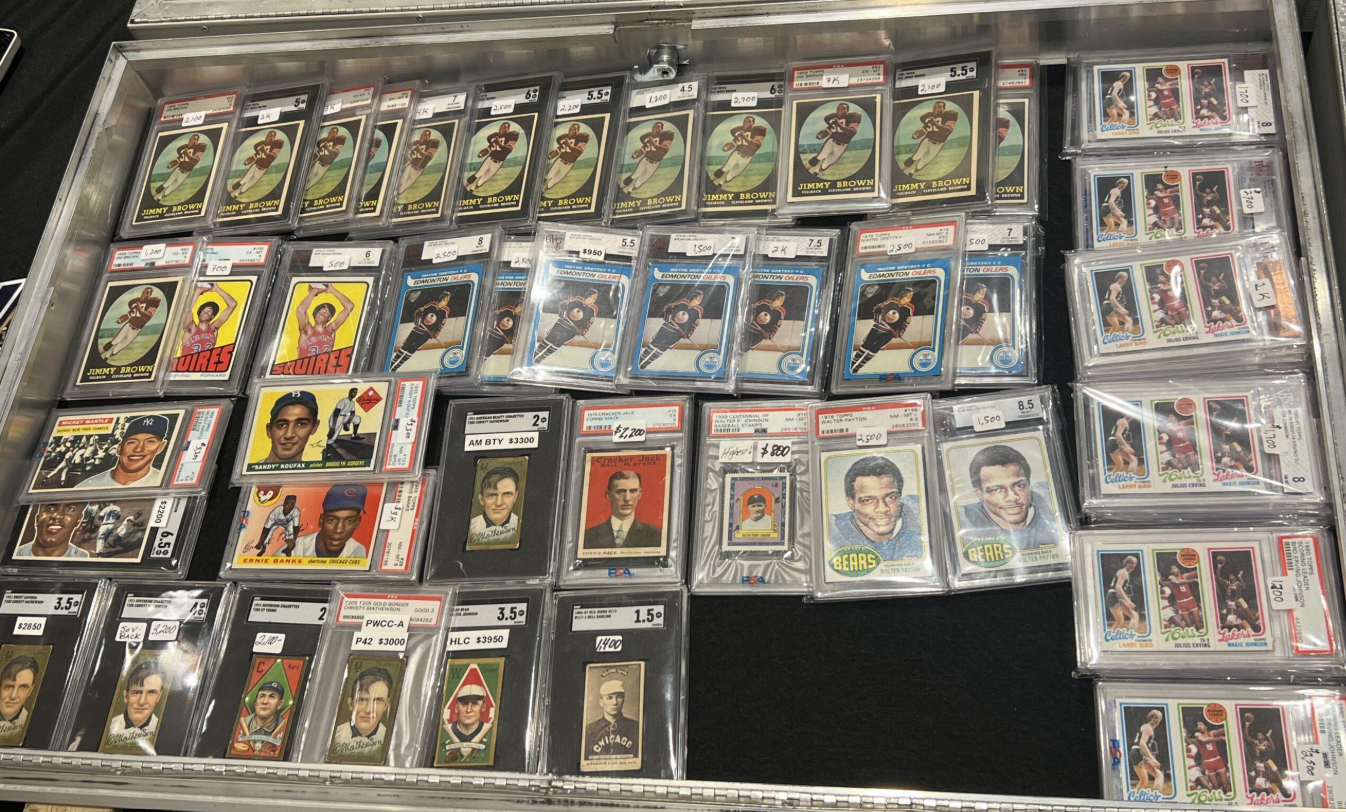
1. How Ordinary Products Become Expensive Collectibles
Most collectibles do not begin life as investments.
A Pokémon card is originally a playing card. A LEGO set is a construction toy. A pair of sneakers is designed to be worn. These products acquire collectible value when buyers begin placing additional importance on rarity, condition, cultural significance, nostalgia, or ownership.
Consider a trading card featuring a popular character. When the card is first released, many people may buy it simply because they enjoy collecting or playing the game. Over time, some copies get damaged, others disappear into private collections, and particular versions become harder to find.
If enough buyers continue wanting those cards, prices may rise.
The same principle applies to retired toys, limited-run sneakers, vintage video games, comic books, and other collectible categories.
However, the process requires more than scarcity.
An object can be rare because hardly anyone wants it. Another object can be relatively common but valuable because a large group of enthusiastic buyers wants it.
The difference is demand.
Rarity versus desirability
Imagine two discontinued toys.
The first was produced in relatively small quantities, but it attracted little attention and has few dedicated collectors. The second was widely distributed but became associated with a beloved franchise, a memorable generation, or a particularly desirable design.
The second toy could be more valuable despite being easier to find.
This is why limited production runs and discontinued products should not automatically be treated as future profits. They can support collectible value, but only when buyers care about the item enough to pay for it.
The most useful question is not simply, "How many of these exist?"
It is, "How many people want one, how much are they willing to pay, and how reliably can I find a buyer?"
2. Pokémon Cards: When Nostalgia Becomes an Asset
<AsyncImage query="Pokémon trading cards rare holographic collectible cards protective graded slabs display" aspectRatio="16:9" width="100%" radius="lg" />
Few modern collectibles illustrate the combination of nostalgia, rarity, and speculation as clearly as Pokémon cards.
For some people, collecting cards is a hobby that began during childhood. For others, the appeal comes from artwork, competitive play, completing sets, or owning particular characters. There is also a market of buyers who purchase cards because they believe their value will rise.
That combination creates a market with different motivations.
A collector may happily pay for a card because it completes a personal collection. A reseller may purchase the same card only if the expected selling price exceeds the total cost of acquiring it.
Those buyers are not necessarily valuing the card in the same way.
Why certain cards become valuable
Several factors can contribute to a card's value:
- Rarity: Some cards have limited distribution or are difficult to obtain.
- Condition: Scratches, bends, whitening, and other damage can affect desirability.
- Character popularity: Certain Pokémon attract stronger interest among collectors.
- Edition and printing: Specific releases or variants may be more desirable than others.
- Provenance and authenticity: Buyers need confidence that the card is genuine and accurately represented.
- Collector demand: Prices depend on the number of interested buyers and their willingness to pay.
Professional grading can also influence marketability. A grading service evaluates a card according to its own standards and assigns a grade. Certain cards in particularly desirable grades can command substantial premiums over similar ungraded copies.
But grading is not a guarantee of profit. Fees, shipping, insurance, turnaround times, and the possibility of receiving a lower-than-expected grade can all affect the economics of a purchase.
The problem with chasing the next rare card
Once collectors see stories of valuable cards selling for enormous amounts, it becomes tempting to buy packs, chase rare pulls, or purchase individual cards in anticipation of future appreciation.
The difficulty is that the most dramatic sales are not representative of every card in a set.
A highly valuable card can receive widespread attention while thousands of other cards remain inexpensive. Opening packs does not guarantee that the value of the cards inside will exceed the purchase price.
Buying sealed products can carry its own risks. The buyer must consider how much supply remains available, whether future demand will persist, and whether the sealed packaging adds enough value to justify the cost.
If you purchase cards because you enjoy collecting them, the experience may be rewarding even if their prices remain unchanged. If you purchase them mainly to make money, you need a much more disciplined approach.
3. LEGO Sets: Can Plastic Bricks Really Be Investments?
<AsyncImage query="retired LEGO collector sets sealed boxes display shelves collectible building sets" aspectRatio="16:9" width="100%" radius="lg" />
LEGO sets offer another fascinating example of how consumer products can acquire a second life in the resale market.
A set may be available in stores for a limited period. Once production ends, buyers who missed it may search for sealed copies through resellers. If demand remains strong and the available supply becomes harder to find, secondary-market prices may rise.
Certain retired sets have developed strong collector followings, particularly those associated with popular entertainment franchises, recognizable designs, or desirable display models.
That does not mean every discontinued set will become valuable.
Why retired sets sometimes appreciate
The appeal often comes from a combination of factors:
- A set is no longer widely available through regular retail channels.
- Fans want a model they missed when it was originally sold.
- Collectors prefer sealed boxes or complete sets.
- A franchise maintains a loyal audience.
- The design has distinctive display or nostalgic value.
These factors can create demand long after the original product leaves stores.
However, retirement is not the same as guaranteed appreciation. Some sets attract little secondary-market interest. Others may face competition from similar releases, alternative products, or changing collector preferences.
A new version of a popular model can also influence demand for an older one. Depending on the differences between them, a newer release might increase interest in the original—or reduce the urgency to purchase it.
The hidden costs of storing LEGO
Suppose you buy several sets with the intention of keeping them sealed until their resale prices increase.
You have paid for the products, but you also need somewhere to store them. Large boxes can occupy valuable space, and their condition matters to many collectors.
If the boxes become crushed, damp, or damaged, potential buyers may offer less than they would for pristine examples.
Storage may seem inexpensive when you own one set. It becomes more significant when you hold many bulky products for years.
You also need to consider selling fees, packaging, shipping, and the time required to list and fulfill orders. These expenses can reduce the difference between the original retail price and the eventual sale price.
The investment question is therefore not simply whether a set's resale price might rise. It is whether the likely return justifies the money, storage space, and effort involved.
4. Sneakers: Fashion, Scarcity, and the Resale Game
Limited-edition sneakers sit at the intersection of fashion, brand identity, sports culture, and collectibles.
Certain releases generate intense demand because of a collaboration, a particular colorway, a famous athlete, or a restricted production run. When retail supply is lower than demand, some buyers turn to resellers.
This creates opportunities for people who can identify desirable releases and acquire authentic products at favorable prices.
It also creates risks.
A sneaker that sells out quickly is not automatically profitable on the secondary market. Buyers may lose interest, additional stock may appear, or the resale price may fall once the initial excitement fades.
A pair that appears to be worth $400 based on online listings might sell for much less once the seller accounts for fees, shipping, condition, and competition.
The difference between a retail price and a real profit
Imagine buying a limited-edition pair for $180.
You see similar pairs listed for $280 and assume you have made $100 in potential profit. But a listing is only a seller's requested price. It does not establish what a buyer will actually pay.
Now suppose you sell the pair for $240. After hypothetical selling fees of $24 and packaging or shipping expenses of $12 that you cover, you receive $204.
Your gross difference from the original $180 purchase is only $24 before accounting for any other expenses or the value of your time.
The example is illustrative; actual fees and shipping arrangements vary by marketplace and transaction.
If you cannot find a buyer at the expected price, you might have to lower the price further. You may also have to keep the shoes longer than planned, during which the market can change.
Fashion changes quickly
Sneakers are especially exposed to changing preferences.
A design can dominate social media one month and lose attention later. A collaboration may become less desirable, a brand may release a more attractive version, or consumers may shift toward a different style.
Unlike a guaranteed savings account balance, the market price of a collectible depends on what someone else is willing to pay.
That is why buying sneakers for personal enjoyment is fundamentally different from buying them as inventory for resale.
Both can be reasonable decisions, but they require different expectations.
5. The Collectibles Bubble: When Hype Drives Prices
A market bubble can develop when people buy an asset increasingly because they expect its price to rise, rather than because its underlying appeal justifies the price they are paying.
Collectibles can be vulnerable to this pattern.
Imagine a rare trading card attracts attention after a high-profile sale. Videos discuss its potential value, influencers showcase similar cards, and online communities speculate about future prices.
More people begin buying the card because they believe other buyers will pay more later.
Rising prices attract further attention, and the cycle can reinforce itself.
The danger is that expectations can become disconnected from sustainable demand.
The greater-fool problem
In speculative markets, some buyers effectively rely on finding someone else willing to pay more than they did.
That approach can work while demand keeps expanding. It becomes risky when new buyers stop arriving.
If the market cools, sellers may compete to exit their positions. More listings can appear, buyers may become cautious, and prices can fall.
Someone who purchased near the peak may discover that the amount they paid is no longer realistic.
This does not mean every rise in collectible prices is a bubble. Some items become more desirable for legitimate reasons, and some markets maintain durable demand.
The challenge is distinguishing long-term collector interest from temporary excitement.
Online attention is not proof of investment quality
Social media can make collectible markets appear more predictable than they really are.
A video showing a card purchased for a few dollars and sold for thousands is memorable. A seller explaining how they lost money on unsold inventory is less likely to attract the same attention.
This creates a visibility problem: successful outcomes can dominate the stories people see.
A few dramatic examples do not tell you how many buyers lost money, how long the profitable items took to sell, or how much was spent on unsuccessful purchases.
Before treating a collectible as an investment, look for evidence of actual completed sales, realistic costs, and a sustained market rather than relying on viral success stories.
6. The Biggest Risk: Asking Prices Are Not Actual Market Values
One of the easiest mistakes in collectible investing is confusing the price someone wants with the price someone is willing to pay.
A seller can list a vintage toy for $2,000. That does not mean the toy is worth $2,000 in a practical selling sense.
If similar items regularly sell for $500, the higher listing may simply remain unsold.
This distinction matters because collectible markets can be less transparent than markets for widely traded financial assets.
For many collectibles, there is no single continuously updated market price. Values can vary based on condition, authenticity, packaging, edition, location, and the platform where the transaction occurs.
How to evaluate a potential purchase
Before spending money on a collectible for investment purposes, examine:
- Completed sales: Look for recent sales of comparable items, not just active listings.
- Condition: Check whether the examples are in comparable condition and include the same packaging or accessories.
- Authenticity: Understand the risk of counterfeits, altered items, and misleading descriptions.
- Selling costs: Estimate platform fees, payment-processing costs, packaging, shipping, and other expenses.
- Demand: Consider whether buyers consistently seek the item or whether interest depends on temporary attention.
- Time to sell: Determine whether similar items sell regularly or remain listed for months.
Even these checks cannot guarantee a profitable outcome. They can, however, help prevent decisions based entirely on wishful thinking.
7. Liquidity: What Happens When You Need Your Money Back?
Liquidity refers to how easily an asset can be converted into cash without accepting a substantial discount.
Many collectibles are less liquid than people expect.
You may own a valuable trading card, a rare toy, or a pair of limited-edition sneakers, but that does not mean you can sell it immediately at your preferred price.
You need a buyer who wants that specific item, agrees with your valuation, trusts its authenticity, and can complete the transaction.
For common collectibles with active marketplaces, finding a buyer may be relatively straightforward. For unusual or expensive items, the process can take longer.
Why this matters financially
Suppose you spend $3,000 building a collection that you believe is worth $4,000 based on comparable listings.
Then an unexpected expense appears, and you need cash quickly.
You may discover that selling the entire collection at once requires a discount. Selling individual items might produce better prices, but it could take weeks or months.
You may also need to accept marketplace fees or negotiate with buyers.
The theoretical value of your collection is not the same as the amount of cash you can access today.
This is why money needed for rent, essential bills, emergency expenses, or near-term financial goals generally should not be tied up in speculative collectibles.
A collectible portfolio may have sentimental and financial value, but it should not be treated as a substitute for accessible savings.
8. Counterfeits, Condition Problems, and Other Risks
Collectible markets create incentives for sellers to authenticate desirable items accurately. Unfortunately, they can also attract counterfeiters and dishonest listings.
A fake card, imitation sneaker, altered collectible, or incorrectly described product can cause substantial losses.
Even genuine items may have condition issues that are difficult to identify from photographs. A seller's description may omit damage, restoration, missing accessories, or packaging defects that influence value.
Protect yourself before buying
For expensive purchases, consider the following precautions:
- Research the seller's reputation and transaction history.
- Examine detailed photographs and descriptions.
- Compare identifying features with reliable authentication references.
- Understand the marketplace's buyer-protection and dispute procedures.
- Use payment methods that provide appropriate transaction protections.
- Be cautious when prices are dramatically below comparable market offers.
- Obtain independent authentication where it is appropriate and cost-effective.
For graded cards or authenticated products, verify the relevant certification information using the issuing service's official resources where available.
Authentication reduces some risks, but it does not guarantee that an item will appreciate or that you can resell it for a profit.
A genuine collectible can still be a poor purchase if you pay too much for it.
9. Are Collectibles Better Investments Than Stocks?
Collectibles can provide enjoyment, and some have generated substantial returns for particular owners. But comparing them with traditional investments requires more than looking at a few successful sales.
Stocks represent ownership interests in businesses. Their prices fluctuate, but investors can evaluate company financials, earnings, dividends where applicable, and other information.
Collectibles generally do not generate income simply because you own them. Their financial return usually depends on selling them for more than your total cost.
That difference matters.
Potential advantages of collectibles
- You may genuinely enjoy owning and displaying them.
- You may have specialist knowledge that helps you identify undervalued items.
- Certain rare items can attract strong demand.
- Collecting can be a meaningful hobby even when financial returns are limited.
Potential disadvantages
- Prices can be volatile and difficult to estimate.
- Items may take a long time to sell.
- Storage, insurance, authentication, and selling expenses can reduce returns.
- Counterfeits and condition problems can create losses.
- Market interest may depend heavily on fashion, nostalgia, or online trends.
- Most collectibles do not produce regular income.
A stock portfolio can also lose value, and traditional investments are not risk-free. The point is not that one category always outperforms the other. It is that collectibles have distinct risks that should be understood before committing money.
For most people, collectibles make more sense as a hobby with possible financial upside than as the foundation of a long-term financial plan.
If you choose to invest in them, consider limiting your exposure to money you can afford to leave tied up or potentially lose.
10. How to Calculate Whether a Collectible Was Actually Profitable
Suppose you buy a limited-edition item for $300 and later sell it for $420.
At first glance, you have made $120.
But the purchase price and sale price tell only part of the story.
Imagine that you also paid $15 to ship the item to yourself, $20 for authentication, and $42 in selling fees. You then spend another $13 on packaging and shipping to the buyer.
Your calculation becomes:
Item | Amount |
|---|---|
Sale proceeds | $420 |
Original purchase price | −$300 |
Shipping to you | −$15 |
Authentication | −$20 |
Selling fees | −$42 |
Shipping and packaging to buyer | −$13 |
Profit before taxes and other costs | $30 |
The figures are illustrative, but they show how expenses can consume most of an apparent gain.
In this example, the collectible's selling price increased by 40% compared with the original purchase price. Yet the seller's profit before taxes and any other costs was only $30.
You should also consider the time you spent researching the item, monitoring prices, arranging authentication, listing it, answering buyer questions, and completing the sale.
For a hobbyist, that work may be part of the enjoyment. For someone treating collectibles as a business or investment, time and effort matter when evaluating the return.
Account for taxes where applicable
Tax treatment depends on the item, the transaction, the seller's circumstances, and the applicable jurisdiction. Rules may differ for personal property, investment property, and inventory sold as part of a business.
Do not assume that every collectible sale is tax-free just because the item was originally purchased for personal enjoyment. If you are selling valuable collectibles regularly or earning substantial profits, consult an appropriately qualified tax professional about your obligations.
The broader lesson is simple: calculate the net result, not the headline price difference.
11. A Smarter Way to Buy Collectibles
You do not have to stop collecting Pokémon cards, LEGO sets, sneakers, or vintage items to protect your finances.
The key is to separate the enjoyment of collecting from the expectation of making money.
Buy what you actually like
If you love a particular card or model, consider whether you would still be happy owning it if its price never increased.
That question helps reveal whether the purchase has personal value beyond speculative expectations.
If the item becomes more valuable, you may benefit financially. If not, you still have something you genuinely wanted—provided the purchase was affordable.
Set a collectible budget
Choose an amount you can comfortably spend on collecting after accounting for essentials, financial commitments, and savings priorities.
Do not assume that money spent on a collectible will be available for an emergency next month. Treat the purchase as money committed to an item whose resale value is uncertain.
Avoid buying solely because prices are rising
A rapidly increasing price can make an item feel like an opportunity that must be seized immediately.
But buying after a major price increase may expose you to the risk of paying near a temporary peak.
Research the reasons for the price movement. Is demand broad and sustained? Has supply genuinely changed? Are actual transactions supporting the higher valuation, or are sellers simply raising their asking prices?
If you cannot explain why the item should remain desirable, be cautious about assuming that someone will pay more for it later.
Do not borrow to chase collectibles
Borrowing money to buy speculative items can magnify the consequences of a price decline.
If the collectible loses value or takes longer than expected to sell, the financial obligation remains. Interest and fees can make the purchase more expensive even if the item eventually sells.
Using available discretionary cash limits the possibility that an uncertain investment will create problems for essential expenses.
Keep records
Save receipts, purchase dates, authentication documents, condition photographs, and records of selling expenses.
Good records help you understand your actual costs, compare selling offers, establish provenance, and assess whether your collecting activity is profitable.
They are particularly valuable when you own multiple items or make transactions over several years.
12. The Difference Between a Collector and a Speculator
Collectors and speculators can own exactly the same products while having completely different goals.
A collector might purchase a rare Pokémon card because it completes a set or represents a favorite character. Its market value matters, but personal enjoyment is central to the decision.
A speculator might purchase the same card because they expect another buyer to pay a higher price in six months.
Neither motivation is automatically wrong. The problem arises when a speculator mistakes personal enthusiasm for evidence of future demand—or when a collector spends more than they can afford because they believe the item is guaranteed to appreciate.
It is possible to enjoy collecting while paying attention to financial risks. It is also possible to make money reselling collectibles through careful research, authentic products, disciplined pricing, and an understanding of costs.
But neither outcome is guaranteed.
The healthiest approach is to be honest about which role you are playing. If you are collecting for enjoyment, choose items that fit your budget and preferences. If you are speculating, evaluate the purchase with the same skepticism you would apply to any uncertain investment.
And if you are doing both, make sure the financial expectations do not overshadow the reason you started collecting in the first place.
Conclusions
Pokémon cards, LEGO sets, sneakers, and other collectibles can become valuable because of rarity, nostalgia, condition, cultural relevance, and sustained demand. For some buyers and sellers, these markets offer genuine opportunities.
However, the idea that every limited-edition product will eventually appreciate is a dangerous assumption. Asking prices can exaggerate market value, selling costs can consume profits, and demand can disappear when the excitement fades. Counterfeits, storage requirements, and limited liquidity create additional risks.
The smartest way to approach collectibles is to understand what you are buying and why. Research completed sales, verify authenticity, calculate all relevant costs, and avoid committing money you may need for essential expenses.
Most importantly, do not confuse a product's popularity with a guarantee of future profit.
A rare collectible can be worth owning because it makes you happy. It can also become a profitable sale if the market supports the price. But when you purchase something solely because you expect its value to rise, you are making a speculative decision—and you should be prepared for the possibility that it will not work out.
Collect for enjoyment, invest with discipline, and never let the promise of a future payday turn an affordable hobby into a financial gamble.