

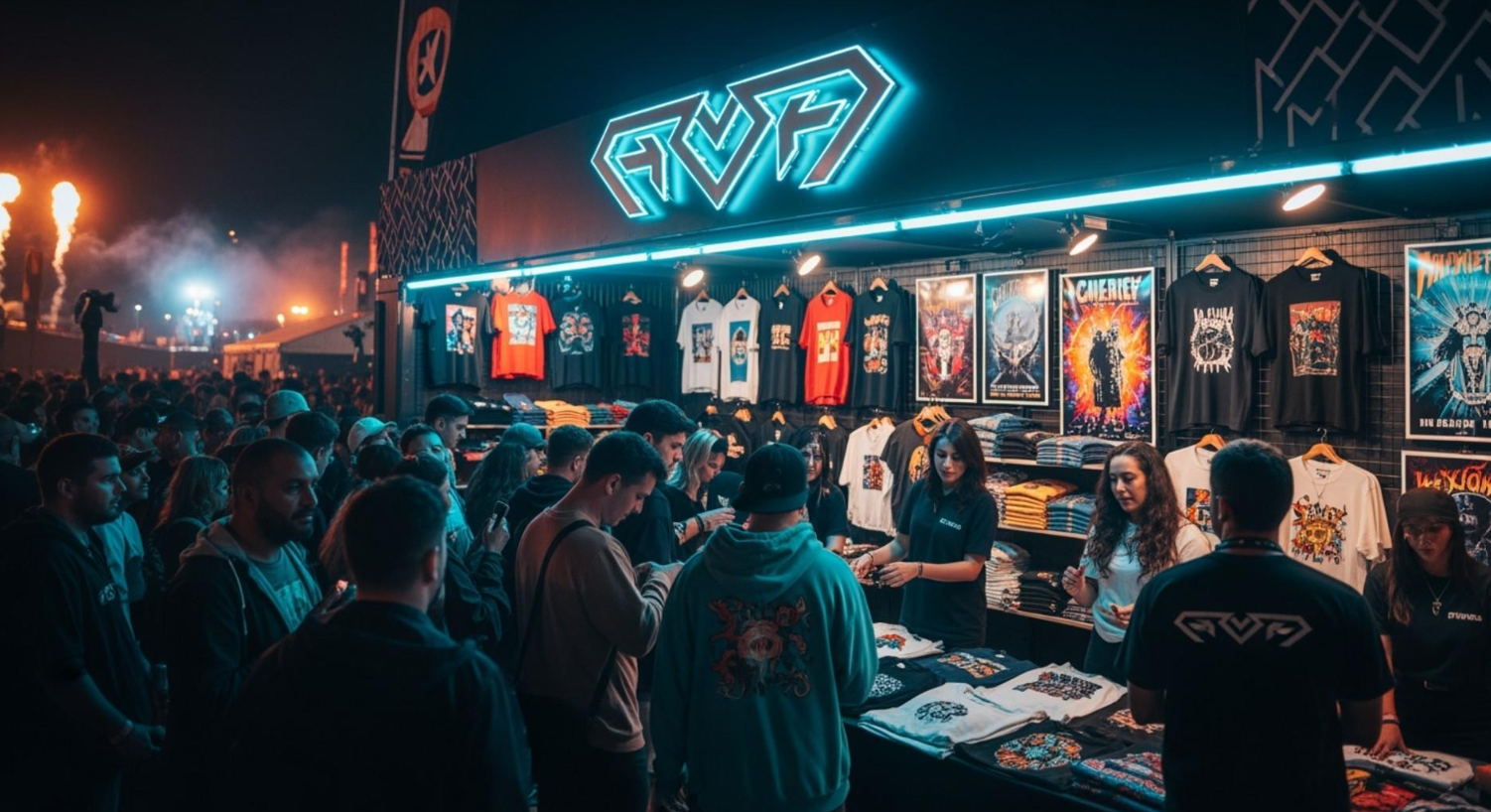
The Merch Trap: How Concerts, Sports Games, and Live Events Turn One Ticket Into a $300 Night
Imagine buying a concert ticket for $95. It seems reasonable enough. You have been waiting months to see your favorite artist, the seats look good, and the price fits what you planned to spend. Then the event arrives. You pay for parking or transportation, grab something to eat, buy a drink, and spot an exclusive tour hoodie at the merch stand. You tell yourself that it is a special occasion, so you purchase it. Later, you decide to get one more snack before the show begins.
By the time you return home, your $95 ticket has turned into a $250 or even $300 night.
And here is the frustrating part: none of those individual purchases necessarily felt outrageous at the time.
This is the merch trap. It is the combination of merch, food, transportation, and spontaneous purchases that can transform an affordable event into a major expense. Concerts, professional sports games, comedy shows, festivals, and other live experiences can all trigger the same pattern.
The problem is not that people spend money on entertainment. Enjoying a live performance or cheering for a favorite team can be worth every dollar. The problem begins when the advertised ticket price becomes the only number people consider before committing to an event.
In 2026, when consumers are already paying attention to everyday expenses, understanding the full cost of entertainment can help prevent a memorable evening from becoming a financial regret.
1. The Ticket Price Is Only the Beginning
Event tickets receive most of the attention because they are usually the first expense people see. Ticket websites display seat categories, prices, and fees, making it relatively easy to compare one option with another.
But the ticket is only one part of the experience.
Depending on the venue and event, additional expenses can include:
- Parking or public transportation.
- Gas, rideshares, or transportation to and from the venue.
- Food and drinks.
- Merch such as shirts, hoodies, hats, posters, and collectibles.
- Service charges or other purchase-related fees.
- Childcare or pet care, when needed.
- Hotel accommodation for events that require overnight travel.
- Purchases made before or after the event.
Some expenses are unavoidable. You need to reach the venue, and a long event may make eating beforehand or afterward necessary. Other purchases are optional but can feel almost essential once you are surrounded by the excitement.
The key is to stop thinking of the ticket as the total cost and start thinking of it as the entry price.
Consider a hypothetical night out:
Expense | Estimated cost |
|---|---|
Concert ticket | $95 |
Parking | $25 |
Dinner or food at the venue | $30 |
Drinks and snacks | $18 |
Tour merch | $75 |
Small additional purchase | $12 |
Total | $255 |
These are illustrative figures, not a claim about what every event costs. Actual expenses vary considerably depending on the artist, venue, city, ticket category, and personal choices.
Still, the example demonstrates the problem. The ticket represents less than half of the total spending, yet it was probably the only expense considered carefully when the purchase was made.
That difference matters. A person who believes an event will cost $95 may comfortably agree to attend. Someone who realizes the complete evening could cost $255 might choose cheaper seats, skip merch, or make a different plan.
Neither decision is automatically better. The important thing is making it with accurate expectations.
2. Why Event Merch Is So Tempting
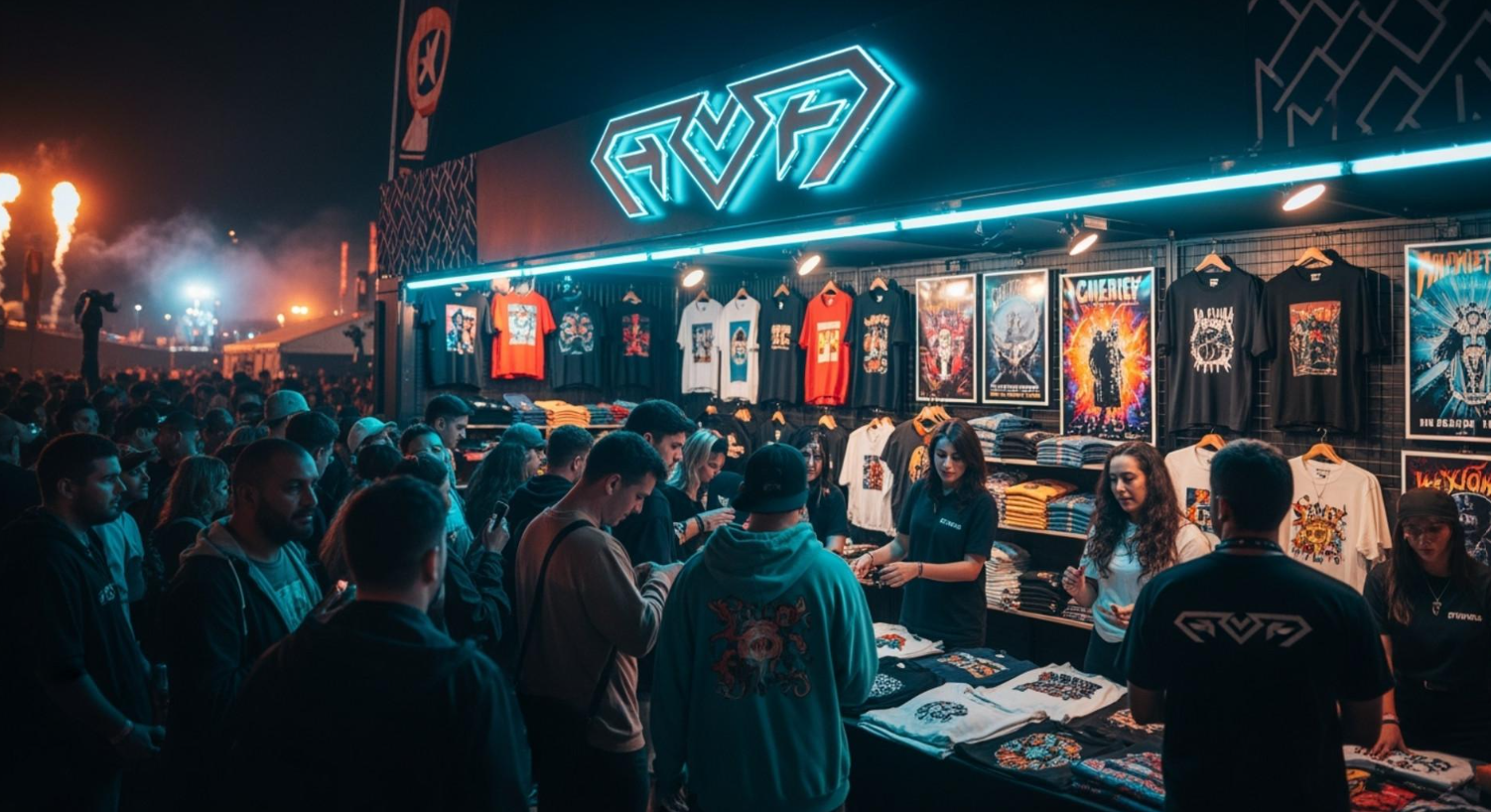
Merch is not simply another product sitting on a shelf. At a live event, it becomes connected to a memory.
A hoodie from a concert represents the artist you saw. A cap from a championship game reminds you of the season you followed. A limited-edition poster may commemorate a performance you believe you will never experience in quite the same way again.
That emotional connection can make people willing to pay more than they normally would for an ordinary item of clothing or decoration.
Imagine seeing a $70 hoodie at a concert. Under normal circumstances, you might compare its price with other hoodies, examine its quality, and decide whether you really need it.
At the venue, however, the decision happens in a different environment. The artist is about to perform. People around you are carrying merch bags. The design is exclusive to the tour, and you might not have another opportunity to buy it.
Suddenly, the hoodie feels less like clothing and more like a souvenir.
This is one reason concert merch can be particularly effective at encouraging impulse purchases. It sells both a physical product and an association with an experience.
The memory premium
People often assign extra value to objects that remind them of meaningful moments. That does not mean purchasing souvenirs is irrational. A product that brings someone lasting happiness can be worth more to them than an ordinary item.
The problem is confusing emotional value with financial affordability.
You might genuinely love a $70 tour shirt. But if buying it means carrying a credit card balance, missing another bill, or cutting into money needed for essentials, the emotional appeal does not eliminate the financial trade-off.
Before buying merch, ask yourself two questions:
- Would I still want this item if I were buying it online without the concert atmosphere?
- Will I be happy with this purchase when I look at my bank balance next week?
If the answer to the first question is no, you may be responding more to the moment than to the product itself.
If the second answer makes you uncomfortable, take a break before deciding.
When exclusive really means expensive
Event merch often uses designs, dates, locations, or collaborations that are closely associated with a particular performance. This can make an item feel difficult to replace.
However, exclusivity alone does not guarantee quality, resale value, or long-term desirability.
A limited-edition shirt is still a shirt. A numbered poster is not automatically an investment. And an item being unavailable later does not mean you must purchase it today.
If you genuinely collect memorabilia, it may make sense to set aside money for it. Just treat the purchase as entertainment spending rather than assuming the item will eventually be worth more.
3. The Psychology Behind Spending More at Live Events
The merch trap works because multiple spending triggers can appear together. Understanding them makes it easier to recognize when an ordinary purchase is turning into an expensive habit.
The fear of missing out
Limited-edition products, event-specific designs, and the sight of other fans buying merch can create a sense of urgency.
You may think, "If I don't buy it now, I'll never get another chance."
Sometimes that concern is legitimate. Certain items are available only at specific events. But the possibility of missing out can also make people rush into purchases they would otherwise evaluate more carefully.
A useful rule is to decide your merch budget before entering the venue. That way, the excitement can influence what you choose within your limit without determining how much you spend overall.
The special-occasion excuse
People naturally make exceptions for birthdays, holidays, vacations, concerts, and major sporting events.
The reasoning sounds harmless: you do not attend every week, so spending a little extra should be fine.
And it can be fine.
The problem is that "special occasion" spending can become a repeated justification. One concert becomes another concert, followed by a playoff game, a festival, and a weekend trip.
If each event costs more than expected, occasional entertainment can quietly become a substantial category in your annual budget.
The solution is not to stop celebrating. It is to decide how much you can comfortably spend on celebrations throughout the month or year.
The small-purchase illusion
A $12 snack does not feel like a major financial decision. Neither does a $9 drink or a $15 souvenir.
But several small purchases can accumulate into an amount that would have required serious consideration if presented as a single price.
This is especially easy when payments are made quickly by card or phone. The purchase feels complete before you have mentally added it to the rest of the evening's expenses.
Try keeping a running total on your phone. You do not need a complicated spreadsheet. A few numbers in a notes app can be enough to make the cost visible.
The sunk-cost effect
Once you have paid for an expensive ticket and traveled to the venue, you may feel that you should make the most of the entire experience.
That can lead to spending extra money simply because you are already there.
You might buy a pricey meal because the ticket was expensive, purchase merch because the evening is supposed to be memorable, or stay longer and spend more because you do not want the outing to feel wasted.
But the ticket price is already committed. Spending an additional $80 does not make the original purchase cheaper.
Every new expense deserves its own decision. The fact that you paid for admission does not mean you must buy anything else.
4. Why Venue Food and Drinks Can Blow Up Your Budget
Merch is an obvious temptation, but food and drinks can be just as significant.
At many venues, outside food and drinks are restricted or subject to specific rules. Once inside, visitors may have limited choices, long queues, and little desire to leave the event to find cheaper options.
Convenience becomes part of the price.
Imagine paying $16 for a meal, $7 for a drink, and $8 for a snack. The total is $31 before any merch purchase. For two people, similar spending can quickly become a substantial part of the evening's budget.
Prices and policies differ by venue, so it is worth checking the rules before attending.
A few simple strategies can help:
- Eat a proper meal before arriving if your schedule allows.
- Check the venue's rules on bringing water, snacks, or refillable bottles.
- Decide whether you want a full meal or just a small treat.
- Avoid buying food simply because you are waiting for the event to begin.
- If the venue allows it, bring permitted items instead of purchasing everything inside.
You do not have to refuse every treat to save money. The goal is to choose the purchases you actually care about rather than automatically buying something every time you pass a concession stand.
There is also a difference between planning for food and treating every craving as an emergency. When you know you have already eaten and have a clear spending limit, it becomes easier to decide whether an expensive snack is genuinely worth it.
5. Parking and Transportation: The Costs Nobody Puts on the Poster
Transportation can create another surprise, especially for large concerts, stadium games, and events in busy downtown areas.
A ticket may look affordable until you discover that parking costs extra, the venue is far from public transportation, or rideshare prices rise around the start and end of the event.
For people attending with friends, the transportation decision can be especially important. One person may prefer to drive, another may want to use a rideshare, and someone else may be willing to walk farther to avoid a parking charge.
Planning ahead gives you more options.
Before purchasing a ticket, check the venue's location, parking information, public transit routes, and likely return journey. Consider whether you will need to travel during a busy period when rideshare availability or pricing may differ from normal.
If you are going with a group, discuss transportation before the event rather than making separate decisions at the last minute.
Splitting an eligible parking or transportation cost can reduce each person's share. However, do not assume that the cheapest option is always the safest or most practical, particularly late at night.
A slightly more expensive journey may be reasonable if it offers a reliable way home. The aim is to budget for transportation realistically, not to minimize every dollar regardless of the circumstances.
6. How a $100 Ticket Can Become a $300 Night
The easiest way to understand event spending is to look at the full experience rather than the ticket in isolation.
Here is another hypothetical example of a concert attended by two people.
Expense | Cost for two |
|---|---|
Two tickets at $100 each | $200 |
Parking or transportation | $40 |
Food | $50 |
Drinks and snacks | $30 |
One merchandise item each | $120 |
Total | $440 |
The tickets cost $200 altogether, but the night costs $440. Merchandise accounts for $120, while transportation, food, and drinks account for another $120.
That is more than double the ticket cost.
Now imagine that the pair decides to skip merchandise, eat before arriving, and share transportation where practical. Their total might fall substantially without sacrificing the central experience: seeing the performance.
The precise savings depend on the event and what they choose. What matters is that several expenses are flexible even when the ticket price is not.
This is also why event budgeting should happen before the ticket purchase. If you have already spent most of your entertainment budget on admission, it is harder to accommodate everything else without dipping into money intended for other needs.
A simple event budget
A practical budget has four parts:
Admission: The ticket and any unavoidable ticket-related charges.
Getting there: Transportation, parking, and any accommodation required.
On-site spending: Food, drinks, merchandise, and other purchases.
A buffer: A small amount for reasonable unexpected expenses.
Add these categories before committing to the event. If the total is higher than you can comfortably afford, change the plan while you still have choices.
You could choose a less expensive seat, attend a different date, use a cheaper transport option, or set a lower merchandise limit.
An event that fits your budget is usually more enjoyable because you are not spending the entire evening worrying about what everything costs.
7. Is Expensive Merchandise Ever Worth It?
Absolutely—if the purchase fits your finances and provides value that matters to you.
Financially responsible spending does not mean buying only necessities. Entertainment, hobbies, collections, and experiences are legitimate reasons to use money.
Someone who collects concert posters may value a tour-exclusive print much more than someone who never displays artwork. A devoted sports fan may happily spend money on an official jersey because they will wear it for years.
The question is not whether a product is objectively worth its price to everyone. It is whether the purchase makes sense for your priorities and circumstances.
Consider three factors.
How often will you use it?
A hoodie you wear regularly may provide more value than a decorative souvenir that stays in its packaging.
That does not make display items worthless. It simply helps you compare purchases according to how you intend to enjoy them.
Does the price fit your budget?
A $100 collectible can be a reasonable purchase for someone who planned for it and still has money available for essentials, savings, and other commitments.
The same item can be a poor choice for someone who must borrow money to buy it.
Affordability is personal. The same price can mean very different things to different people.
Would you buy it without the pressure?
Imagine waiting until the next morning before making the purchase. Would you still want it? Would you search for the same item online? Would you be satisfied with a less expensive alternative?
You may still decide to buy it. The purpose of these questions is to make sure the choice reflects your preferences rather than the urgency of the moment.
8. The Resale Myth: Don't Treat Every Souvenir Like an Investment
One reason some people justify expensive merchandise is the belief that limited-edition products may become valuable later.
Sometimes collectible merchandise does attract buyers on the secondary market. But resale demand is unpredictable, and an item being limited does not guarantee that anyone will want to buy it at a profit.
The final resale price may depend on the artist or team, the design, condition, authenticity, availability, and changing fan interest. Selling fees, shipping costs, and the time required to find a buyer can also reduce any potential return.
A product that originally cost $90 might attract little interest later. Even if someone offers $100, the seller may not receive that full amount after expenses.
There is also a difference between an asking price and an actual completed sale. Listings can remain online for long periods without finding a buyer.
If you are purchasing a souvenir, the safest approach is to value it primarily for the enjoyment you expect to get from owning it.
If it eventually becomes collectible, that is a bonus—not a financial plan.
This principle applies beyond concerts. Sports jerseys, festival merchandise, commemorative items, and celebrity-branded products can all carry emotional or cultural significance without being reliable investments.
9. How to Enjoy Live Events Without Overspending
You do not need to turn every night out into a strict financial exercise. A little planning can make spending easier to manage while leaving room for spontaneity.
Set your total budget first
Instead of deciding that you can afford a $120 ticket, decide how much you can spend on the entire event.
If your total budget is $200, the ticket should leave enough room for transportation and any other expenses you consider important.
The exact limit depends on your finances. There is no universal amount that everyone should spend on entertainment.
Create a merchandise limit
Choose your maximum merchandise budget before you see the stands.
For example, you might decide that you can spend $40 on a shirt or small souvenir but will not buy a more expensive hoodie unless you have planned for it.
You can also choose one item rather than several. That gives you a physical memory of the event without turning the merchandise stand into an open-ended shopping trip.
Check the venue's rules
Find out whether outside food, sealed water bottles, reusable bottles, or other items are permitted. Rules differ, so do not assume that something allowed at one venue will be accepted at another.
Knowing what you can bring may help you avoid unnecessary purchases.
Eat before you arrive
If the event schedule and venue rules make it practical, eat beforehand. You can still buy a favorite snack or drink at the venue, but you will have more freedom to choose instead of buying a full meal because you are hungry.
Use a separate spending limit
You could set aside a fixed amount for event-related extras in a dedicated budget category or use a payment method that helps you monitor spending.
The important part is knowing how much remains. Avoid treating a credit limit as permission to spend more than you can afford to repay.
Pause before buying
When you see an item you like, take a moment before paying. Look at the price, consider whether you already own something similar, and ask whether it fits the limit you set.
If the item is genuinely important to you and within budget, enjoy it. If you are buying it mainly because everyone else is, walking away may feel better later.
Track the total afterward
Once the event is over, note what you actually spent. Compare it with your estimate.
This is not about criticizing yourself for buying a souvenir or an expensive snack. It is about improving your next decision.
If you repeatedly underestimate transportation costs, budget more for them next time. If merchandise always takes up more than expected, make a separate category for it.
Over time, you will get better at predicting what your preferred events really cost.
10. The Bigger Lesson: Entertainment Needs a Budget, Not Guilt
Money advice sometimes makes spending on fun sound irresponsible. That is not a useful way to think about it.
A life built entirely around avoiding expenses would be miserable for many people. Concerts, sports games, festivals, and other events can provide excitement, connection, and memories that are difficult to replicate at home.
The goal is not to eliminate enjoyable spending. It is to prevent one category of spending from undermining everything else.
A useful entertainment budget can include money for concerts, movie nights, games, hobbies, and special occasions. Once you know how much is available, you can decide which experiences matter most.
That may mean attending one major concert rather than three smaller events. It may mean buying a jersey but skipping stadium food. Or it may mean spending generously on an experience you have wanted for years because you saved for it in advance.
There is no single correct choice. What matters is that you make it deliberately.
This approach also connects to broader personal finance habits. Readers exploring practical money decisions can find related financial content at Finiuo. For consumer rights and legal topics that may affect purchases, Jurnza offers a different perspective. And because a balanced lifestyle includes more than money alone, Dryzen Royal covers dry fruits and nutrition.
The common thread is informed decision-making: understanding what you are buying, why you want it, and how it fits into your life.
11. The Real Cost Is the One You Didn't Plan For
The merch trap rarely depends on a single outrageous purchase. More often, it grows from a series of small decisions that feel reasonable in isolation.
The ticket seems affordable. Parking is inconvenient but necessary. The food is expensive, but you are hungry. The hoodie is exclusive, and the evening deserves a souvenir. A final snack seems harmless.
Then you add everything together.
A $100 ticket does not automatically become a $300 night. But it can if you ignore the costs that surround the ticket and allow the excitement of the event to make every extra purchase feel justified.
The good news is that most of these expenses can be anticipated. You can estimate transportation, decide how much to spend on food, set a merchandise limit, and choose the experiences that matter most.
You can also decide that a particular souvenir is worth the price. Spending intentionally does not mean refusing to spend; it means knowing what you are choosing and accepting the trade-off.
The next time you buy a ticket, look beyond the advertised price. Think about the complete evening, from leaving home to returning home. If the total fits your budget, enjoy the event without guilt.
And if it does not, make adjustments before the excitement takes over.
Conclusions
Concerts, sports games, and live events can be far more expensive than their ticket prices suggest. Merchandise, food, drinks, parking, transportation, and spontaneous purchases can transform an affordable outing into a costly experience.
The merch trap is particularly powerful because purchases become attached to memories, exclusivity, and the fear of missing out. These emotional factors can make expensive items seem more appealing than they would in an ordinary shopping environment.
But enjoying an event does not require buying everything it offers. Set a total budget before purchasing tickets, plan for transportation and food, decide how much merchandise you can afford, and avoid treating limited-edition products as guaranteed investments.
Most importantly, spend according to what genuinely matters to you. If a souvenir brings lasting enjoyment and fits your budget, buy it. If it creates financial stress, the memory of the event does not need to come with it.
A great night out should leave you with something worth remembering—not a bill that makes you wish you had stayed home.