

Thrifting Isn't Always Cheap while Buying: The Hidden Economics of Secondhand Shopping in 2026
Introduction: When a Bargain Becomes an Expensive Habit
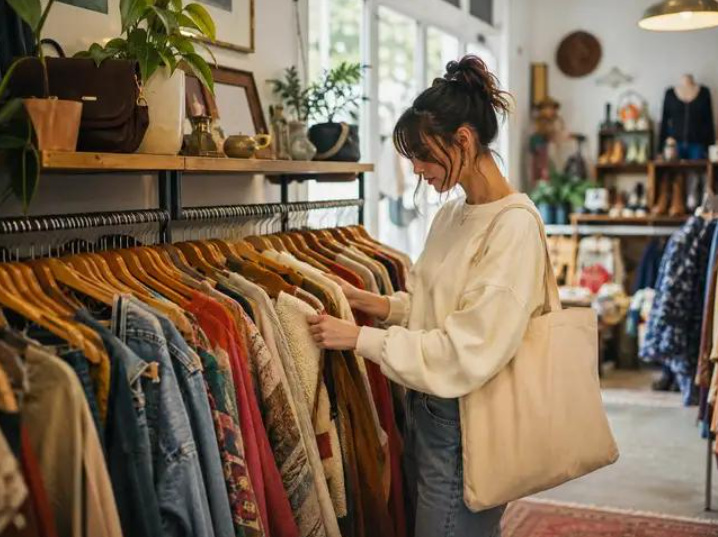
Secondhand shopping has a reputation for being one of the smartest ways to save money. Instead of paying full retail prices, shoppers visit thrift stores, browse resale apps, explore vintage boutiques, and search online marketplaces for items someone else no longer wants. The idea sounds simple: buy a product for less than it costs new, keep more money in your pocket, and potentially help reduce waste at the same time while buying.
But the reality can be more complicated.
A jacket advertised as vintage may cost more than a new one from a mainstream retailer. A secondhand dress might look inexpensive until shipping and other charges are added. A shopper who enters a thrift store looking for one pair of jeans may leave with six items that seemed too cheap to resist.
Suddenly, the money-saving strategy has become another way to spend.
This doesn't mean secondhand shopping is a bad financial decision. It can be an excellent way to find quality clothing, furniture, books, household goods, and other useful products at lower prices. Buying used can also help extend the life of products that might otherwise be discarded.
The problem is assuming that a secondhand label automatically means a lower price, better value, or smarter purchase.
In 2026, consumers need to look beyond the appeal of a bargain. The real question isn't simply whether a used item costs less than a new one. It's whether the item meets a genuine need, offers sufficient quality, and delivers better overall value after every relevant cost is considered.
For readers exploring everyday money decisions, Finiuo focuses on practical finance and consumer choices. The same principle applies across personal spending: a discount can be attractive without being financially beneficial.
Let's examine why thrifting doesn't always save money, where the best opportunities lie, and how to shop secondhand without turning every small purchase into a budget problem.
Why Secondhand Shopping Has Become So Popular
Secondhand shopping appeals to consumers for several reasons, and saving money is only one of them.
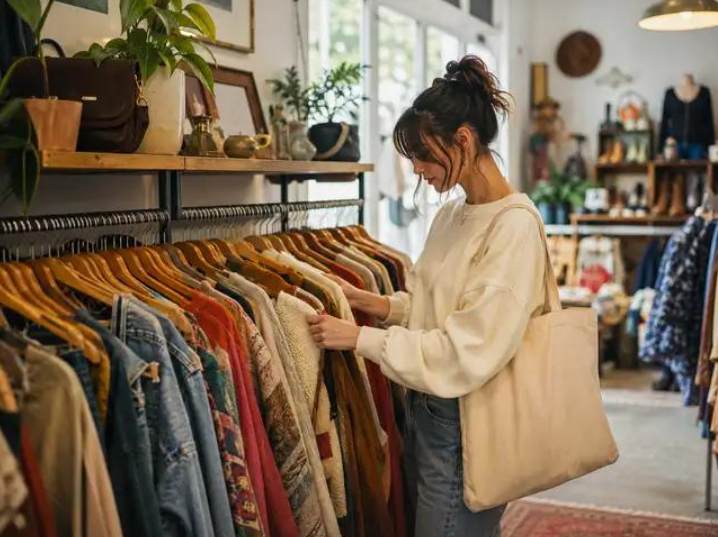
Some shoppers want lower prices on everyday essentials. Others are searching for distinctive fashion, older designs, collectible products, or brands that are expensive when purchased new. Sustainability is another motivation, as buying used can extend a product's useful life and reduce demand for newly manufactured goods.
Online resale platforms have made this market more accessible. Shoppers can compare listings, search for particular brands, filter by size, and browse products without visiting multiple physical stores.
Social media has also helped turn secondhand shopping into a lifestyle. Vintage outfits, thrift-store finds, clothing transformations, and resale hauls can make the experience feel entertaining rather than purely practical.
That entertainment factor is important because it changes how people shop.
A person looking for an affordable winter coat may approach the purchase with a clear need and a fixed budget. Someone scrolling through vintage listings for fun may discover dozens of items they never planned to buy.
The second shopper could still find excellent value, but the buying decision is now driven partly by novelty and excitement.
Thrifting therefore sits at the intersection of three activities:
- Practical shopping: Finding an item you need for less.
- Personal expression: Discovering distinctive styles or unusual products.
- Entertainment: Enjoying the search, browsing, and thrill of finding a bargain.
There is nothing inherently wrong with any of these motivations. Problems arise when shoppers believe every purchase is financially sensible simply because the item is secondhand.
A $25 jacket you need and wear regularly may be a great purchase. A $25 jacket that stays in your closet because it doesn't fit properly is still $25 spent unnecessarily.
The difference is not the store. It is the value you receive.
The Price Myth: Used Does Not Always Mean Cheap
The secondhand market contains products at very different price points. A charity shop, a local resale store, a curated vintage boutique, and an online marketplace may sell similar-looking items at substantially different prices.
Some sellers prioritize quick turnover and affordable pricing. Others focus on rare designs, recognizable brands, condition, or the aesthetic appeal of a carefully selected collection.
That means the word secondhand tells you something about a product's history, but not necessarily what it should cost.
Consider this illustrative comparison:
Product | Secondhand price | Comparable new price |
|---|---|---|
Basic T-shirt | $8 | $12 |
Everyday jeans | $28 | $30 |
Vintage jacket | $85 | $65 |
Used office chair | $70 | $100 |
Secondhand handbag | $90 | $75 |
These figures are hypothetical examples, not market averages. Actual prices vary by location, brand, condition, and product type.
The comparison nevertheless highlights an important point: a secondhand product can be cheaper, similarly priced, or more expensive than a comparable new item.
A vintage jacket might command a premium because of its design or rarity. A handbag might be priced highly because of brand recognition. An everyday pair of jeans, however, might offer little financial advantage if a new pair is available at a similar price.
The smartest shopper doesn't assume that used products are cheaper. The shopper checks.
Before buying, compare the secondhand item with at least one or two realistic alternatives. Consider comparable quality, expected lifespan, condition, warranty coverage, and any costs needed to make the item usable.
A $40 used product is not automatically a better deal than a $50 new product. If the new version lasts much longer or comes with a meaningful warranty, the extra $10 may be worthwhile.
On the other hand, paying extra for a new item makes little sense when a used version is in excellent condition and performs just as well.
The goal is not to buy the cheapest product. It is to get the most useful value for your money.
Why Some Thrift Store Prices Feel Surprisingly High
1. Popular brands can command a premium
A recognizable label can influence resale pricing even when the product is used.
Shoppers searching for particular brands may be willing to pay more because they associate those products with quality, status, or a specific style. Sellers know this, and some price their inventory accordingly.
That can create opportunities to find desirable products below their original retail prices. It can also create situations where a used item costs nearly as much as a discounted new version.
Brand recognition alone does not guarantee good value. A familiar logo cannot tell you whether the garment fits, whether the material is durable, or whether the asking price is reasonable.
2. Vintage has become a product category of its own
Vintage shopping is not always the same as ordinary thrift shopping.
A local thrift store might offer a broad mix of donated clothing, while a vintage boutique selects items based on age, style, condition, and demand. The boutique's price may reflect the time spent finding and preparing the inventory, along with its retail costs.
A vintage item can genuinely be special. Certain designs, materials, and older products may be difficult to find elsewhere.
But a product being old does not automatically make it rare, collectible, or valuable.
If you want a vintage look rather than a particular historical item, compare the price with modern alternatives. A new jacket with a similar style might offer comparable appearance and better condition at a lower cost.
If authenticity or collectibility matters to you, research the specific item rather than relying on the word vintage.
3. Online convenience comes with additional costs
Online resale platforms make it easier to find specific products, but the listed price may not represent the complete cost of the purchase.
Depending on the marketplace and transaction, shoppers may need to account for shipping, applicable taxes, buyer-protection charges, or other disclosed costs.
A $15 shirt may seem inexpensive until delivery costs make the total $23. That doesn't necessarily mean the purchase is bad, but it does mean the original listing price was an incomplete basis for comparison.
Shipping can be particularly inefficient for inexpensive items. Paying a delivery charge for one low-cost product may erase much of the savings compared with buying something locally.
Before checking out, compare the final total against a realistic alternative. Don't let a low headline price make the decision for you.
4. Curated inventory costs more
Some secondhand businesses sort, clean, repair, photograph, and organize their products before offering them for sale.
That work can make shopping easier and help buyers find better-quality items. It also contributes to the seller's operating costs.
A carefully selected secondhand store is therefore not necessarily trying to compete with the lowest-priced donation-based thrift shop.
The higher price may be justified by convenience, condition, selection, or specialized expertise. Whether it is worth paying depends on what you value.
If you enjoy searching through mixed inventory, you might prefer a lower-priced store. If you need a specific item quickly, a curated shop could save time.
Time has value, too—but only if the convenience is worth the additional expense to you.
The Biggest Financial Trap: Buying Things Because They Are Cheap
One of the most expensive habits in bargain shopping is buying products simply because their prices seem too good to ignore.
Imagine visiting a thrift store with a plan to buy one pair of jeans. You find the jeans for $20, then discover a $7 shirt, a $12 handbag, and a $10 jacket.
Every item looks affordable. You decide that buying all four is a better deal than purchasing them separately at full retail prices.
Your total is now $49 instead of the $20 you planned to spend.
You did save money relative to the hypothetical cost of buying comparable new items at higher prices. But you also spent an additional $29 on products you didn't originally need.
If those extra items become regular wardrobe favorites, the purchase may be worthwhile. If they sit unused, the savings were largely theoretical.
A discount only creates financial value when the product provides value to the person buying it.
This is where thrift shopping can resemble other forms of impulse buying. A shopper may spend money to capture a perceived opportunity rather than to solve an actual problem.
The phrase "I couldn't leave it behind at that price" can sound like a justification. Sometimes it is simply a sign that the price influenced the decision more than the need did.
A useful rule is to separate two questions:
- Would I want this item if it were not discounted?
- Is the current price good compared with realistic alternatives?
If the answer to the first question is no, the discount may not matter.
You don't save money by purchasing something you never needed. You save money by purchasing something useful at a price that makes sense.
The Cost of Buying Secondhand Clothing
Clothing is one of the most visible categories in secondhand shopping, but it is also a category where shoppers can easily underestimate the full cost.
A used garment may require cleaning, minor repairs, alterations, or replacement buttons. Some products may have stretched fabric, worn seams, fading, stains, or damage that is difficult to see in photographs.
These issues do not make secondhand clothing undesirable. They simply need to be included in the decision.
Imagine finding a secondhand coat for $35. It looks excellent in the store, but you later discover that it needs $20 in repairs.
The coat now costs $55 before you consider the time and effort involved. If a comparable new coat costs $60 and is ready to wear, the financial advantage of the used option has become small.
By contrast, a well-made secondhand coat for $35 that needs no repairs could be a strong bargain.
Before buying clothing, inspect the following:
- Fabric condition: Look for thinning material, pilling, fading, and damaged areas.
- Seams and fasteners: Check stitching, zippers, buttons, and closures.
- Fit: Confirm that the item fits comfortably or can be altered at a reasonable cost.
- Cleaning requirements: Consider whether the garment needs special treatment.
- Wearability: Ask whether it matches clothes you already own and suits your everyday needs.
The final point is easy to overlook. An inexpensive garment that does not match anything in your wardrobe may lead to further purchases simply to make it wearable.
The strongest secondhand clothing purchase is often a versatile item that fills a genuine gap in your wardrobe, not the most unusual thing on the rack.
Are Resale Apps Really Saving You Money?
Online resale apps can be useful because they allow shoppers to search across a wide selection without traveling from store to store.
They can also make shopping feel continuous. There is always another listing, another seller, another discount, or another item that might be worth buying.
That convenience can increase the number of purchasing opportunities a person encounters.
A shopper who visits a local thrift store once a month has limited exposure to new inventory. Someone who checks resale apps several times a day may see hundreds of products during the same period.
More choice can help you find the right product. It can also make unnecessary purchases more tempting.
The problem with endless browsing
Shopping apps are designed to make searching and comparing convenient. Users can save searches, receive notifications, browse recommendations, and return to products they previously viewed.
These features can be helpful when you are searching for a specific item. But they can also keep shopping at the center of your attention.
The financial effect depends on how you use the platform.
If you search for a particular winter coat, compare prices, and buy the best suitable option, the app may save both time and money.
If you open it whenever you are bored and repeatedly buy low-cost items, the cumulative spending can become significant.
The issue isn't that resale apps are inherently harmful. It is that frequent exposure to products can create a steady stream of spending decisions that would not otherwise exist.
A practical way to use resale apps
Treat online resale as a search tool rather than an entertainment feed.
Start with a list of products you actually want. Set a maximum total price, including applicable delivery costs. Compare several listings, read the condition descriptions, and check the seller's policies.
When you find an appropriate item, make the decision based on its usefulness and total cost.
If you are only browsing for fun, set a separate entertainment budget. That way, you can enjoy looking without pretending every purchase is a money-saving opportunity.
The Quality Question: Is Used Always Better Value?
A secondhand product can offer excellent value, particularly when it is durable, well maintained, and significantly cheaper than a comparable new item.
But age and condition matter differently across product categories.
A used book may be an easy way to save money if the pages are intact. A secondhand solid-wood table may provide years of service with little maintenance. A used electronic device, by contrast, may have battery wear, missing accessories, limited software support, or a shorter remaining lifespan.
The correct comparison is not simply used versus new. It is the expected cost of getting the performance you need from each option.
Consider two hypothetical products:
Factor | Used product | New product |
|---|---|---|
Purchase price | $40 | $70 |
Expected useful life | 2 years | 5 years |
Approximate cost per year | $20 | $14 |
Warranty | Limited or none | Included |
Initial spending | Lower | Higher |
These estimates are illustrative. They demonstrate how a lower purchase price can lead to a higher cost over time.
In this example, the used product costs less upfront but more per year of expected use. If the buyer only needs the product for a short period, the used option may still be sensible. If long-term use is the goal, the new product may offer better value.
You should also consider the risk of failure. If a used item stops working soon after purchase, replacement costs can erase the initial savings.
That doesn't mean you should always choose new. It means the purchase price is only one part of the equation.
For more complicated purchases, especially electronics, furniture, and appliances, compare expected lifespan, repairability, warranty protection, and replacement costs before deciding.
When Secondhand Shopping Actually Makes Financial Sense
There are plenty of situations where buying used is a smart financial choice.
When the product is durable
Products built to last can retain significant usefulness after their first owner is finished with them.
Solid furniture, quality tools, books, and certain clothing items can be good secondhand purchases when they are in sound condition.
The key is to inspect the product and confirm that the price reflects its actual condition.
When you need something temporarily
Not every purchase needs to last for a decade.
You might need formal clothing for one event, a piece of furniture for a temporary living arrangement, or equipment for a short-term project.
A suitable used item may cost much less than buying new, particularly when you can resell it afterward.
However, resale is not guaranteed. Do not assume you will recover your money unless there is a realistic market for the product and you are comfortable with the possibility of keeping it.
When the new version is unnecessarily expensive
Some products carry substantial retail markups because of branding, fashion trends, or presentation rather than a meaningful difference in practical performance.
If a secondhand version provides the same function and quality for substantially less, buying used can be a sensible way to avoid paying for features you do not need.
Be careful, though, not to assume that every branded product is overpriced or every unbranded alternative is equivalent. Compare the specific products.
When you can inspect the item properly
Being able to examine an item before paying reduces uncertainty. You can check condition, fit, dimensions, and functionality instead of relying entirely on photographs and a seller's description.
This is especially valuable for clothing and furniture.
For online purchases, look for clear photographs, specific condition descriptions, transparent return policies, and a seller with a credible history. If essential details are missing, the uncertainty should affect your willingness to buy.
How to Calculate the Real Cost of a Secondhand Bargain
You do not need a complicated spreadsheet to determine whether a purchase makes sense. A few simple calculations can make the decision much clearer.
Step 1: Calculate the complete purchase cost
Start with the listed price, then add all applicable expenses.
For example:
Expense | Amount |
|---|---|
Used desk | $45 |
Delivery | $15 |
Minor repairs | $10 |
Total cost | $70 |
The desk is not really a $45 purchase. It is a $70 purchase once the listed additional costs are included.
Compare that total with the cost of an appropriate alternative. If a new desk costs $85 and offers similar functionality with easier delivery and warranty protection, the difference may be too small to justify buying used.
If the comparable new desk costs $140, the secondhand option could provide a more meaningful saving.
Step 2: Consider how often you will use it
An item that gets regular use is more likely to justify its cost than one that stays unused.
Suppose you spend $60 on a secondhand jacket and wear it 60 times. The purchase price works out to $1 per wear.
If you spend $30 on another jacket but wear it only three times, the purchase price works out to $10 per wear.
Cost per use is not a perfect measure, and it should not encourage people to buy expensive products simply to justify their purchase. But it can help you compare items you genuinely expect to use.
Step 3: Account for quality and expected lifespan
If two products have different expected lifespans, compare their cost over the period you plan to use them.
For a product expected to last three years, divide the total purchase and necessary maintenance cost by three to estimate its annual cost. Use realistic estimates rather than assuming the item will last indefinitely.
This is particularly useful for furniture, footwear, tools, and other products where durability affects value.
Step 4: Compare the final result with your budget
Even an excellent deal can be the wrong purchase if it disrupts your financial priorities.
A discounted coat is not a financial win if buying it means you cannot afford a necessary expense later in the month.
Decide how much you can reasonably spend before browsing. If the item exceeds that limit, wait or consider alternatives.
The purpose of a budget is not to prevent every enjoyable purchase. It is to make sure your spending reflects your priorities.
Five Rules for Saving Money While Thrifting
1. Shop with a list
Identify what you need before entering a store or opening an app. A list helps you distinguish between a useful purchase and something that merely catches your attention.
You can still make room for an unexpected find, but the exception should not become the main shopping strategy.
2. Set a maximum price
Decide how much you are willing to pay for each category of item. Research comparable products where practical, and include repair, cleaning, delivery, and other relevant costs.
A maximum price makes it easier to walk away when a seller asks too much.
3. Wait before buying nonessential items
If you find something that was not on your list, give yourself time to consider it.
Ask whether you would still want it tomorrow, whether it serves a purpose, and whether you already own something similar.
A pause can help separate genuine interest from the excitement of finding a bargain.
4. Avoid buying just to reach a shipping threshold
Some sellers offer free shipping above a minimum purchase amount. That can be useful if you already need several products.
But spending another $20 to avoid a $6 shipping charge is not a saving if the extra items have no real value to you.
Compare the complete cost of both options. Paying shipping on one needed item can be cheaper than buying unnecessary products to qualify for free delivery.
5. Keep track of what you actually save
If you enjoy thrift shopping regularly, record what you spend and how often you use the items.
You can also compare your purchases with the prices of realistic new alternatives. This helps you identify which categories offer genuine savings and which tend to encourage overspending.
If you discover that vintage clothing regularly costs more than the alternatives you would otherwise choose, adjust your shopping habits. You might reserve thrift stores for specific items and buy basics elsewhere when the price and quality make sense.
The Sustainability Argument: Does Buying Secondhand Always Help?
Many consumers choose secondhand products because they want to reduce waste and extend the life of existing goods.
That can be a worthwhile goal. Purchasing a used item instead of a comparable new one can reduce demand for new production, and reusing products can help keep usable goods out of waste streams.
However, the environmental effect of a purchase depends on several factors, including the product's condition, how long it remains useful, how it is transported, and whether the buyer would otherwise have purchased something new.
Buying a secondhand shirt that replaces a planned new purchase is different from buying five extra shirts that you would never have purchased otherwise.
The first transaction may satisfy an existing need while extending the life of a product. The second may add consumption rather than replace it.
Transportation also matters. Ordering one inexpensive item from far away may involve delivery impacts and packaging that a local purchase avoids. These considerations do not automatically make online resale a poor choice, but they show why the word sustainable should not be treated as a universal guarantee.
The most practical approach is to buy products you will use, maintain them properly, and avoid replacing functional items simply because a new trend appears.
Sustainability and financial discipline can often support each other, but neither requires buying something every time an appealing deal appears.
What About Luxury and Collectible Secondhand Products?
Luxury handbags, watches, designer clothing, sneakers, and collectibles follow different pricing dynamics from everyday secondhand goods.
Some items retain demand because of their design, limited availability, condition, or brand reputation. Others lose value quickly, even if they originally carried a high retail price.
That makes research especially important.
A seller may describe an item as rare or highly sought after, but the asking price does not prove that buyers are willing to pay that amount. Nor does it guarantee that you could resell the item later for a similar price.
If your goal is to own and enjoy a product, evaluate whether the price makes sense for your personal budget and preferences.
If your goal is investment or resale, you need a much stricter analysis. Consider verified transaction prices, authentication, selling fees, storage, maintenance, and the possibility that demand will decline.
Never assume a product is an investment simply because it is expensive, used, or described as collectible.
A secondhand purchase can be enjoyable without being profitable. Keeping those two goals separate can prevent a hobby from becoming an unexpected financial burden.
The Bottom Line for Shoppers in 2026
Secondhand shopping can be a powerful way to stretch a budget, but only when buyers evaluate the complete purchase rather than focusing on the thrill of a low price.
Compare similar products, account for delivery and repairs, inspect quality, and consider how often you will use the item. For expensive purchases, examine warranty protection and expected lifespan as well.
It also helps to recognize the emotional side of bargain hunting. The excitement of finding a rare jacket or a discounted handbag can make a purchase feel more valuable than it actually is. A clear budget and a short waiting period can help keep that excitement from turning into unnecessary spending.
The best secondhand purchase is not necessarily the cheapest item in the store. It is the product that meets a genuine need, performs well, and costs less—or provides more value—than the alternatives.
For further reading across different lifestyle and consumer topics, you can explore Jurnza for legal information and Dryzen Royal for dry-fruit and nutrition content. Different topics call for different decisions, but understanding what you are paying for is always useful.
Ultimately, thrifting should give you more control over your spending, not another reason to spend. When you shop with a plan, compare real prices, and buy only what you genuinely value, secondhand shopping can deliver meaningful savings. When you buy simply because something is cheap, even a store full of bargains can become an expensive habit.
Conclusions
Thrifting is not automatically cheaper than buying new. Vintage markups, brand premiums, shipping expenses, repairs, and impulse purchases can all reduce or eliminate the savings shoppers expect from secondhand goods.
That does not make secondhand shopping a bad idea. It can be especially valuable for durable products, temporary needs, quality clothing, furniture, books, and items that cost significantly less used without sacrificing the performance you need.
The difference comes down to how you evaluate a purchase. Check comparable prices, calculate the complete cost, inspect the product's condition, and consider its expected lifespan. Most importantly, distinguish between buying something you need and buying something because the discount makes it tempting.
A bargain is only a bargain when it provides real value. In 2026, the smartest shoppers are not necessarily the ones who find the most discounted products. They are the ones who know when to buy, when to wait, and when walking away is the best way to save money.