

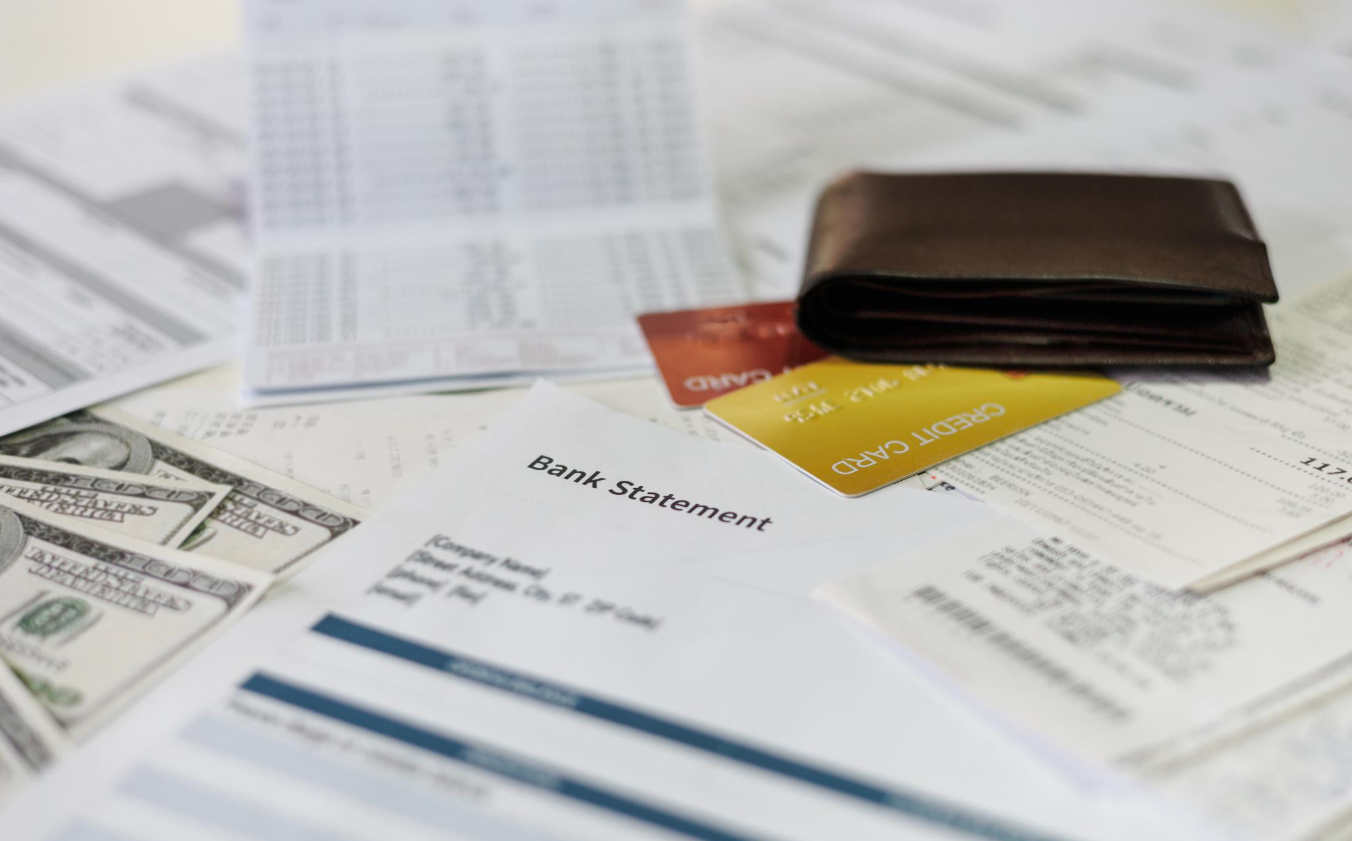
Unclaimed Money in 2026: How to Find Forgotten Funds in Your Name
Introduction
What if money already belonged to you, but you had no idea where to find it? It might be an old utility deposit, an uncashed paycheck, a forgotten bank account, an insurance payment, or a refund sent to an address you no longer use. These funds can become difficult to locate when people move, change jobs, close accounts, or lose track of financial records and are considered as unclaimed money.
In the United States, this type of money and property is commonly described as unclaimed property. Businesses, financial institutions, insurance companies, and government agencies may hold assets that they cannot deliver to their rightful owners. Depending on the type of asset and the applicable rules, the property may eventually be reported to a state or another government agency.
The good news is that consumers can search official resources to determine whether funds may be owed to them. In many cases, searching is free, and eligible owners can submit claims without paying a private recovery company.
However, finding money is not guaranteed. Search results may belong to someone with a similar name, some assets require additional research, and claiming funds can involve identity verification or proof of ownership.
This guide explains how to find unclaimed money in 2026, which databases to check, how to submit a claim, what documents you may need, and how to avoid scams that target people searching for forgotten funds.
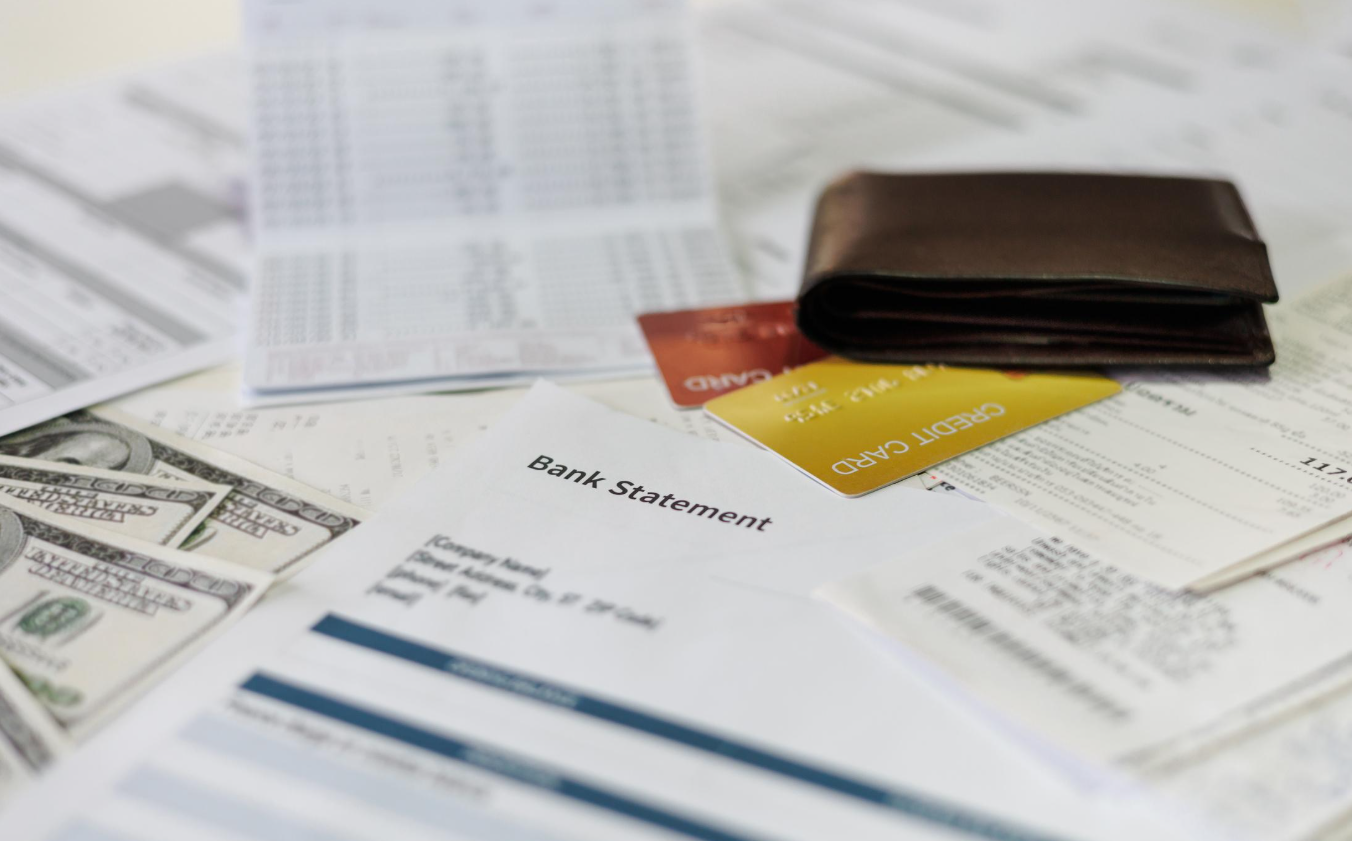
What Is Unclaimed Money?
Unclaimed money generally refers to funds or other financial assets that an organization cannot deliver to their rightful owner. In many situations, the owner has not collected the money, the organization has lost contact with the owner, or the account has remained inactive for a period specified by applicable law.
For example, a former employer might issue a final paycheck that never reaches an employee who has moved. A utility company might owe a deposit refund to a customer who closed an account years ago. An insurance company could hold a payment that a beneficiary has not collected.
When the applicable reporting requirements are met, the business or institution may transfer the property to the appropriate state unclaimed-property program.
This process does not automatically mean the original owner has lost the right to claim the money. State rules determine how the property is handled, how claims are processed, and whether any special limitations or exceptions apply.
Unclaimed property can include:
- Uncashed payroll checks and other wages.
- Forgotten checking and savings account balances.
- Utility deposits and customer refunds.
- Insurance proceeds and certain policy-related payments.
- Uncashed cashier's checks and money orders.
- Unclaimed dividends and certain investment-related assets.
- Outstanding refunds, credits, and vendor payments.
- Certain court-related or bankruptcy funds.
- Other financial property covered by applicable state law.
Not every missing financial asset appears in a state unclaimed-property database. Some assets are held by federal agencies, courts, financial regulators, or other specialized organizations. That is why checking several appropriate resources can be more effective than relying on a single website.
Why Does Money Become Unclaimed?
Unclaimed property often results from ordinary life changes rather than deliberate financial decisions. A person may have money waiting for them without realizing it.
1. Moving to a New Address
Moving is one of the most common reasons financial correspondence becomes disconnected from its intended recipient.
Someone might relocate for a job, move to another state, or change apartments without updating every company that holds their information. A refund check, insurance payment, or account notice could then be returned as undeliverable.
Even if the company has the correct name, an outdated address may make it difficult to locate the owner.
2. Changing Jobs
People who change employers may forget about their final paycheck, expense reimbursement, or other outstanding payment.
For example, an employee who leaves a company after several years might be owed a small payroll adjustment. If the check is mailed to an old address or never deposited, the money could eventually become unclaimed property under the relevant rules.
3. Forgetting Old Financial Accounts
A person may open a bank account as a student, move elsewhere, and eventually stop using it. Another person might maintain an account at a bank that later merges with another institution.
Although the circumstances differ, inactive accounts and uncollected balances can sometimes lead to unclaimed-property reporting.
Importantly, an inactive account is not necessarily an unclaimed account. Financial institutions may apply their own account policies and applicable state laws before reporting funds.
4. Losing Track of Insurance Payments
Insurance-related property can become difficult to claim when beneficiaries are unaware of a policy or an insurer cannot locate the appropriate recipient.
A policyholder might have purchased life insurance years earlier and failed to tell family members about it. In other situations, a beneficiary might know about the policy but not know which company issued it.
Not every unpaid insurance benefit will appear in the same database, so a search may need to include both state records and direct inquiries to insurance companies.
5. Overlooking Refunds and Deposits
People frequently forget about deposits and credits after ending a service relationship.
Examples include:
- Utility deposits after moving.
- Refunds from canceled services.
- Customer account credits.
- Returned payments.
- Uncashed checks from businesses.
These amounts may be small individually, but multiple forgotten payments can add up.
How to Find Unclaimed Money in Your Name in 2026
The most effective approach is to begin with official sources, search carefully, and follow the claim instructions for any potential match.
Step 1: Search Your State's Official Unclaimed-Property Website
Start with the state where you currently live, but do not stop there.
State governments hold and administer much of the unclaimed property reported under state laws. If you have lived or worked in multiple states, you may have records in more than one jurisdiction.
The National Association of Unclaimed Property Administrators, or NAUPA, provides resources that direct consumers to official state programs.
Start here:
Use these resources to locate the appropriate state program. Many state websites allow consumers to search by name and, where available, refine results using a city, previous address, business name, or property identifier.
Searching is generally free through official state programs. You do not need to hire a private company simply to check whether a record exists.
Step 2: Search Every State Where You Have Lived or Worked
One of the easiest mistakes is searching only the state where you currently reside.
Suppose someone lived in Ohio, worked in Pennsylvania, and later moved to Texas. An old employer, utility company, or financial institution may have reported property to a state associated with an earlier address or the applicable reporting rules.
Search each relevant state, including places where you previously:
- Lived for an extended period.
- Worked or received wages.
- Owned or rented property.
- Maintained utility accounts.
- Conducted business.
- Held financial accounts.
Keep a simple record of the states you have checked. This reduces the risk of overlooking a previous location and helps you return to an earlier search if you find additional information.
Step 3: Search Using Different Name Variations
A search that returns no results does not necessarily mean no money is owed to you.
Try variations that could appear in older financial records, including:
- Your current legal name.
- A previous surname.
- A maiden name, where applicable.
- A former business name.
- A name with or without a middle initial.
- Common spelling variations.
- A previous address or city, if the website supports it.
For example, a record may use a person's full middle name while their current documents use only a middle initial. Another record might contain a minor spelling difference.
If you find a possible match, do not assume it belongs to you solely because the name looks familiar. Review the additional details and follow the official process for verifying ownership.
Step 4: Check Specialized Government Databases
State unclaimed-property searches are an important starting point, but they do not cover every type of missing money.
USA.gov identifies several additional resources for particular categories of funds.
Forgotten or matured savings bonds
The U.S. Department of the Treasury provides Treasury Hunt resources for searching for certain matured savings bonds that are no longer earning interest. If you believe you own a missing savings bond, use the official Treasury resource linked through USA.gov's unclaimed-money guide.
Money from failed banks
The Federal Deposit Insurance Corporation provides information about unclaimed funds associated with failed banks. The appropriate process depends on the institution and the circumstances of the funds.
Visit the FDIC's unclaimed-property information to find relevant guidance.
Credit union failures
Unclaimed deposits associated with failed credit unions may require a separate search. USA.gov directs consumers to resources for locating these funds.
Bankruptcy-related funds
Money may sometimes remain unclaimed after a bankruptcy case. The U.S. Courts provide an Unclaimed Funds Locator for certain bankruptcy-related assets.
Investment-related funds
Some funds associated with securities enforcement cases may be administered through the Securities and Exchange Commission. Eligibility and claims procedures depend on the specific case.
These databases serve different purposes. A record held by a federal agency or court may not appear in a state unclaimed-property search, so choose the database that matches the type of money you are trying to locate.
Step 5: Review the Search Results Carefully
If your name appears in a search, examine the record before submitting a claim.
Pay attention to available information such as:
- The reported owner's name.
- The last known city or address.
- The reporting business or institution.
- The type of property.
- Any property identification number.
- The instructions for filing a claim.
Some records provide limited information to protect privacy or prevent fraud. A listing might show only a general property description rather than the exact amount.
A matching name alone is not enough to establish ownership. Common names can produce multiple unrelated results, and an old address may belong to someone else.
If the record looks promising, follow the official agency's verification process. If it appears unrelated to you, do not submit a claim using another person's identity or information.
What Documents Do You Need to Claim Unclaimed Money?
Documentation requirements depend on the state, the property type, the amount involved, and the details of the claim.
You may be asked to provide some of the following:
Proof of identity: A government-issued identification document or other approved evidence may be required to verify your identity.
Proof of address: Current or historical address records can help establish a connection between you and the reported property.
Proof of ownership: Account statements, old checks, employment records, utility bills, insurance documents, or other relevant records may help demonstrate that the money belongs to you.
Name-change documentation: If the record uses a former surname or another legal name, documents establishing the name change may be needed.
Business records: A claim involving a company may require business registration documents, evidence of authority to act for the company, or other organizational records.
Estate documents: If you are claiming money on behalf of a deceased relative, the agency may require a death certificate, proof of your relationship, probate documents, or evidence that you are legally authorized to act for the estate.
Not every claim requires every document. Some straightforward claims may be verified electronically, while others require additional review.
Read the instructions on the official website before uploading personal documents. If you are unsure what evidence is acceptable, contact the agency using the contact details published on its official website.
How to Claim Unclaimed Property Step by Step
Finding a potential match is only the beginning. You must still establish that you are entitled to the property.
1. Open the Official Claim Process
Use the state agency's official website to begin your claim. If you found the record through a national search tool, confirm that the claim is handled by the appropriate state or government office.
Avoid starting a claim through an unexpected text message, unsolicited email, or website that imitates a government agency.
2. Confirm the Property Record
Review the available details and select the record that appears to match your circumstances.
Some systems let you claim multiple eligible records through a single process. Others require separate claims, especially when the properties are held by different agencies.
3. Complete the Claim Form
Provide the information requested by the agency. This may include your contact details, previous addresses, identification information, and an explanation of your relationship to the property.
Answer accurately. Incorrect information can delay the claim or lead to a denial.
4. Submit Supporting Documents
Upload or provide the documents required by the official instructions. Make sure the files are readable and that names and dates are consistent with the claim.
If you do not have an old account statement or utility bill, ask the agency whether alternative evidence is acceptable. Do not assume that the absence of one document automatically disqualifies you.
5. Save Your Confirmation
Keep a copy of your claim submission, any confirmation number, and the documents you provided.
These records make it easier to check the status of the claim or respond to a request for more information.
6. Monitor the Claim Status
Processing times vary. Some claims can be resolved relatively quickly, while others take longer because of identity verification, incomplete documentation, ownership disputes, or unusually high claim volumes.
If the agency requests additional information, respond through its verified channels. If your claim is denied, review the stated reason and ask whether you can provide additional evidence or appeal the decision.
Is There a Fee to Find Unclaimed Money?
In general, searching official state unclaimed-property databases is free. Consumers should not have to pay a search fee simply to discover whether a state holds property associated with their name.
Private companies sometimes offer to locate or recover unclaimed assets for a fee. Depending on the circumstances and applicable law, some recovery services may be legitimate. However, paying a company is usually unnecessary for an ordinary search that you can conduct yourself through official resources.
Before signing an agreement with a recovery company, ask:
- What services will the company actually provide?
- What percentage or flat fee will it charge?
- Is the fee owed only after a successful recovery?
- Can you submit the claim directly at no cost?
- Is the company authorized to provide the service in your state?
- Does the contract contain additional charges or cancellation restrictions?
Compare the proposed fee with the likely value of the property. A large recovery fee may not make financial sense for a relatively small claim.
Never give someone your online banking password or pay an unexplained upfront fee because they promise to release government-held money. Verify the agency and claim process independently before sharing sensitive information.
How to Avoid Unclaimed-Money Scams in 2026
The possibility of receiving unexpected money can make people less cautious. Scammers exploit that excitement by impersonating government offices, sending fake claim notifications, or promising access to funds that do not exist.
The Federal Trade Commission has warned consumers about unexpected calls and messages claiming that people qualify for unclaimed funds. The agency advises consumers to verify such claims through official government websites rather than relying on unsolicited messages.
Warning Sign 1: You Must Pay to Release Your Money
Be suspicious if someone demands an upfront processing, delivery, verification, or release fee before they will supposedly give you your money.
Official state searches are generally free. If a message demands immediate payment to release a supposed government-held asset, stop and verify the claim independently.
Warning Sign 2: The Message Creates Urgency
Scammers may claim that you must respond within hours or that your money will disappear if you do not act immediately.
They might say that a special claim period has been extended just for you or that your funds are about to be transferred elsewhere.
Do not let artificial deadlines pressure you into providing personal information. Navigate to the official agency's website independently and confirm whether the claim is genuine.
Warning Sign 3: The Website Looks Like a Government Portal but Is Not Official
A professional design, official-looking logo, or convincing government terminology does not prove that a website is legitimate.
Check the web address carefully. Start with USA.gov or NAUPA to locate the relevant official program instead of clicking a link in an unexpected message.
A .gov address can help identify a U.S. government website, but you should still confirm that the specific page is relevant to your claim.
Warning Sign 4: Someone Requests Excessive Personal Information
A legitimate claim may require identity verification, but that does not mean every request for information is appropriate.
Be cautious if a stranger asks for your banking password, one-time security code, complete payment-card credentials, or unrelated personal information.
Submit sensitive documents only through verified official channels and only when they are required for your claim.
Warning Sign 5: Someone Guarantees a Large Payout
A message promising thousands of dollars without explaining the source of the property should raise questions.
The amount of unclaimed property, if any, depends on actual records. No legitimate search service can guarantee that you have funds waiting simply because you received an unsolicited message.
If you suspect fraud, do not click the link or reply with personal information. You can report suspected scams to the Federal Trade Commission at ReportFraud.ftc.gov.
What Happens If You Find Money Belonging to a Deceased Relative?
Sometimes, a search reveals property associated with a parent, spouse, grandparent, or another deceased relative.
Finding a record does not automatically give every family member the right to collect it. The proper claimant depends on the type of property, applicable state law, whether an estate was opened, and any relevant beneficiary or ownership arrangements.
You may need to establish that you are an authorized personal representative, an eligible heir, a beneficiary, or another person legally entitled to the funds.
Start by contacting the agency that holds the property and explaining your relationship to the reported owner. Ask which documents are required before submitting a claim.
Depending on the circumstances, those documents may include:
- A death certificate.
- Evidence of your relationship to the deceased.
- A will or relevant probate documents.
- Letters of administration or other proof of legal authority.
- Identification for the claimant.
- Additional documents required by the state.
If multiple heirs have competing claims, the agency may need additional evidence or legal documentation before releasing the funds.
Do not submit a claim as though you were the deceased person. Use the process established for heirs, beneficiaries, estates, or authorized representatives.
How Long Does It Take to Receive Unclaimed Money?
There is no universal processing time for unclaimed-property claims.
A simple claim supported by clear records may be processed more quickly than a claim involving a common name, a former surname, missing documentation, or a deceased owner's estate.
The following factors may affect processing time:
Verification requirements: The agency may need to confirm your identity and establish that you own the property.
Document quality: Missing, inconsistent, or unreadable documents can result in requests for additional evidence.
Property complexity: Claims involving multiple owners, businesses, estates, or disputed rights may require more extensive review.
Agency workload: High claim volumes or staffing limitations can affect how quickly claims are processed.
Payment arrangements: After approval, the method of payment and any additional administrative steps may affect when you receive the money.
Use the official claim-status tool if one is available. Otherwise, contact the agency using its published contact details. Avoid paying a third party that claims it can guarantee faster processing without a verified basis.
Can Unclaimed Money Expire?
The answer depends on the type of property and the laws governing it.
Some state unclaimed-property programs hold reported property indefinitely or allow the rightful owner to make a claim after the property has been transferred to the state. Other assets, programs, or payment arrangements may have different deadlines, eligibility requirements, or limitations.
It is therefore important not to assume that every type of missing money follows the same rules.
For state-held unclaimed property, review the specific state's official guidance. For bankruptcy-related funds, federal payments, securities-related distributions, or other specialized assets, check the administering agency's rules.
Even if you believe an asset is old, it may still be worth investigating. The age of a record alone does not establish that you have lost the right to claim it.
How to Organize Your Search for Forgotten Funds
A systematic search is easier to complete and maintain than repeatedly visiting websites without keeping records.
Create a simple checklist of the places you have lived, employers you have worked for, financial institutions you have used, and services that may have held deposits or credits.
Then record each search and its outcome.
Search category | What to check | Your next step |
|---|---|---|
State unclaimed property | Current and former states of residence | Search official state databases |
Former employment | Uncashed paychecks and reimbursements | Contact the former employer or relevant state program |
Old bank accounts | Forgotten balances and certain reported assets | Check state records and contact the institution if appropriate |
Insurance | Potential unpaid benefits | Contact the insurer or check relevant official resources |
Utility accounts | Deposits and refunds | Review old bills and search applicable state records |
Savings bonds | Missing or matured bonds | Use official Treasury resources |
Failed financial institutions | Certain unclaimed deposits | Check the relevant federal agency's guidance |
Bankruptcy cases | Eligible unclaimed court-held funds | Use the U.S. Courts' official resources |
You can repeat the process periodically, especially after moving, changing your name, closing a financial account, or learning that a former employer or institution has changed ownership.
Keep any claim confirmations and agency correspondence in a secure place. If you find a potential match, complete the claim process rather than assuming that locating a record automatically results in payment.
What Should You Do With the Money If Your Claim Is Approved?
Finding unclaimed funds can be a welcome financial surprise, but it is best to treat the money as a one-time recovery rather than a permanent increase in income.
Before spending it, confirm the final amount received and consider your current financial priorities.
Build or Strengthen an Emergency Fund
If you have limited cash reserves, recovered funds can help cover unexpected expenses such as car repairs, urgent home maintenance, or a temporary loss of income.
Even a modest contribution can reduce the likelihood that you will need to borrow money when an unexpected bill arrives.
Pay Down High-Interest Debt
If you carry credit-card balances or other expensive debt, putting some of the recovered money toward those balances may reduce future interest costs.
Compare the interest rates, fees, and terms of your debts before deciding where the money will have the greatest impact.
Cover Essential Expenses
If you are behind on necessary bills, the funds may help you catch up on housing, utilities, insurance, or other important obligations.
Prioritize expenses according to their urgency and consequences rather than treating the entire payment as discretionary spending.
Add to Long-Term Savings
If your emergency savings are adequate and high-interest debt is under control, you might use some of the money toward retirement savings or another long-term goal.
Choose an approach that fits your circumstances, time horizon, and risk tolerance.
Check Whether the Payment Has Tax Implications
Do not assume that every unclaimed-property payment is automatically tax-free or taxable. The treatment depends on the type of asset, why the money was originally owed, whether earnings or interest are included, and other relevant facts.
For example, the tax implications of a recovered paycheck may differ from those associated with an investment distribution or interest payment.
Keep the documentation you receive from the agency and consult a qualified tax professional if the amount is substantial or the tax treatment is unclear.
Frequently Overlooked Places to Search
A search of your state database is an excellent starting point, but a few additional habits can help you avoid overlooking potential assets.
Check old addresses. Previous addresses can help you identify records associated with an earlier residence.
Review former business names. If you operated a business, search under the legal entity name and any relevant previous name where the official system permits it.
Look for old paperwork. Payroll records, bank statements, insurance documents, and utility bills may help you identify an institution that could be holding property.
Search for eligible estate property. If you are legally authorized to act for a deceased relative, ask the relevant agency how to search and claim assets associated with the estate.
Use specialized databases when appropriate. Some assets are administered outside state unclaimed-property systems. Check the relevant official federal or court resource if your circumstances point to a specific type of property.
Be patient with name variations. Different organizations may hold records under different versions of the same person's name. Search carefully without treating every similar result as yours.
These steps do not guarantee a recovery, but they make your search more comprehensive and organized.
Conclusions
Unclaimed money is easy to overlook because it often originates from ordinary financial events: a move, a job change, a forgotten account, an uncashed check, or an outdated address.
In 2026, consumers can use official state and federal resources to investigate whether certain funds or assets may belong to them. Starting with USA.gov and the National Association of Unclaimed Property Administrators can help you find the appropriate search tools without paying simply to look for money.
The most effective approach is straightforward: search every relevant state, try appropriate name variations, check specialized databases when necessary, verify potential matches, and follow the official claim instructions. Keep your documents organized and protect your personal information throughout the process.
Be especially cautious about unsolicited calls, urgent text messages, and websites that demand upfront fees to release supposed funds. Verify claims independently and use trusted government resources rather than relying on promises from strangers.
If your search turns up nothing, you can still repeat it later or investigate a different database. If a claim is approved, consider directing the money toward an emergency fund, high-interest debt, essential expenses, or another financial goal.
For more practical financial guidance, visit Finiuo. Readers interested in legal information can explore Jurnza, while Dryzen Royal offers content on nutrition and food-related topics.
The key takeaway is simple: you do not need to assume that forgotten money exists, but you can take a few careful steps to find out whether any funds are rightfully yours.