

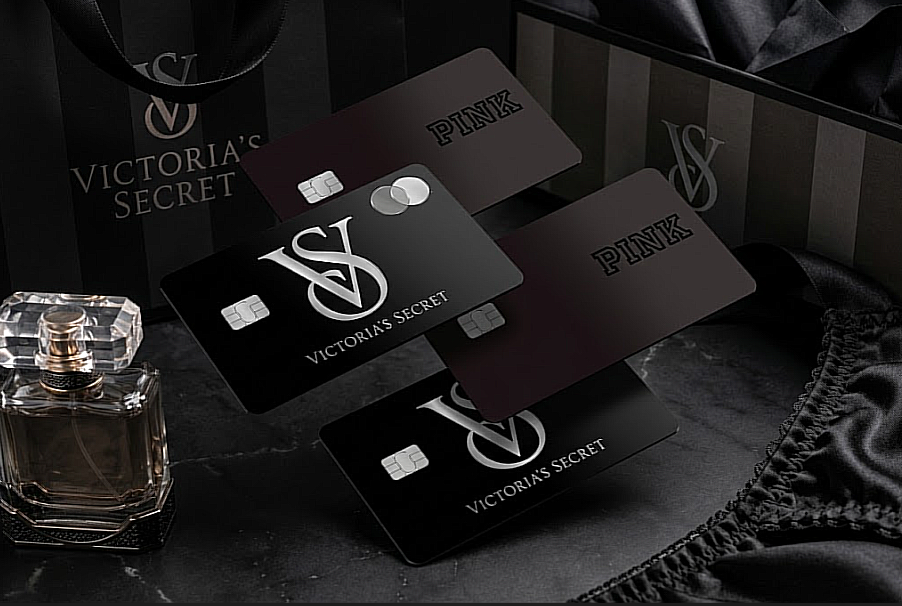
Victoria’s Secret Credit Card Review: Rewards, Interest Rates, Fees, and Is It Worth It in 2026?
The Victoria’s Secret Credit Card can look appealing if you regularly shop for lingerie, bras, sleepwear, beauty products, and clothing at Victoria’s Secret or PINK. Its rewards program offers points, shopping discounts, birthday benefits, and other perks designed to encourage repeat purchases. Eligible applicants may also qualify for a Victoria’s Secret Mastercard, which offers rewards on certain purchases outside the brand.
But there is an important question behind the attractive offers: Are the rewards worth opening a credit card with a 35.99% purchase APR?
For shoppers who pay their statements in full and frequently purchase eligible products, the card may offer useful benefits. For people who carry a balance, pay late, or apply mainly for a promotional discount, the potential costs can outweigh the rewards.
Understanding the difference between the store-only credit card and the Mastercard is equally important. Although both are connected to the Victoria’s Secret rewards program, their acceptance, earning opportunities, and fees are not identical.
This guide examines the Victoria’s Secret Credit Card in 2026, including its rewards structure, interest rates, fees, credit score considerations, application process, and potential drawbacks. It also explains who may benefit from the card, who should avoid it, and what to consider before applying.
What Is the Victoria’s Secret Credit Card?
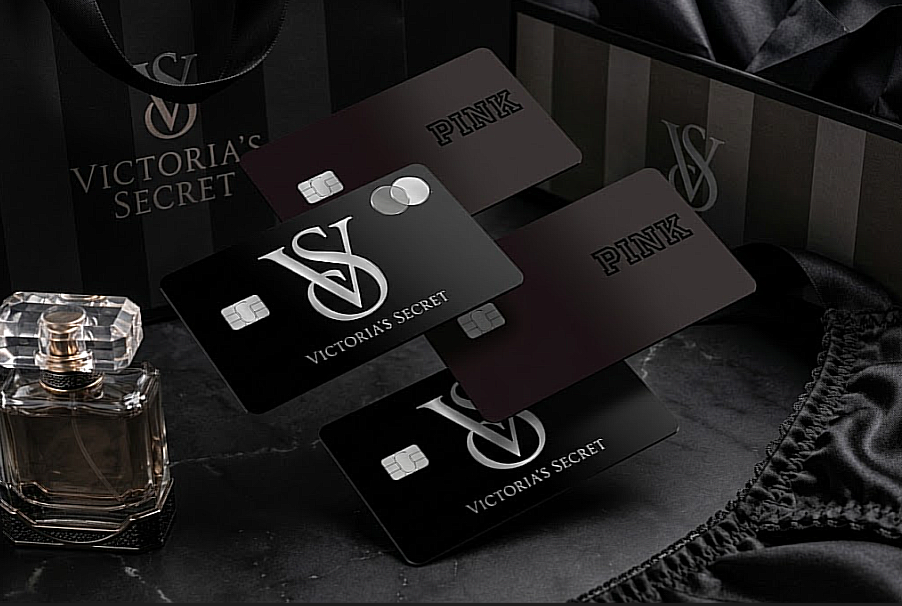
The Victoria’s Secret Credit Card is a branded consumer credit product associated with Victoria’s Secret and PINK. The account is issued by Comenity Capital Bank, and eligible cardholders participate in the VS & PINK Rewards program.
Applicants may be considered for one of two products:
- Victoria’s Secret Credit Card: A store card intended for purchases at Victoria’s Secret and PINK, subject to the account terms.
- Victoria’s Secret Mastercard Credit Card: A co-branded Mastercard that can also be used at merchants outside Victoria’s Secret and PINK.
The issuer determines which card an applicant may receive. Applying does not guarantee approval for the Mastercard, and an applicant who is not eligible for that product may instead be considered for the store-only card.
This distinction matters because the Mastercard offers additional opportunities to earn rewards on eligible purchases in categories such as dining, travel, and streaming services, as well as other purchases outside the brand.
The store-only card, by comparison, is primarily designed for shoppers who want benefits connected to Victoria’s Secret and PINK.
Both cards are tied to the retailer’s rewards ecosystem, but they should not be treated as interchangeable products. Before applying, review the current terms for the particular card you may receive.
Victoria’s Secret Credit Card Rewards in 2026
The central attraction of the Victoria’s Secret Credit Card is its rewards program. Instead of earning conventional cash back that can be deposited into a bank account, eligible spending generates points that can be redeemed for rewards associated with Victoria’s Secret and PINK.
Under the published VS & PINK Rewards structure, members earn points on qualifying purchases. Cardholders receive enhanced earning rates based on their membership tier and the type of purchase.
The program also includes additional benefits, which may depend on spending, account status, and the applicable terms.
How the points system works
The rewards program uses points rather than a straightforward cash-back balance.
According to the published program information, eligible members can earn five points per dollar on qualifying purchases. Victoria’s Secret Credit Cardmembers receive enhanced earning rates, with Silver members earning 10 points per dollar and Gold members earning 15 points per dollar on qualifying Victoria’s Secret and PINK purchases.
The published redemption rate is $10 in rewards for every 2,000 points earned, subject to program conditions.
Here is how those figures translate into potential rewards:
Eligible spending | Silver cardholder | Gold cardholder |
|---|---|---|
$100 | 1,000 points | 1,500 points |
$200 | 2,000 points | 3,000 points |
$400 | 4,000 points | 6,000 points |
$500 | 5,000 points | 7,500 points |
At the stated redemption rate, 2,000 points correspond to a $10 reward. Therefore, $200 in qualifying purchases at the Silver earning rate could generate 2,000 points, while $200 at the Gold rate could generate 3,000 points.
These calculations illustrate the published earning structure. Actual rewards depend on eligible transactions, account status, point adjustments for returns or cancellations, redemption conditions, and the program terms in effect when the points are earned.
Extra rewards on bras
Victoria’s Secret advertises an enhanced points benefit for qualifying bra purchases at Victoria’s Secret and PINK.
The published rewards structure lists 30 points per dollar for Silver cardholders on eligible bra purchases and 45 points per dollar for Gold cardholders.
This can make the card particularly attractive to customers who regularly purchase bras from the brand. However, the value still depends on how much the customer spends, whether the purchases qualify, and whether the rewards are ultimately redeemed.
A higher earning rate should not be confused with a discount at checkout. Points generally have to be accumulated and redeemed under the program's conditions.
Birthday and anniversary benefits
The program also advertises birthday and anniversary perks for eligible members.
Published benefits include a $10 birthday reward for Silver members and a $15 birthday reward for Gold members. Anniversary offers include 15% off for Silver and 20% off for Gold, subject to the applicable terms.
These benefits may add value for regular shoppers, especially those who already plan to purchase eligible products.
However, shoppers should check the current offer details, including redemption restrictions, eligibility, expiration dates, and any minimum purchase requirements. A reward that expires unused has no practical financial value.
Free shipping and other perks
Additional benefits advertised for eligible cardholders include free shipping on qualifying orders, periodic double-points opportunities, and certain tier-specific benefits.
The published program lists free shipping on orders of $50 or more for Silver members and $25 or more for Gold members. Other offers may be available under the current program terms.
These perks can be useful for customers who frequently order online. Their value is less significant for someone who shops only occasionally or usually purchases products in stores.
The best way to evaluate the rewards is to estimate how much you would realistically redeem in a typical year—not how many perks appear on the promotional page.
What Is the Victoria’s Secret Mastercard?
The Victoria’s Secret Mastercard extends the rewards proposition beyond purchases at the retailer.
Eligible cardholders can use the Mastercard at participating merchants that accept Mastercard, subject to the account agreement and transaction restrictions. The card offers additional rewards on certain spending categories outside Victoria’s Secret and PINK.
The published program lists four points per dollar for eligible dining, travel, and streaming-service purchases and two points per dollar on other eligible purchases outside Victoria’s Secret and PINK.
The card also advertises a bonus reward for spending $500 or more outside the brand within 90 days of opening an account. The current offer lists a $30 reward, but applicants should verify the complete promotional terms, eligibility requirements, and qualifying transactions before relying on that benefit.
Why the Mastercard may be more versatile
The store-only card is most useful to people who shop regularly at Victoria’s Secret or PINK. The Mastercard offers a broader earning opportunity because it can be used for eligible purchases elsewhere.
For example, a cardholder might earn points on qualifying dining or travel expenses and use the resulting rewards toward future purchases at Victoria’s Secret or PINK.
However, rewards earned outside the brand do not necessarily function like unrestricted cash back. Their value depends on the reward certificate rules and where the rewards can be redeemed.
This is a major difference between a retail rewards card and a general-purpose cash-back card. If your priority is money you can use for rent, groceries, savings, or any other expense, a store-linked reward may be less useful than cash back deposited into an account.
The Biggest Concern: A 35.99% Purchase APR
The most important consideration for prospective applicants is the card’s interest rate.
The October 2026 card agreement lists a 35.99% annual percentage rate (APR) for purchases for both the Victoria’s Secret Credit Card and the Victoria’s Secret Mastercard. The agreement also lists a penalty APR of up to 39.99%, which may apply after a late payment under the agreement’s terms.
These are the published rates in the agreement retrieved for this review. Credit terms can change, so applicants should check the latest disclosures before applying.
An APR of 35.99% is high. It means that carrying a balance can become expensive, particularly when a shopper makes additional purchases before paying off earlier spending.
How interest can erase the rewards
Imagine a cardholder spends $200 on eligible purchases and earns enough points for a $10 reward at the stated Silver earning rate.
If the shopper pays the statement balance in full by the due date and qualifies for the purchase grace period, they can generally avoid interest on those purchases.
But if the shopper carries a balance, interest may quickly exceed the value of the reward.
As a simplified illustration, a $200 balance subject to a 35.99% APR could accrue approximately $6 in interest over a month if the balance remained unchanged for that period. Actual interest depends on the balance calculation method, transaction dates, payments, billing cycle, and the terms of the account.
That illustrative amount would consume a substantial portion of a $10 reward. Carrying the balance for longer could make the interest cost greater than the rewards earned.
The precise calculation varies, but the underlying lesson is simple: earning points does not make borrowing inexpensive.
Why minimum payments can be misleading
Credit card statements generally show a minimum payment, which is the amount required to keep the account from becoming past due when paid by the deadline.
Paying only the minimum can leave a large balance outstanding. Interest may continue accumulating, and the balance can take much longer to repay than expected.
A shopper who buys $300 worth of products may feel comfortable because the minimum payment looks manageable. Yet the remaining balance may become costly at a high APR.
Before making a purchase, consider whether you can pay the entire statement balance by the due date. If you cannot, calculate the likely interest cost rather than relying on the rewards estimate.
Does the Victoria’s Secret Credit Card Have an Annual Fee?
The published card agreement lists no annual fee for either the Victoria’s Secret Credit Card or the Victoria’s Secret Mastercard.
That is a useful feature, particularly for shoppers who want access to rewards without paying a yearly account fee.
However, no annual fee does not mean the card is entirely free to use. Other charges and costs may apply.
Paper statement fee
The October 2026 agreement lists a paper statement fee of $2.99 for each billing period in which the balance exceeds $3.50 and a paper statement is mailed. The agreement says the fee can be avoided by enrolling in paperless statements by the specified deadline.
If charged every month for a full year, the fee could total $35.88.
Cardholders who prefer digital statements can potentially avoid this charge by meeting the agreement’s paperless enrollment requirements. Check the current terms and account settings to confirm how the fee applies to your account.
Late payment fees
The agreement lists a late payment fee of up to $41. The stated amount is $30 if no late fee was charged during the previous six billing periods and $41 otherwise, subject to applicable legal limits.
Late fees can reduce or eliminate the financial benefit of rewards. Repeated late payments may also create additional credit and account-management problems.
Setting up payment reminders or automatic payments can help, but automatic payments should be monitored to ensure the required funds are available.
Other fees on the Mastercard
The Mastercard agreement also lists certain transaction fees, including a foreign transaction fee of 3% of each transaction in U.S. dollars. Balance transfers and cash advances have separate fees under the agreement.
The store-only card does not have the same balance-transfer and cash-advance options, so these fee categories are not identical between the two products.
The practical takeaway is to read the fee table for the exact card you receive. Do not assume that every fee associated with the Mastercard also applies to the store card, or that a store card has every feature of a general-purpose credit card.
Can the Victoria’s Secret Credit Card Help Build Credit?
A Victoria’s Secret Credit Card may help a consumer establish or maintain credit history when the account is reported to credit bureaus and managed responsibly. However, opening the account does not guarantee a higher credit score.
Several factors can influence the result.
Payment history
Paying on time is an important part of maintaining a positive credit history. Missed payments can have negative consequences, especially if an account becomes seriously delinquent and the information is reported.
A cardholder should make at least the required payment by the due date and, where possible, pay the statement balance in full.
Credit utilization
Credit utilization describes how much of a revolving credit limit is being used. For example, a $300 balance on a $1,000 credit limit represents 30% utilization on that account.
A high balance relative to the credit limit can affect credit scores under many scoring models. Keeping balances low may help, although the ideal approach depends on the individual's broader credit profile.
Account applications and inquiries
Applying for a credit card can involve a credit inquiry. Depending on the application process and the type of inquiry, this may affect a credit score.
Consumers should avoid applying for multiple accounts in a short period simply to collect promotional offers without considering the potential impact and their ability to manage the accounts.
Reporting is not the same as score improvement
Before applying, consumers should review the issuer's current disclosures about credit reporting. Reporting practices and credit-scoring treatment can vary.
A card can be useful as part of a broader credit-building strategy, but a person does not need a retail credit card merely to build credit. A suitable general-purpose credit card or another credit product may better match their financial needs.
What Credit Score Do You Need to Qualify?
There is no single publicly guaranteed credit score that ensures approval for the Victoria’s Secret Credit Card or Mastercard.
The issuer may consider credit history, income information, existing debts, and other factors when evaluating an application. The particular card offered can also depend on the issuer's underwriting decision.
An applicant should not assume that an advertised discount means approval is certain.
If you are considering applying, check the issuer's current application disclosures and understand whether the process may involve a credit inquiry. If you are already rebuilding credit or have several recent applications, it may be worth considering whether another account is necessary.
Approval should never be the only factor in deciding whether to open the card. The more important question is whether the account's rewards, terms, and repayment requirements suit your spending habits.
How to Apply for the Victoria’s Secret Credit Card
The application is available through Victoria’s Secret's official U.S. credit card page.
Applicants should review the current offer and the terms for the card they may receive before submitting their information.
The process generally involves these steps:
- Visit the official Victoria’s Secret Credit Card page.
- Review the introductory offer, reward conditions, interest rates, and fees.
- Complete the application using accurate information.
- Review the credit and account disclosures before accepting the terms.
- Wait for the issuer's decision regarding the card for which you qualify.
The introductory offer currently advertised on the official page includes $25 off a first purchase when the relevant conditions are met. The exact eligibility requirements, minimum purchase rules, and delivery of the offer should be checked before applying.
A promotional discount should be treated as a one-time benefit, not as a reason to overlook the ongoing cost of borrowing.
Is the Victoria’s Secret Credit Card Worth It?
The answer depends on how often you shop at the brand, how you manage credit, and which benefits you can realistically use.
It may be worth considering if you shop frequently
The card may appeal to people who already purchase qualifying items at Victoria’s Secret and PINK several times a year.
If you pay the statement balance in full, avoid unnecessary fees, and regularly redeem the rewards, the card may offer worthwhile benefits on spending you would have made anyway.
The Mastercard may be more appealing to shoppers who also want to earn points on qualifying purchases outside the brand.
It may not be worth it if you rarely shop there
Someone who visits Victoria’s Secret only once or twice a year may struggle to use enough rewards to justify opening another credit account.
The points are primarily useful for purchases within the brand's rewards ecosystem. If you prefer flexible cash back or rewards that can be redeemed across many categories, a general-purpose card may be more appropriate.
It is a poor fit if you regularly carry a balance
The 35.99% purchase APR listed in the October 2026 agreement makes carrying a balance potentially expensive.
If you tend to pay only the minimum, miss due dates, or use credit to cover expenses you cannot afford, the card's rewards may be overwhelmed by interest and fees.
In that situation, avoiding a new credit obligation is generally more important than earning shopping points.
It may be less attractive if you want unrestricted cash back
The rewards are linked to eligible purchases and the program's redemption rules. They are not the same as cash deposited into your bank account.
A shopper who wants to save for emergencies, pay bills, or use rewards for unrelated expenses may prefer a different card.
Victoria’s Secret Credit Card vs. a General Cash-Back Card
A retail card and a general-purpose cash-back card serve different priorities.
Feature | Victoria’s Secret card | General cash-back card |
|---|---|---|
Main reward focus | Victoria’s Secret and PINK purchases | Eligible spending across broader categories |
Reward redemption | Brand-linked rewards, subject to terms | Often statement credits, deposits, or other options |
Best potential user | Frequent Victoria’s Secret shoppers | Consumers seeking more flexible rewards |
Interest cost | Purchase APR listed at 35.99% in the October 2026 agreement | Depends on the particular card |
Annual fee | None listed in the current agreement | Depends on the particular card |
Use outside the brand | Store card is restricted; Mastercard has broader acceptance | Typically accepted across a wider range of merchants |
This is a general comparison rather than a claim that every cash-back card is better. Some general-purpose cards also have high interest rates, annual fees, or restrictive reward conditions.
The correct comparison involves the complete terms of each card, the spending categories you actually use, and whether you can pay balances in full.
Seven Things to Check Before Applying
Before opening the account, take a few minutes to review these points.
- The purchase APR: Confirm the current rate and understand how interest applies if you carry a balance.
- The specific card: Determine whether you are applying for the store-only card or the Mastercard.
- The rewards rules: Check earning rates, redemption values, qualifying purchases, and expiration conditions.
- The promotional offer: Confirm the minimum purchase, eligibility, and any deadlines.
- The fees: Review late fees, paper statement charges, and any transaction fees applicable to the card.
- Credit reporting: Understand whether and how the issuer reports the account and payments.
- Your repayment plan: Make sure you can afford your planned purchases without depending on the minimum payment.
These checks help you separate the appeal of a promotional offer from the long-term obligations of a credit account.
Conclusions
The Victoria’s Secret Credit Card offers a focused rewards program for customers who regularly shop at Victoria’s Secret and PINK. Its points system, enhanced rewards on eligible bra purchases, birthday benefits, anniversary discounts, and shipping perks can provide value to loyal shoppers.
The Mastercard version adds more flexibility by allowing eligible purchases outside the brand and offering rewards in selected spending categories.
However, the card's value depends heavily on responsible repayment. The October 2026 agreement lists a 35.99% purchase APR, a rate that can quickly undermine the benefits of earning shopping rewards when a balance is carried. Late fees and paper statement charges can also reduce the value of the account.
For a shopper who already spends regularly at Victoria’s Secret and pays every statement in full, the card may be worth considering. For someone who rarely shops there, wants unrestricted cash back, or often carries credit card debt, a different option may make more financial sense.
Ultimately, the best credit card is not necessarily the one offering the most attractive promotional discount. It is the one whose rewards fit your normal spending, whose costs you understand, and whose balance you can manage without putting your financial stability at risk.
For more consumer finance and money-management insights, readers can also explore Finiuo, Jurnza, and Dryzen Royal.